Friday, May 15, 2026 - 20:57:48
Loading weather…
Your trusted source for daily news, politics, business, innovation and culture from across the continent.
Business & Innovation




Features & Opinion
Arts, Culture & Society

The forest smells different after rain. Standing on the edge of the Tsitsikamma, with ancient yellowwood trees dripping quietly around you ...

Madagascar has scheduled presidential elections for October 2027 as part of a broader political transition following last year’s unrest and leadership ...
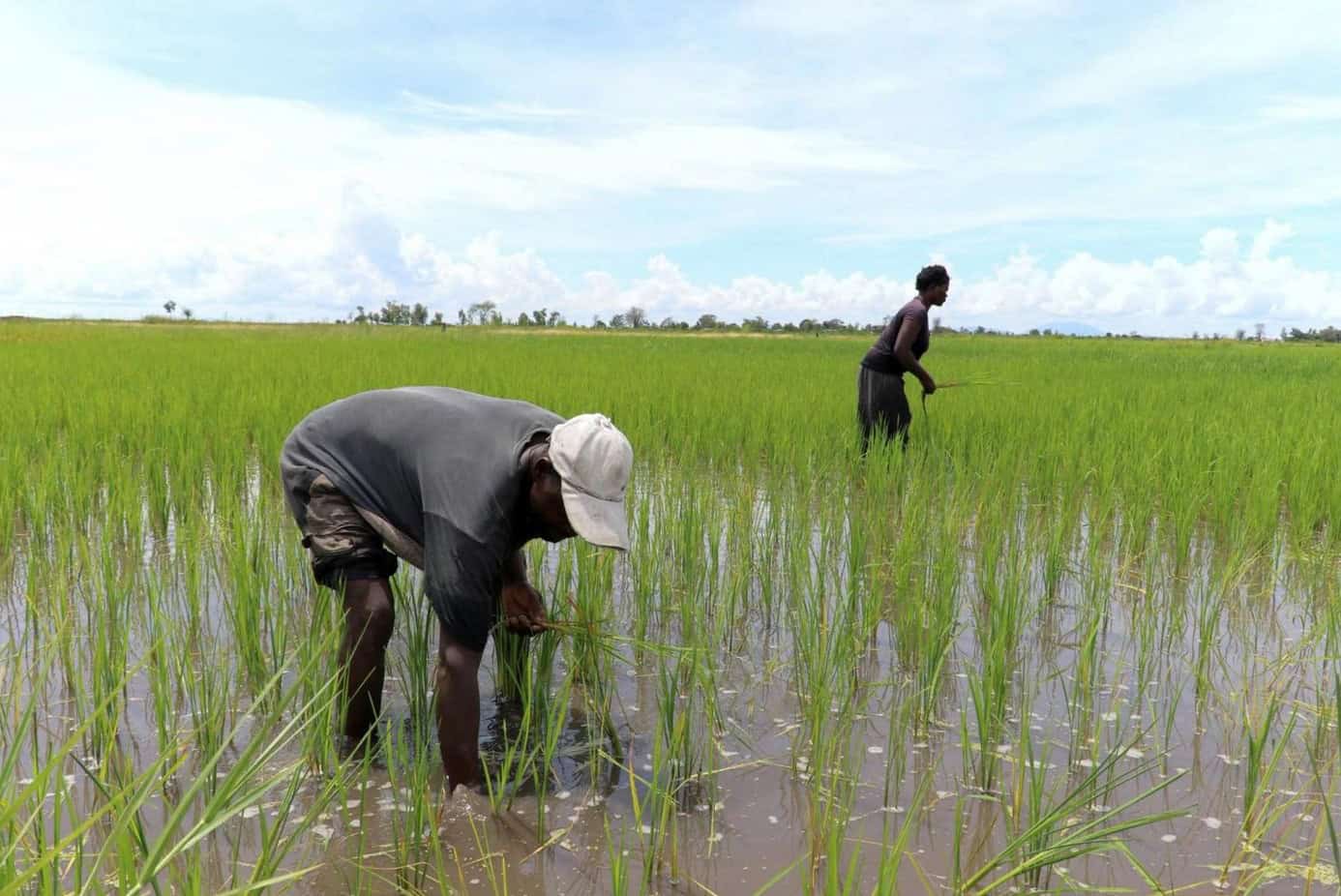
A new digital atlas is providing critical data on Africa’s wetlands to support conservation efforts and strengthen climate resilience across the ...

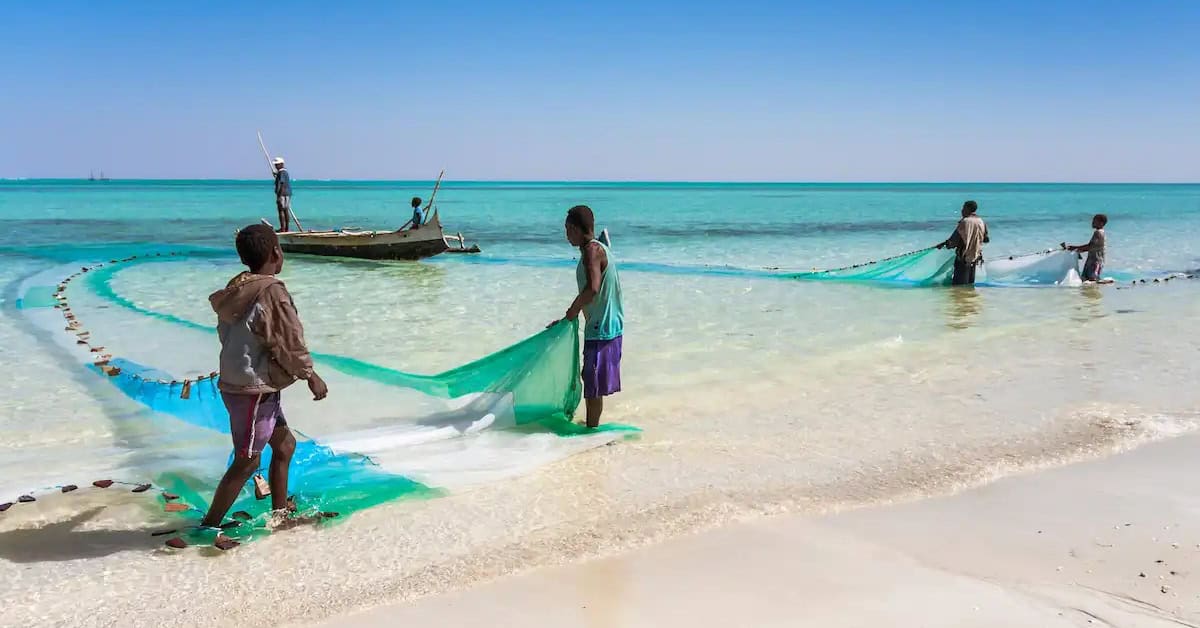
The Namibia Ocean Cluster, supported by the World Economic Forum’s Ocean Action Agenda, has been created to bring together the Namibian seafood sector and allied stakeholders, with a mission of maximizing the utilization of all...
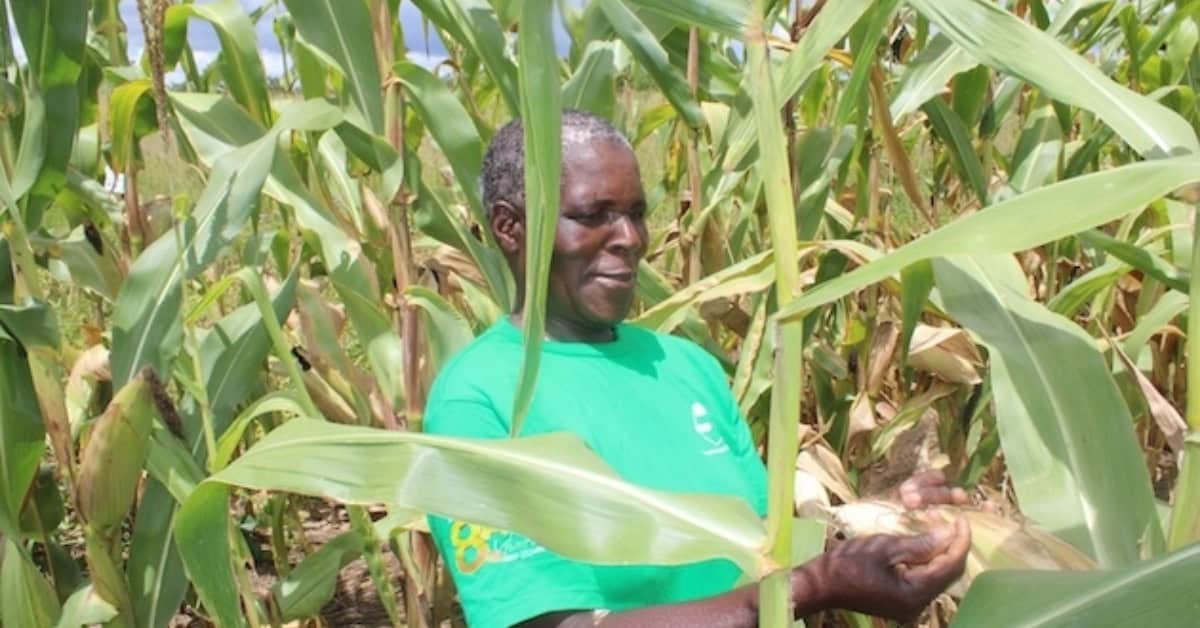
Agriculture sustains millions of people in Zimbabwe, serving as a vital source of both food and income. But climate-related pressures affecting land, crops, rainfall patterns, and increasing pest outbreaks are threatening smallholder farmers’ harvests, leaving...
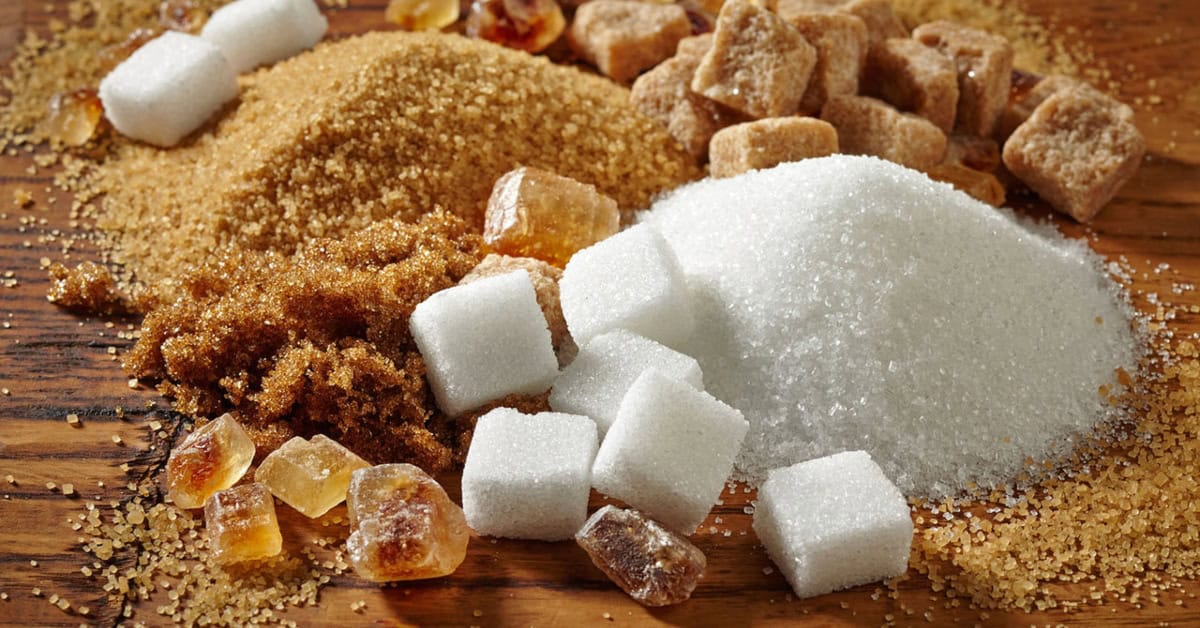
By Robert Gumede, Vision Sugar Group Let me be direct. When most people talk about the Tongaat Hulett crisis, they reach for the language of finance. They talk about creditors, claims, business rescue practitioners, and...
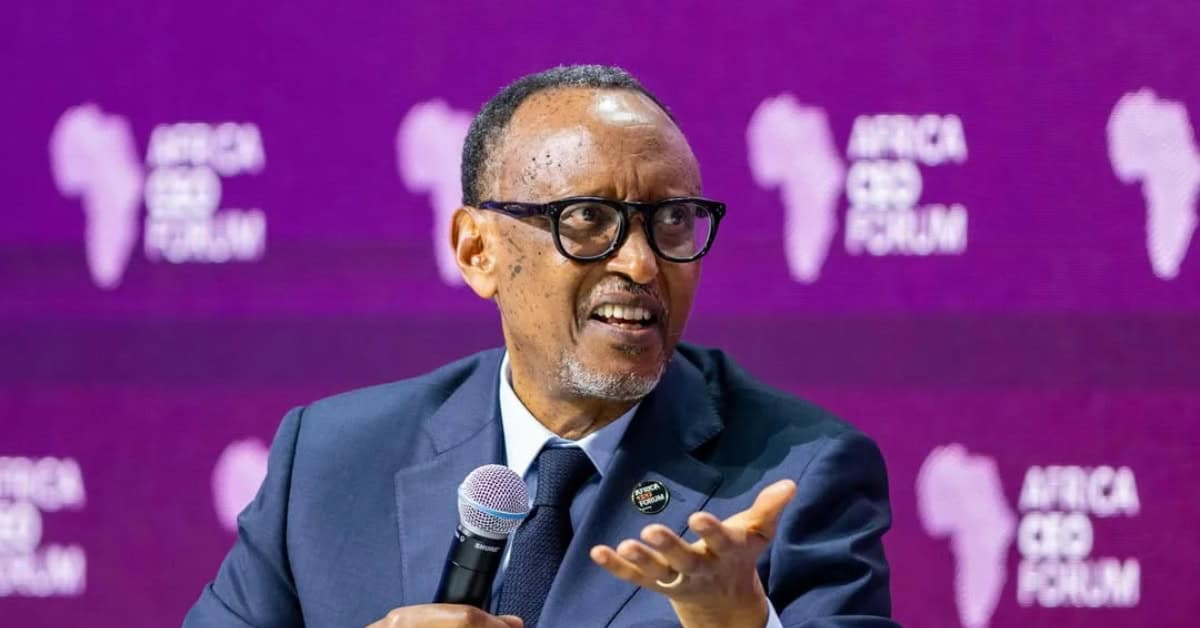
Rwanda’s President Paul Kagame has urged African countries to use their vast natural and human resources to strengthen economic independence, warning against allowing global powers to exploit the continent. This story is written and edited...
By Oti Egwu Global trade is becoming harder to navigate. Supply chains remain under pressure, capital is shifting, and countries are reassessing how and where they engage. In this environment, growth is less about access...

Uganda’s President Yoweri Museveni has been sworn in for a record seventh term in a ceremony attended by dignitaries from across ...
Happening
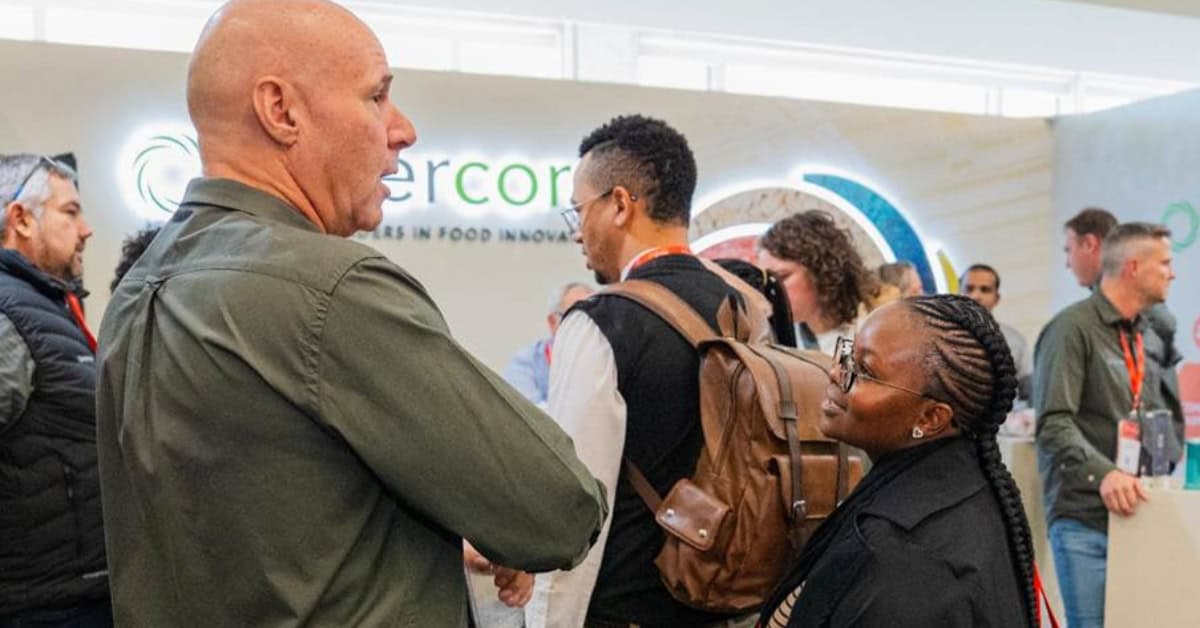
African food and beverage markets face tough economic times and growing consumer needs, with South African private-label products jumping 7.5% to ...
Headlines
Marketplace
Latest News