Sierra Leone
Video Source: Youtube
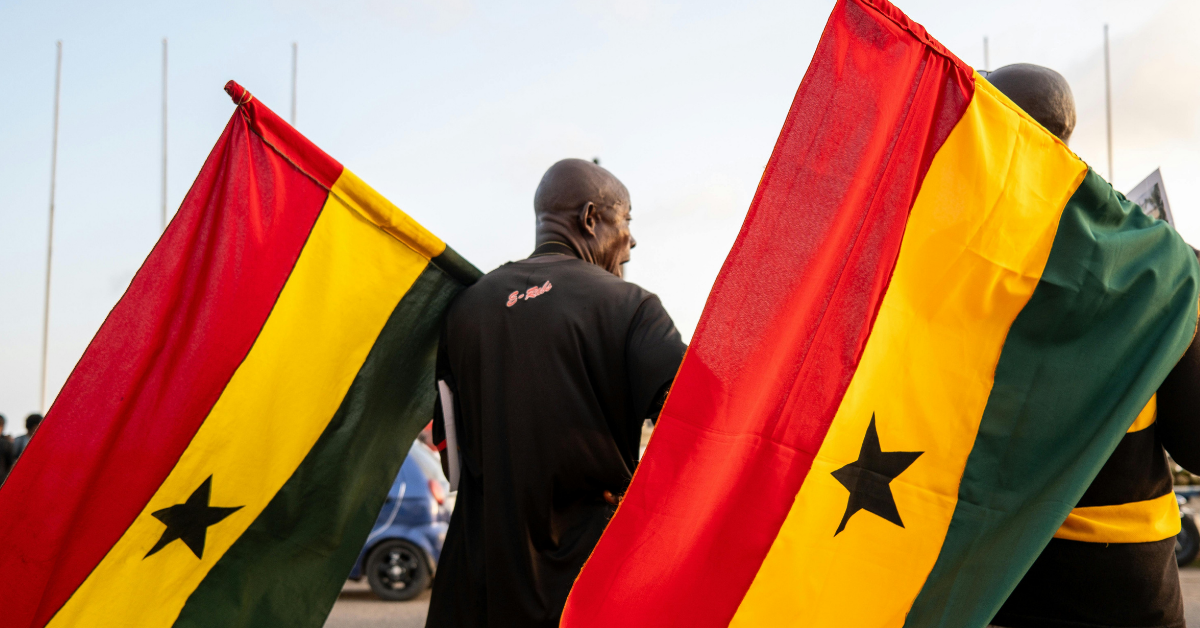
Flag Source: CIA World Factbook
Right Now
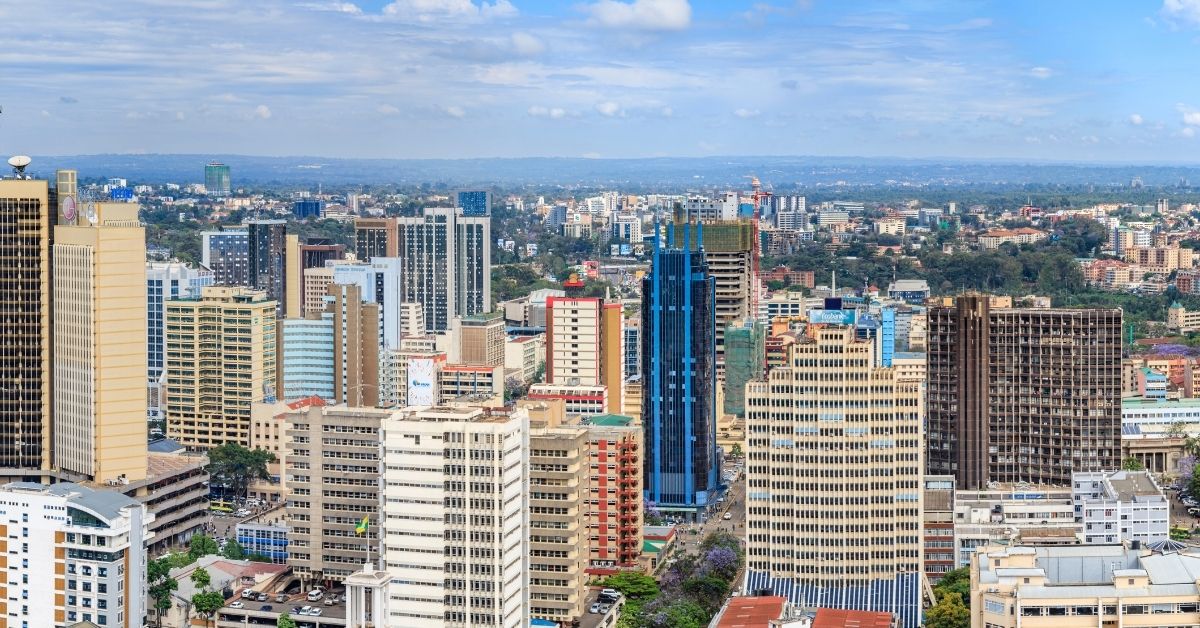
The small West African country of Sierra Leone is brimming with natural beauty and history. From the beginning of the post-slavery era, Freetown, the capital and largest city of Sierra Leone, has served as a place for free people to establish a new life, and the country has developed into a prosperous and friendly place to visit. Sierra Leone's diverse geography—from Atlantic beaches in the southwest to lowland plains in the country's center—makes for an excellent weeklong trip. We hope you get the chance to come out and explore it for yourself. Take a hike up Mount Bintumani for the views of the country - if you can make it to the top, you won't be disappointed!
The Top 10: What to Do in Sierra Leone
1. Mount Bintumani: This site is Sierra Leone’s highest peak and is situated in a beautiful reserve. The Loma Mountains Forest Reserve is an amazing place to hike and view the various forms of wildlife, including crocodiles, baboons, and porcupines. If you have the energy and time, try climbing Mount Bintumani itself. You’ll need a guide—ask your hotel or touring agency for their advice—but a trip to the summit will be well worth the effort, especially for the remarkable views of the country.
2. Outamba-Kilimi National Park: Established as a national park in 1986, the Outamba-Kilimi National Park is about 35 kilometers outside of Kabala and is full of monkeys, hippos, antelope, and many more animals. While the park is not always easily accessible, the small number of tourists there will make your visit an intimate one. Hire a guide in one of the bigger cities (make sure your guide is legitimate), and enjoy such activities as elephant tracking, canoeing, and bird watching. There are rudimentary camping facilities that allow for an overnight stay in the park. Check with your guide to see what he recommends.
3. Banana Islands: The Banana Islands are made up of Dublin, Ricketts, and Mes-Meheux Islands, respectively. If you love fishing, snorkeling, beaches, and rain forests, take a trip to this site. Located just southwest of the Freetown Peninsula, the islands are accessible only by boats leaving from Kent Beach. They have a sad history, as they used to be stations in the slave trade; you can still see shipwrecks in the shallow waters around the islands, and the remains of slave forts are scattered around. Today the islands are a beautiful and relaxing place to explore and go boating. If you want to spend the night, you may stay at the guest house on Dublin Island.
4. Bunce Island: Bunce Island is the site of the largest British slave castle on the Rice Coast of West Africa. Located about 30 kilometers up the mouth of the Sierra Leone River, the island is now a national historic site, and it’s an amazing and humbling place to explore. You can visit the old slave prison, dormitories, factory houses, and watchtowers. The remains on Bunce Island are chilling to see, but they provide an important introduction to the history of the slave trade.
5. National Cotton Tree: Standing in the center of Freetown, the Cotton Tree is one of Sierra Leon’s most symbolic sites. Rising up above the buildings, the tree is estimated to more than 200 years old and is said to have offered shade to newly freed slaves. While there is not much to do at the tree (aside from rest and take a picture of it), we recommend seeing it because of its cultural significance and its presence in many works of art that originate in Sierra Leone.
6. King’s Gate: Another symbolic site in Freetown is the King’s Gate, a large stone structure inscribed with the statement “Any slave who passes through this gate is declared a free man.” It is said that as soon as former slaves passed through the gate, they became free people. Like that of the Cotton Tree, the national significance of the King’s Gate makes it a worthwhile stop during your trip.
7. Tiwai Island Sanctuary: We highly recommend taking a night or two to camp out on this astonishing rain forest island. Tiwai Island Sanctuary sits in the Moa River and is teeming with animals like hippos, turtles, butterflies, and various primates. Take a river tour, swim in the clear water, or go on a day hike. The visitor center has canopied tents where you can stay the night, as well as dining and showering facilities.
8. Go Fishing: Fishing culture is huge in Sierra Leone. If you are a fishing enthusiast, or if you’re just interested in finding out how locals go about making their catch, we recommend asking around at the beaches; you will be surprised at how many fishermen will be happy to take you out with them. Be cautious: fishing can be a dangerous sport if not conducted carefully. Finding a trustworthy fisherman to let you hop on a boat can be an exciting adventure, though, especially if you know how to swim.
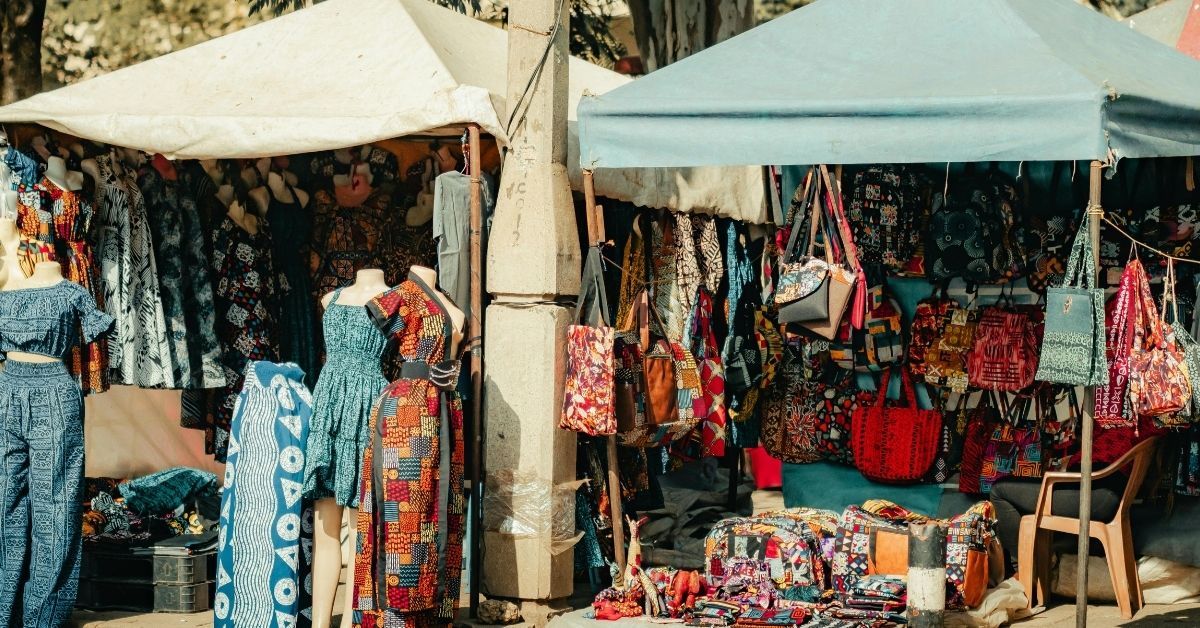
9. Tembo Fishing Village: Take a trip to Tembo and see a fully functional fishing village. You can visit markets where fresh shrimp and lobster are sold, as well as many different types of crafts (which make for excellent souvenirs). Currently Tembo furnishes Freetown with most of its seafood. Come check out the fishermen as they leave early in the morning and return throughout the day with their bounty.
10. River Number 2: As one of the most popular beaches along the Freetown Peninsula, River Number 2 is a great place to kick back and relax (and, in our opinion, has a very cool name, too). You can hire a local guide to take you on a boat ride up the river; if you are lucky you will see some crocodiles and monkeys. Beach resorts are nearby, for those who want stay overnight. We recommend visiting River Number 2 toward the end of your visit, when you will welcome a chance to rest your legs and relax.
When to Go
Sierra Leone is very hot and humid throughout the year, but the coastal areas stay relatively cool. The rainy season gets to be very wet, however, so we recommend planning your visit between November and April, when it will be hot and dry.