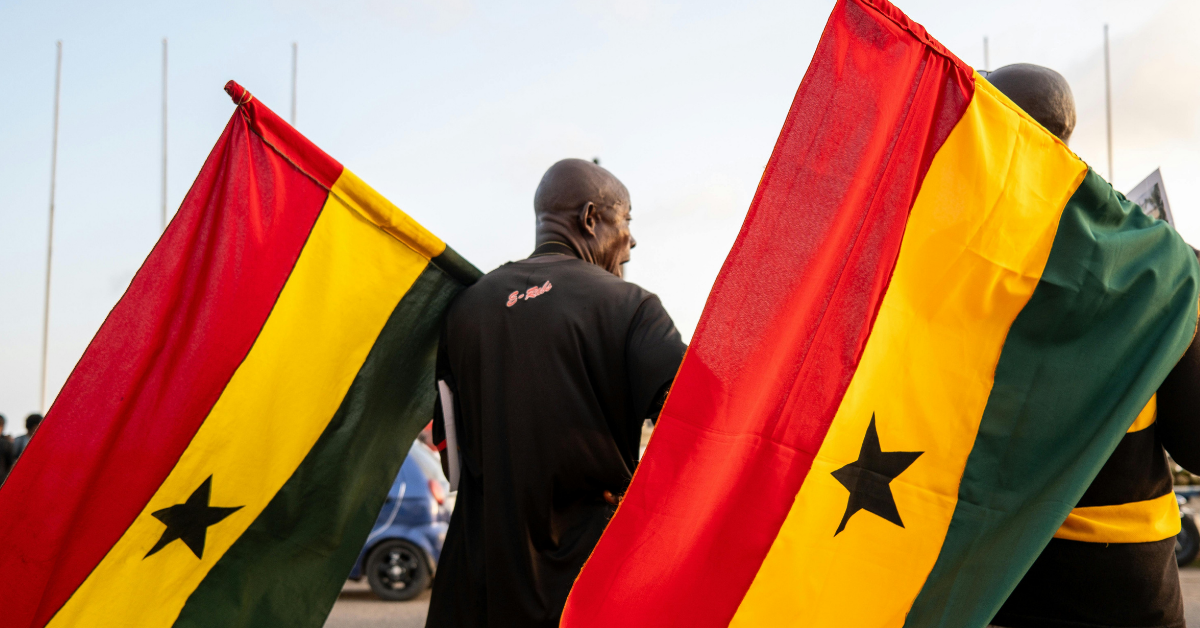
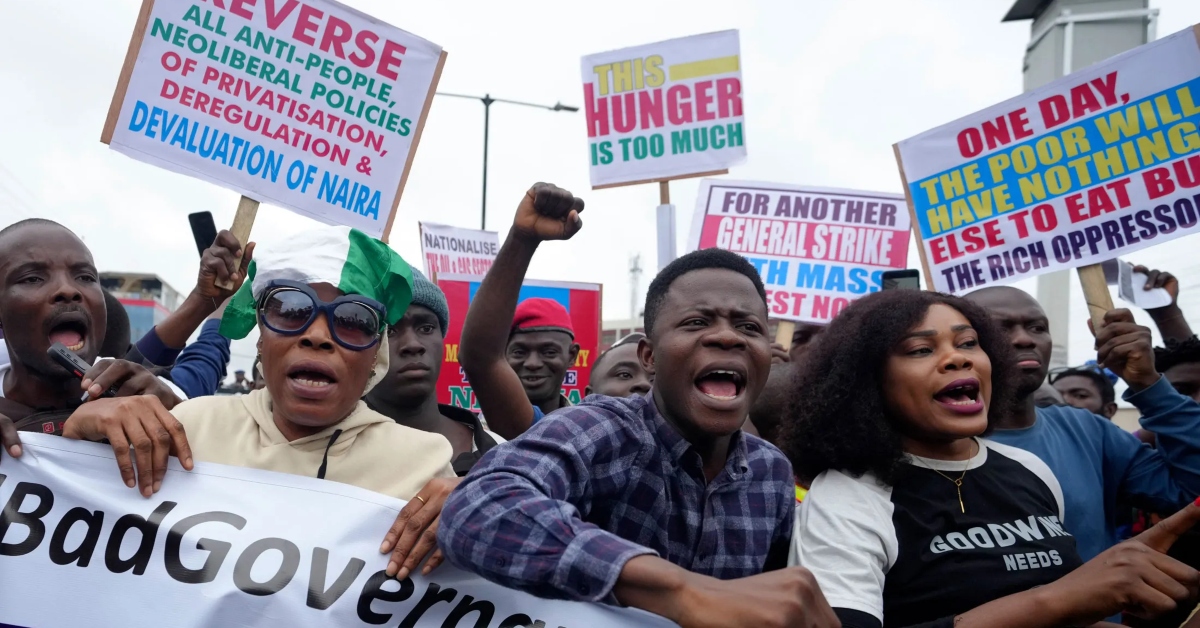
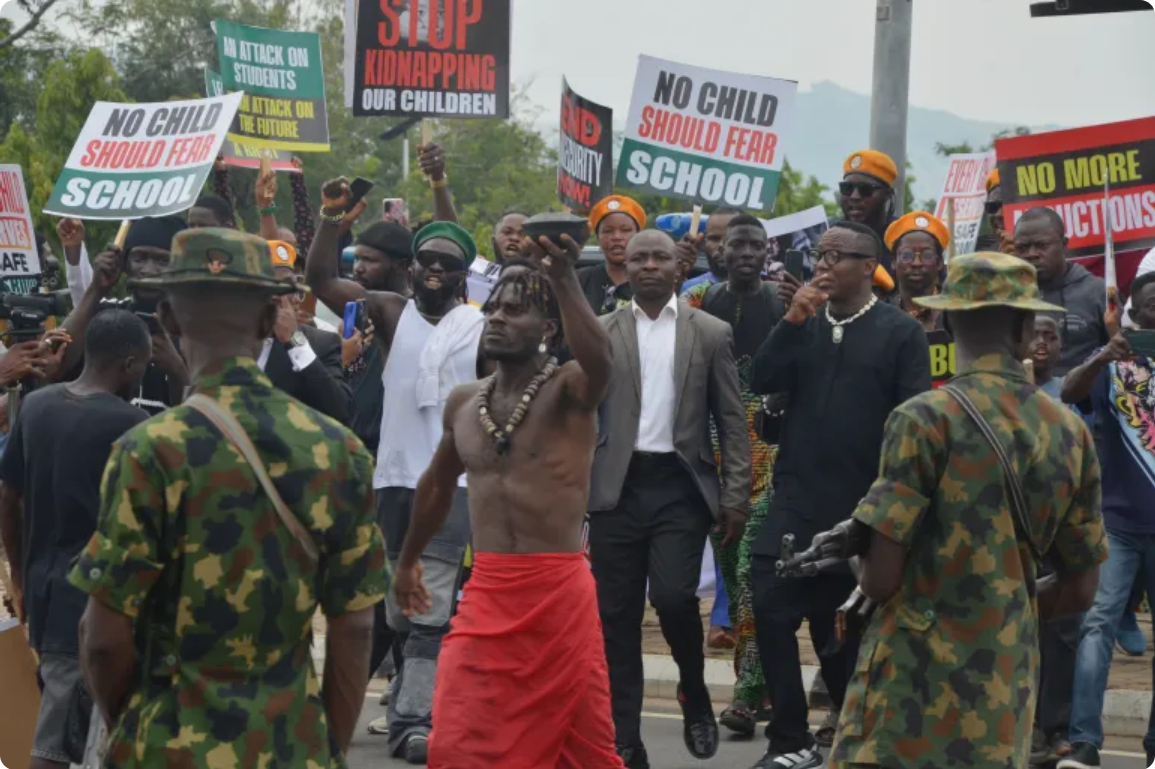
On Saturday, Senegal’s opposition parties will mark the one-month anniversary of the most significant civil unrest Senegal has seen in a generation with another round of protests. President Abdoulaye Wade has banned protests in most of Dakar’s public areas, opening the door for police to enforce the new law. Another round of potentially violent protests in a small nation best known for its peanuts, poetry, and above all, stability will rattle West Africa watchers. Indeed, the current unrest poses a significant threat to Senegal’s long-praised stability and is symptomatic of pervasive disconnects within the country’s political system. Paradoxically, today’s predicament is the result of fifty years of national progress in democratizing, developing, and creating a national identity. It is now up to Senegal’s elite to join with its people and consolidate this progress.
The initial June 23 protests surprised those accustomed to relying on Senegal’s stability in an increasingly rough and tumble neighborhood. Senegal’s “old man,” as he is known, the 85-year old Wade, prompted the protests by proposing constitutional reforms to both ease his own reelection and install his son, Karim, as vice president. Confronted with massive protests in the capital city and unrest spreading into the regional capitals, Wade withdrew his proposal. He then avoided the public eye for a few weeks—a trick the Franco-weary opposition accused Wade of copying from Charles de Gaulle—resurfacing only to announce his intention to run for a constitutionally outlawed third term in a speech last week.
Despite the recent turn of events, over their fifty years since independence from France, Senegal’s people have increasingly come to expect a democratic government. Wade in fact made his name as a champion of the loyal opposition. He became president after ousting his long-serving predecessor in a free and fair election, marking a peaceful transfer of power and Senegal’s first change between parties. In addition, Senegal has a vibrant and powerful civil society, benefiting from relative religious and ethnic harmony, a history of powerful trade unions, well-organized community and religious groups.
Alongside rising expectations of democracy, rapid urbanization and the consolidation of a cohesive national identity have isolated the elites from the people. Senegal’s people are moving into cities at a rate of about three percent a year. Already, over 40 percent of the populations lives in cities. There, people from various ethnic groups and backgrounds mix daily based on socioeconomic status, rather than heritage. In cities, Senegalese people become less Peul or Diola or Wolof than they are Senegalese. Wade, meanwhile, has a French wife and his favorite son, Karim, hardly speaks the country’s most widely used language, Wolof. As national identity consolidates, elites like Wade increasingly look as French as they do Senegalese. Just this week Wade praised village leaders as “pillars of Senegal’s stability,” appealing to the rural populations, which he hopes will be the base of his support in the 2012 elections.
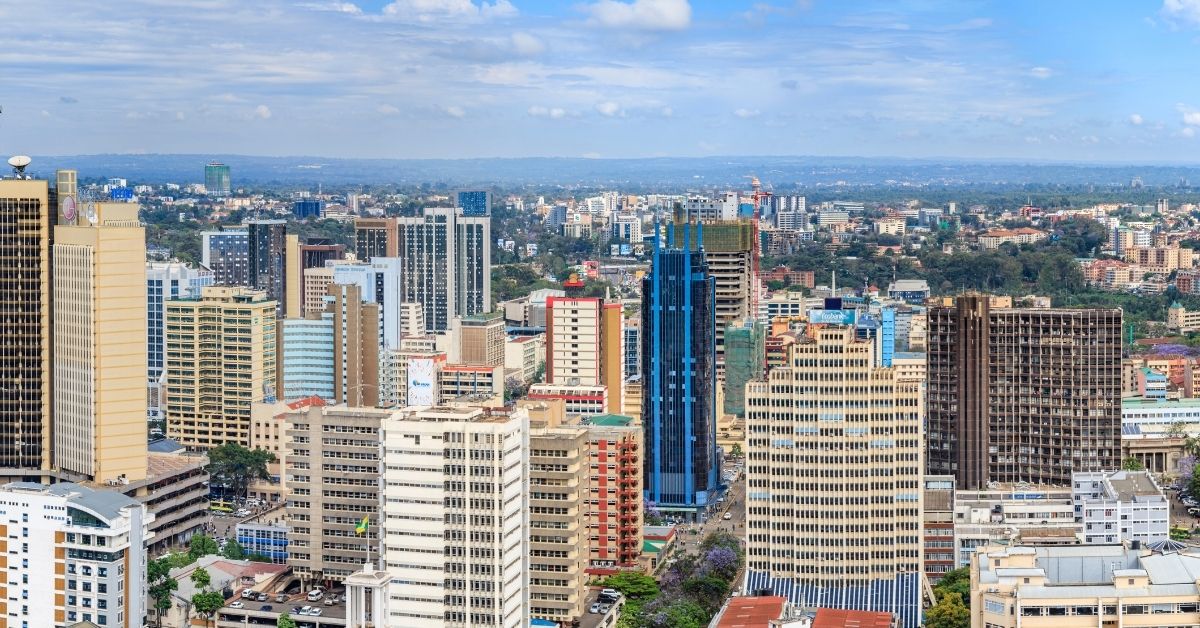
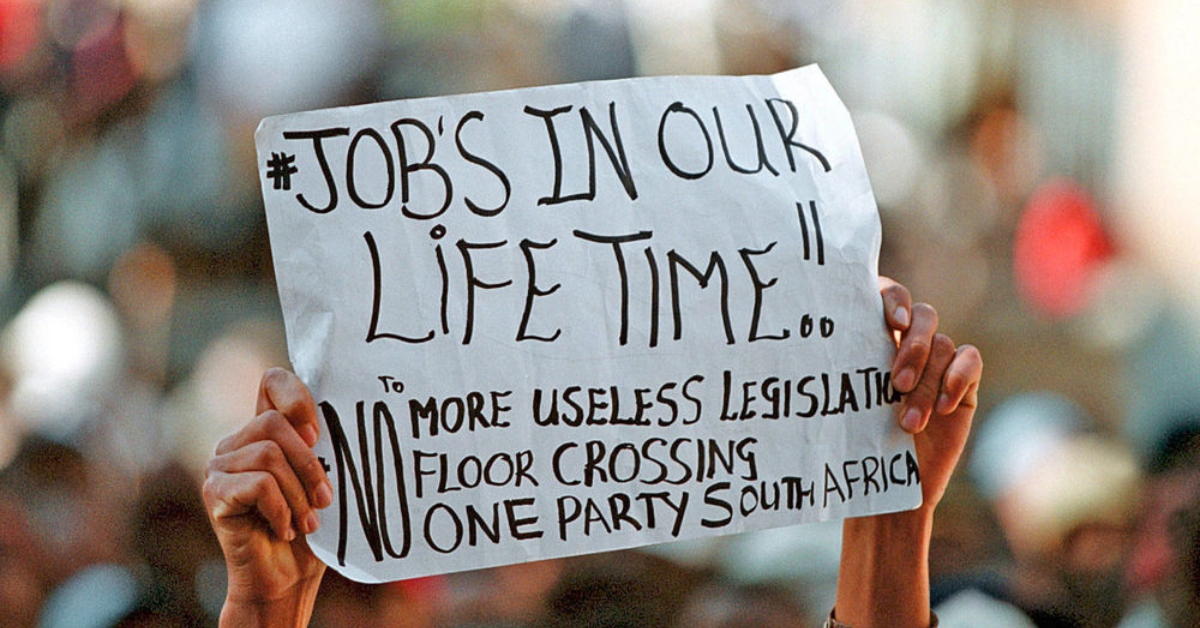
This urban public is well aware that it elected Wade and his government, and, as in any good democracy, it is making demands of the government, monitoring its promises, and tracking its failures. Back in his 2000 campaign, Wade promised to resolve the longstanding separatist conflict in the Casamance region in 100 days and to create new jobs for the country’s youth. Wade has seen his share of successes, most notably in attracting investment to modernize Dakar. However, the fight in Casamanace drags on. Senegal’s schools are overwhelmed by eager students. The unemployment rate hovers at around 50 percent, and, as in Europe and America, many well-educated young people count themselves among the unemployed. Most significant to the current frustration in Dakar, the country’s power grid is woefully unprepared to accommodate all of its new urban customers hooking themselves up to a modern life.
The conflict we will see play out in the streets of Dakar on Saturday will be unsettling. It may even jeopardize American interests in the region. However, the silver lining remains. Senegal’s enormous strides in creating a culture of democracy, government accountability, and national unity are in large part fueling the present discontent. The Senegalese people have brought their country a long way since 1960. The question for Saturday is can they force their government and elites to keep up?
Kate Collins can be reached by e-mail at kcollins@cfr.org.