The small West African country of Sierra Leone is brimming with natural beauty and history. From the beginning of the post-slavery era, Freetown, the capital and largest city of Sierra Leone, has served as a place for free people to establish a new life, and the country has developed into a prosperous and friendly place to visit. Sierra Leone's diverse geography—from Atlantic beaches in the southwest to lowland plains in the country's center—makes for an excellent weeklong trip. We hope you get the chance to come out and explore it for yourself. Take a hike up Mount Bintumani for the views of the country - if you can make it to the top, you won't be disappointed!
1. Mount Bintumani: This site is Sierra Leone’s highest peak and is situated in a beautiful reserve. The Loma Mountains Forest Reserve is an amazing place to hike and view the various forms of wildlife, including crocodiles, baboons, and porcupines. If you have the energy and time, try climbing Mount Bintumani itself. You’ll need a guide—ask your hotel or touring agency for their advice—but a trip to the summit will be well worth the effort, especially for the remarkable views of the country.
2. Outamba-Kilimi National Park: Established as a national park in 1986, the Outamba-Kilimi National Park is about 35 kilometers outside of Kabala and is full of monkeys, hippos, antelope, and many more animals. While the park is not always easily accessible, the small number of tourists there will make your visit an intimate one. Hire a guide in one of the bigger cities (make sure your guide is legitimate), and enjoy such activities as elephant tracking, canoeing, and bird watching. There are rudimentary camping facilities that allow for an overnight stay in the park. Check with your guide to see what he recommends.
3. Banana Islands: The Banana Islands are made up of Dublin, Ricketts, and Mes-Meheux Islands, respectively. If you love fishing, snorkeling, beaches, and rain forests, take a trip to this site. Located just southwest of the Freetown Peninsula, the islands are accessible only by boats leaving from Kent Beach. They have a sad history, as they used to be stations in the slave trade; you can still see shipwrecks in the shallow waters around the islands, and the remains of slave forts are scattered around. Today the islands are a beautiful and relaxing place to explore and go boating. If you want to spend the night, you may stay at the guest house on Dublin Island.
4. Bunce Island: Bunce Island is the site of the largest British slave castle on the Rice Coast of West Africa. Located about 30 kilometers up the mouth of the Sierra Leone River, the island is now a national historic site, and it’s an amazing and humbling place to explore. You can visit the old slave prison, dormitories, factory houses, and watchtowers. The remains on Bunce Island are chilling to see, but they provide an important introduction to the history of the slave trade.
5. National Cotton Tree: Standing in the center of Freetown, the Cotton Tree is one of Sierra Leon’s most symbolic sites. Rising up above the buildings, the tree is estimated to more than 200 years old and is said to have offered shade to newly freed slaves. While there is not much to do at the tree (aside from rest and take a picture of it), we recommend seeing it because of its cultural significance and its presence in many works of art that originate in Sierra Leone.
6. King’s Gate: Another symbolic site in Freetown is the King’s Gate, a large stone structure inscribed with the statement “Any slave who passes through this gate is declared a free man.” It is said that as soon as former slaves passed through the gate, they became free people. Like that of the Cotton Tree, the national significance of the King’s Gate makes it a worthwhile stop during your trip.
7. Tiwai Island Sanctuary: We highly recommend taking a night or two to camp out on this astonishing rain forest island. Tiwai Island Sanctuary sits in the Moa River and is teeming with animals like hippos, turtles, butterflies, and various primates. Take a river tour, swim in the clear water, or go on a day hike. The visitor center has canopied tents where you can stay the night, as well as dining and showering facilities.
8. Go Fishing: Fishing culture is huge in Sierra Leone. If you are a fishing enthusiast, or if you’re just interested in finding out how locals go about making their catch, we recommend asking around at the beaches; you will be surprised at how many fishermen will be happy to take you out with them. Be cautious: fishing can be a dangerous sport if not conducted carefully. Finding a trustworthy fisherman to let you hop on a boat can be an exciting adventure, though, especially if you know how to swim.
9. Tembo Fishing Village: Take a trip to Tembo and see a fully functional fishing village. You can visit markets where fresh shrimp and lobster are sold, as well as many different types of crafts (which make for excellent souvenirs). Currently Tembo furnishes Freetown with most of its seafood. Come check out the fishermen as they leave early in the morning and return throughout the day with their bounty.
10. River Number 2: As one of the most popular beaches along the Freetown Peninsula, River Number 2 is a great place to kick back and relax (and, in our opinion, has a very cool name, too). You can hire a local guide to take you on a boat ride up the river; if you are lucky you will see some crocodiles and monkeys. Beach resorts are nearby, for those who want stay overnight. We recommend visiting River Number 2 toward the end of your visit, when you will welcome a chance to rest your legs and relax.
Sierra Leone is very hot and humid throughout the year, but the coastal areas stay relatively cool. The rainy season gets to be very wet, however, so we recommend planning your visit between November and April, when it will be hot and dry.
Visas: Be sure your passport is valid for an additional six months past your last day in Sierra Leone.
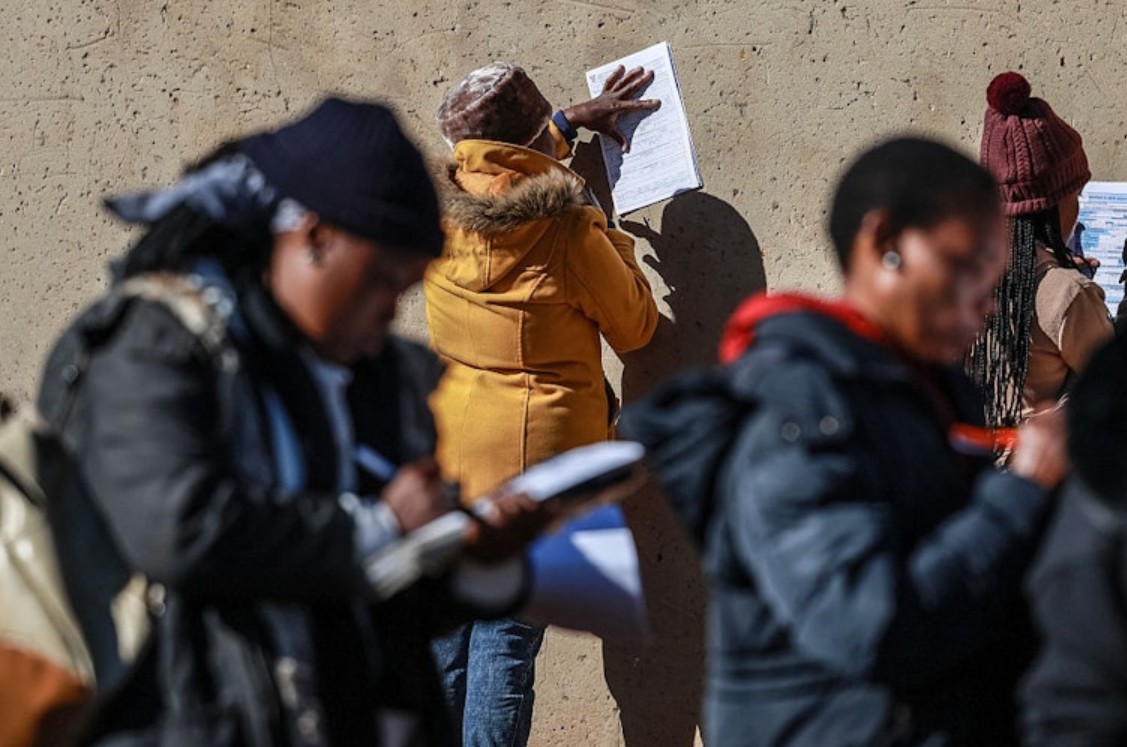
We recommend obtaining your visa before you depart for Sierra Leone. You can purchase a one-month single-entry visa, a six-month multiple-entry visa, or a one-year multiple-entry visa. If you are in Sierra Leone and need to extend your visa, you will have to visit the Department of Immigration, located in Freetown.
You must have a yellow fever vaccination card to enter Sierra Leone.
Transportation: Getting to/from Sierra Leone: If you’re flying into Sierra Leone, you will likely arrive at Freetown-Lungi International Airport. You will be greeted by throngs of porters once you arrive at the airport, so be prepared for chaos. The Sierra Leone River separates the airport from Freetown. If your flight arrives at night, you’d do well to stay over at the Lungi Airport Hotel. When you are ready to enter Freetown, you can take a ferry, a water taxi, or even a helicopter. All are readily available at the airport.
Within Sierra Leone: You have a number of options for transportation within the country, depending on your budget. The most convenient and expensive way to get around the cities and the country is to hire a private car service. Rates can vary, so check with your hotel or travel agent for their recommendations for a reputable service.
You can take public buses to travel within and between the major cities. Make sure you confirm the destination of the bus with the driver before departing on your trip. We recommend asking your hotel staff for their insights on the best bus to take.
Taxis are available within all the major cities and can be a very affordable way to travel.
There are also minibuses called Poda Podas, which have set routes and operate between the major cities. Be prepared for a squeeze because the Poda Poda drivers like to cram a lot of passengers into their vehicles.
Mobile Phones: The most practical way to use a mobile phone in Sierra Leone is with a SIM card–enabled phone. You can purchase a cheap one in the country or take one with you, as long as it is unlocked before you arrive.
The U.S. Department of State’s consular website has a great deal of information about safety and security in Sierra Leone.
It can’t be repeated often enough: be sensible when you travel. Crime rates vary within Sierra Leone, so be alert and aware of your surroundings. Always keep important items like passports and excess cash in a safe place.
The Mo Ibrahim Foundation has created a security ratings system called the Ibrahim Index, wherein scores are based on each country’s quality of government. Before traveling to Sierra Leone or anywhere on the continent, check the index and do your research.
Europeans discovered Sierra Leone in the 1440s; up to then, it was inhabited by indigenous tribes. The Portuguese explorer Pedro da Cintra, while sailing along the coast of the country in 1462, gave the land the name Sierra Lyoa (Lion’s Teeth). In 1787 the British formally named the area “Sierra Leone.”
Until the 18th century, Sierra Leone was a port for the transatlantic slave trade for many European countries. In 1787, Britain sent a shipload of discharged black soldiers, runaway slaves, and prostitutes to a site near present-day Freetown to start a colony; most of those initial settlers died of disease. A second attempt was made in 1792, when a ship full of approximately a thousand freed slaves from Nova Scotia traveled to the coast. Five hundred former slaves from Jamaica soon joined them, and the new settlers established Freetown.
The Sierra Leone Company ran the colony until Britain abolished slavery, in 1807. During the following year, Britain took control of the area and used it as a base for anti–slave trade patrols and a refuge for freed and runaway slaves. Until 1864, approximately 50,000 former slaves made their way to the colony. In 1896 the area became a British protectorate, yet the local people protested against taxation and what they perceived to be unfair British governance. It was not until April 27, 1961, that Sierra Leone gained independence after more than 150 years of British colonial rule. Dr. Milton Margai was elected the country’s first prime minister, and his Sierra Leone People’s Party gained a majority in the parliament.
Since gaining independence, Sierra Leone has had a tumultuous political history, multiple leaders having been forced out of office. In 1996, Ahmad Tejan Kabbah was democratically elected the country’s president. A violent coup organized by Johnny Paul Koroma and the Armed Forces Revolutionary Council led to the ousting of Kabbah, and a decade of bloody conflict ensued. In 2002 the conflict was declared officially over, and Kabbah was reelected. Estimates put the fatalities of the civil war at around 50,000, with approximately 2 million people displaced. In 2007, Ernest Bai Koroma replaced Kabbah as president, and today’s government is working toward a brighter future.
1. The country consists of three provinces and one region: Northern Province, Eastern Province, Southern Province, and the Western Area. The capital of Sierra Leone, Freetown, is also the country’s largest city and is located in the Western Area.
2. The currency of Sierra Leone is the leone. There are 100 cents in every leone. The symbol for the leone is Le.
3. A number of newspapers are published privately in Freetown. Among them are Awoko, the Concord Times, the Standard Times, the Independent Observer, and For Di People.
4. The official language of Sierra Leone is English. Krio (a Creole language) is a language used by most of the population, though. Also widely spoken are Mende and Temne.
5. Currently, cigarette smoking is permissible in public spaces throughout the country, unless otherwise noted.