africa


This copy is for your personal, noncommercial use only. © Africa.com LLC. All Rights Reserved.

Ghana

Travel to Ghana by Africa.com

Right Now

Often hailed as one of Africa’s post-colonial success stories, a model of political stability and economic soundness in a region plagued by civil strife and violent unrest, Ghana has a rising profile on the world stage thanks to a budding energy industry (the recent discovery of oil has helped), an unfettered and active free press, a countrywide compulsory education system, vibrant fashion and music scenes, and a growing reputation as a tourism hot spot on the African continent.

Ghana has something to satisfy every traveler’s appetite. If you seek a bustling, cosmopolitan urban center by the beach (why not, right?), check out Accra. If you’re itching to go on safari, scratch that itch by camping in Mole National Park, where you can watch a herd of elephants pass by from the comfort of your tent. Or perhaps you want to celebrate the rich ethnic and cultural heritage of Ghana with the locals? Don’t leave Ghana without experiencing one of its memorable festivals. Take it from us: the natural beauty, colorful landscapes, and warm hospitality of Ghana’s people are not to be missed.

The Top 10: What to Do in Ghana

1. Cape Coast and Elmina: Go back in time and gain a greater understanding of the African slave trade by touring the castles and forts, the nerve centers of the British slave trade, of Cape Coast and Elmina. Cape Coast Castle and Elmina are both UNESCO World Heritage sites and offers excellent museums with guided tours. After a day of soaking up some serious history, kick back with a few cocktails oceanside at the Oasis Beach Resort in Cape Coast.

2. Beaches: If you like chilling on the beach, you’ll love Ghana. With 530 kilometers of coastline, Ghana has every type of beach you could imagine, and it’s relatively easy to hop down or up the coast from one to another. A few we like are Axim Beach, Kokrobite, Takoradi, Busua, EG White Sands, La Palm, and Biriwa. If you’re looking for a more relaxed, calm ocean vacation, we recommend researching resorts. Otherwise, much of the water off Ghana’s beaches is rough and more conducive to surfing than swimming. As well, you might be sharing the ocean with fishermen as they haul their catches, which is a fascinating sight itself if you’re up for it.

3. Mole National Park: Ghana’s largest national park is home to 90 species of mammals, including elephants, baboons, antelope, and more. The truly adventurous may rent a tent at the Mole Motel, where they’ll sleep in less than first-class accommodations, but it’s well worth the sacrifice for the priceless view: a much frequented animal watering hole.

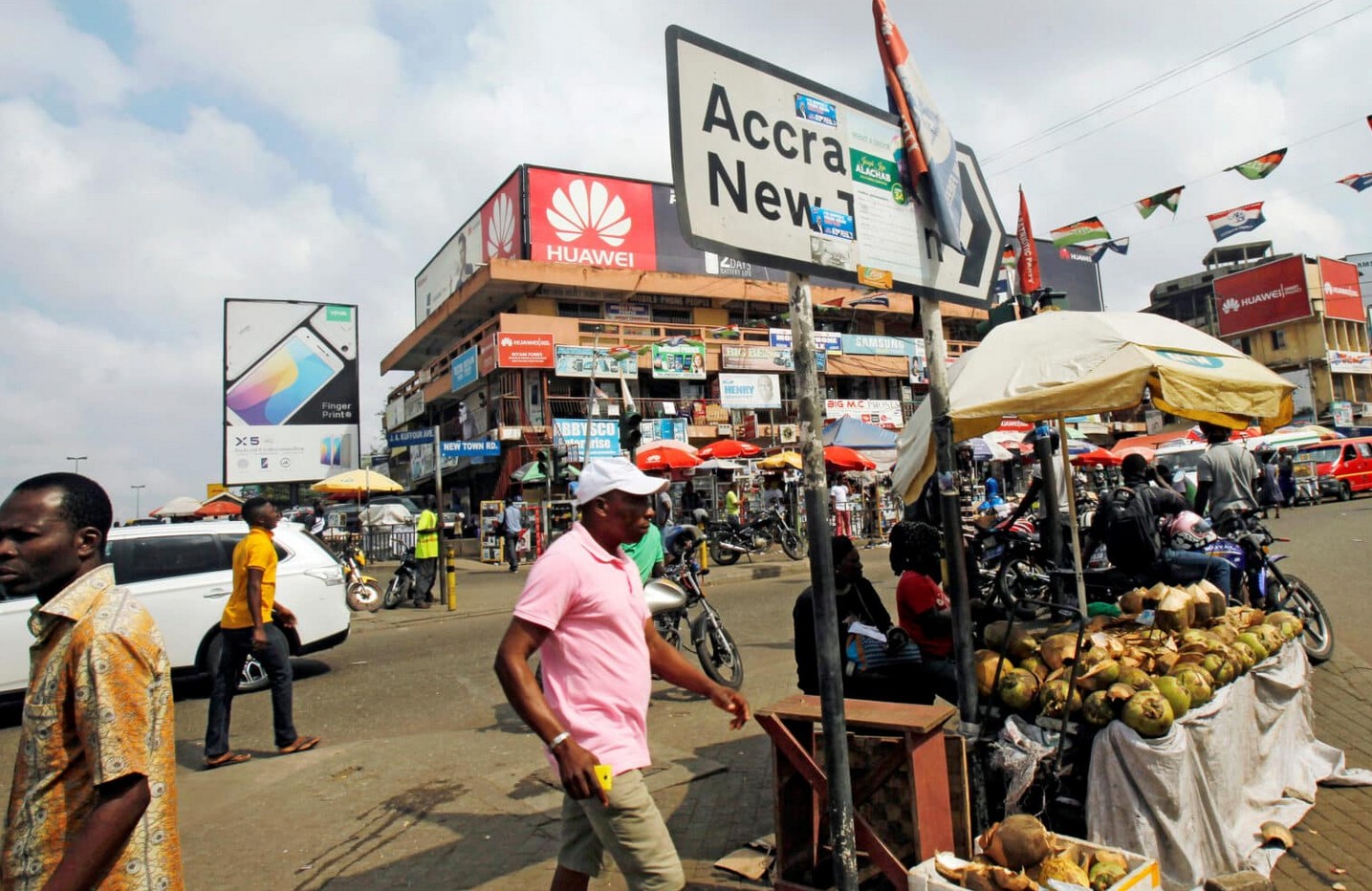
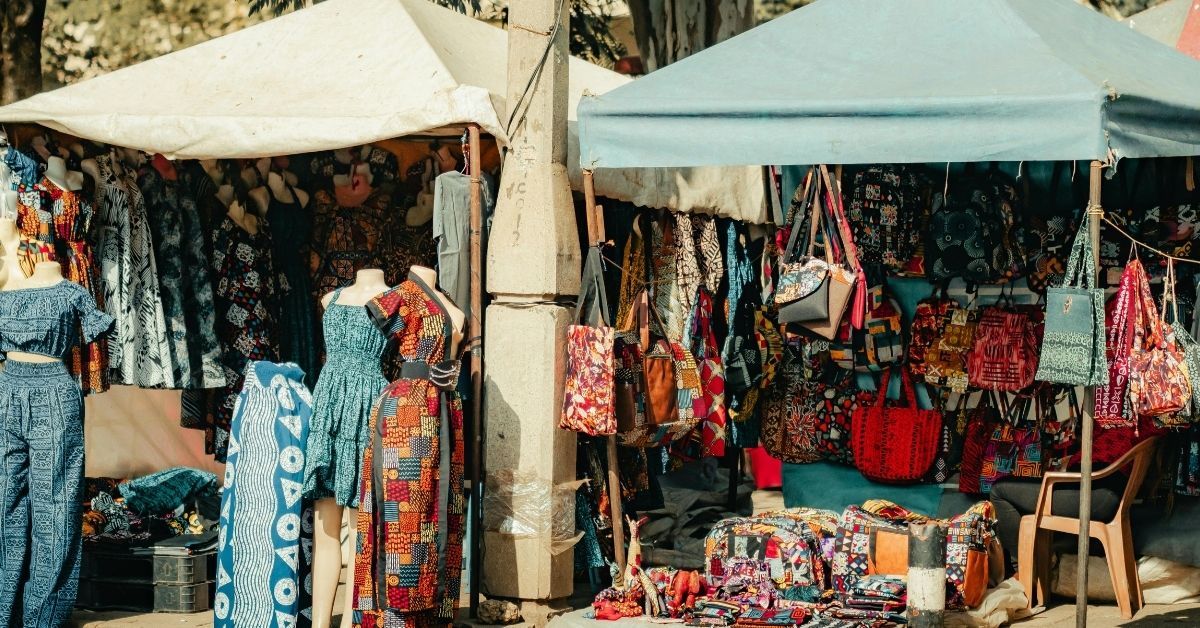
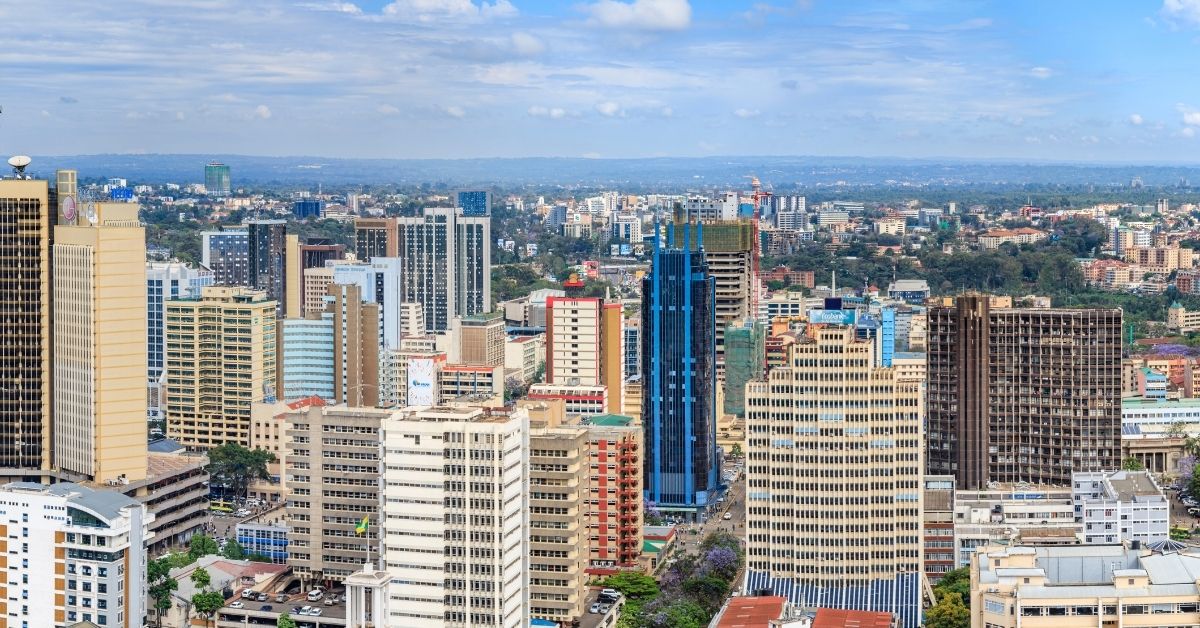
4. Accra: This hectic, inviting city is at the heart of a modernizing Ghana. To get a taste for what it means to be a Ghanaian in the 21st century, hang out in Accra. Visit the frenetic, open-air Makola Market to shop, the National Museum for a history fix, or the Osu Might Market, where hundreds of outdoor food stalls offer dinner in the Ghanaian style, by candlelight.

5. Kumasi: Home of the Ashanti people and the so-called spiritual capital of Ghana, Kumasi has one of Africa’s largest central markets. Traders from all across Africa descend on the market to sell their wares. For a view into the life of a traditional African democracy, spend some time in the public courtroom of the Palace of the Asantehene, the seat of the Ashanti king.

6. Volta Region: Ghana’s most easterly region is a virtual a paradise of scenic beauty, notably the Wli waterfalls, the monkey sanctuaries of Tafi Atome, and the ancestral limestone caves of Lipke.

7. Kakum National Park: The park is situated in one of the last living rain forests in the world. To experience the ecosystem firsthand, take the round tour via Canopy Walkway; at as much as 40 meters (130 feet) up, the visitor can approach the plants and animals in their living space.

8. Bonwire: The birthplace and home of Asanta Kente weaving, this is the place to buy and view extraordinary Kente cloth, worn and sold all over the world.

9. Ahwiaa: This town in central Ghana produces exceptionally carved wood figures and artifacts. Visit Mampong Road to see skillful carvers who produce Ashanti stools, masks, symbolic figures, bone and ivory beads, and walking sticks.

10. Academy of African Music and Art (AAMA): Rhythm and drumming play a large role in traditional Ghanaian life, and the beat of West Africa has influenced music the world over for centuries. To get a crash course in the Ghanaian beat, visit AAMA, located in a fishing village outside of Accra. AAMA was founded by one of Ghana’s most famous musicians, the master drummer Mustafa Tettey Addy. It’s the place to learn the basics of traditional Ghanaian music, drumming, and dance.

When to Go

Ghana has a tropical climate, thanks to its proximity to the equator, which means it’s hot pretty much year-round, with some seasonal rains. While temperatures vary with region, season, and elevation, the temperature generally falls between 70 and 90 degrees Fahrenheit (21 and 32 degrees Celcius,) with high levels of humidity. The coastal region of Ghana has two rainy seasons, one peaking in May or June, the other in October. In the north, the single rainy season starts in May or June. High tourist season lasts from June to August.

Getting In and Around

Visas: Before traveling to Ghana, make sure that your passport is not about to expire; you could be refused entry to the country if your passport will expire within six months of your planned departure date. Most tourists traveling to Ghana will require an entry visa. Travelers must apply for this visa at a Ghanaian embassy. Expect the visa process to take approximately two weeks. The visa will be good for up to 60 days.

By law, visitors entering Ghana must be able to produce a yellow fever vaccination certificate. In practice, you will most likely not need to produce that document, but for safety’s sake we suggest that you obtain one before entry.

Transportation: Ghana International Airlines flies between London, Accra, and Düsseldorf. Beginning in the spring of 2010, United Airlines began flying a daily non-stop from Washington, D.C., to Accra. Other major airlines with flights in and out of Accra include Alitalia, British Airways, Egypt Air, Emirates, Kenya Airways, KLM, Lufthansa, and Royal Air Maroc.

Traveling by bus is the most efficient and safest way to get around Ghana, especially between major centers. The State Transport Company offers regular and reliable bus routes throughout the country. Driving is also very common in Ghana, and despite the country’s British colonial heritage, Ghanaians drive on the right, not the left. Travelers commonly rent a car or hire a driver for the duration of their trip. Hiring a driver for one or more days can be an affordable alternative to renting a car, and the price is often negotiable.

Mobile Phones: If you have an unlocked GSM mobile phone, it can be used in Ghana. Travelers can buy local SIM cards when they arrive, which will allow them to make calls at local rates.

Safety and Security

The U.S. Department of State’s consular website has a great deal of information about safety and security in Ghana. It can’t be repeated often enough: be sensible when you travel. Be alert and aware of your surroundings.

The Mo Ibrahim Foundation has created a security ratings system called the Ibrahim Index, wherein scores are based on each country’s quality of government. Before traveling to Ghana or anywhere on the continent, check the index and do your research.

History

The first contact between Europe and the Gold Coast (now called Ghana) dates to 1470, when a party of Portuguese landed. During the next four centuries, the English, Danes, Dutch, Germans, and Portuguese all fought for control of the coastal areas of present-day Ghana.

In 1844, Fanti tribal chiefs came to an agreement with the British that became the legal stepping-stone to colonial status for the coastal area. For the next 100 years, the British ruled and administered the region, which came to include present-day Togo, using it as a base of operations for their transatlantic slave trade. In the 1920s Britain introduced indirect rule to traditional authorities, which helped spur nationalist opposition within the Gold Coast. By the late 1940s, the independence movement had grown strong and started to gain significant momentum after a series of violent incidents between the British and the locals in Accra. A number of African political parties within the crown colony fought to lead the Gold Coast to independence from Britain and even approved a constitution in the spring of 1954. On March 6, 1957, the state of Ghana, named after the medieval West African empire, became an independent country within the Commonwealth of Nations. Kwame Nkrumah is often credited as the father of Ghanaian independence.

After independence, Ghana endured a series of power struggles and failed governments before Lt. Jerry Rawlings took power in 1981 and banned political parties. In 1992, after approving a new constitution and reinstating party politics, Rawlings ran for the presidency of Ghana and won. He served two successive terms before being constitutionally blocked from a third in 2000. John Kufuor succeeded him and was reelected in 2004. Currently, John Atta Mills serves as the Ghanaian head of state and president, leading the National Democratic Congress (NDC).

The Top 5: Local Advice

1. Ghana is divided into ten administrative regions, the largest and most populated of them being Greater Accra, where approximately one-sixth of the population resides. Accra has been the capital city and the seat of Ghana’s government since 1877, when the British ruled this part of West Africa. The regions include Ashanti, Brong Ahafo, Central, Eastern, Greater Accra, Northern, Upper East, Upper West, Volta, and Western.

2. The Ghanaian currency is called the cedi, derived from the Akan word for cowrie shell. Cowrie shells were once used in Ghana as a form of currency. A hundred pesewas make up one cedi. The symbol for the cedi is GH₵.

3. The 1992 Constitution of Ghana guarantees freedom of the press and allows for an independent media; as a result, the media in Ghana are among the most active and free from censorship in all of Africa. The mix of state-run and independent media sources in Ghana creates a diverse and vibrant press within the country. Major state-owned newspapers include the Daily Graphic and the Ghanaian Times, while the two most popular independent papers are the Ghanaian Chronicle and The Independent. Press radio and television are also widely popular; the Ghana Broadcasting Corporation provides both television and radio stations.

4. The official language of Ghana is English; however, most Ghanaians speak one of nine government-sponsored indigenous languages. Of these latter, Akan is the most widely spoken throughout Ghana.

5. Here is Ghanaian social etiquette 101: Smoking in public places is socially acceptable. Ask before taking someone’s picture. Always greet everyone in a party, starting with the elders. Don’t eat, wave, shake, or point with your left hand, as that is considered taboo.