Ethiopia is a nation that should be proud of its age. Previously known as Abyssinia, Ethiopia has cultural traditions going back as far as 3,000 years, and humankind there goes back much, much longer: Lucy, the world’s earliest hominid, was found in Ethiopia and dates back 3.5 million years. As the second-most populous nation in Africa after Nigeria, Ethiopia is approximately double the size of Texas. Best known for its Olympic-caliber athletes and phenomenal cuisine, Ethiopia is one of the fastest-growing African nations, independent of oil energy, and in 2007, the country had the 11th-fastest-growing economy worldwide. Bordered by Sudan, Kenya, Somalia, and Djibouti, Ethiopia has people, culture, and cuisine that combine for an unforgettable travel experience. Indeed, the country has no fewer than eight UNESCO World Heritage Sites within its borders.
1. Ethiopian Cuisine: Like Morocco, Ethiopia has exported its cuisine to the rest of the world with great success, and for good reason: it is outstanding. Injera, the staple bread, is a flat, spongy pancake made of teff, a grain grown on the highlands of Ethiopia. It is traditionally eaten with stews or with kitfo, a dish akin to a Western steak tartare, made with raw beef and mouthwatering spices. Injera is also used as a kind of plate; a spread of stews, spiced vegetables and meat, and condiments all may be served on a single large circle of injera. Eat it all up: that bread is soaked with spices, and eating it is an amazing way to finish dinner. Don’t be surprised if your host pulls off a bite and puts it into your mouth; that is a local sign of kindness and generosity.
2. Fasil Ghebbi: Located in Gondar, this site is nicknamed Africa’s Camelot. Home to a 17th-century castle, the city was the residence of the Ethiopian emperor Fasilides and his successors. The city is surrounded by a 2953 feet (900-meter) wall and contains palaces, churches, and monasteries that feature Hindu and Arab influences. In this city you will have to remind yourself you are in Africa and not on an island in North Wales.
3. Lalibela: One of the most impressive sites in Ethiopia is the city of Lalibela, home to 11 huge rock-hewn churches, all carved out of mountainsides. Mind- boggling feats of masonry, the churches are connected through a maze of tunnels and underground passageways.
4. Semien Mountains: These natural beauties are breathtaking, owing to thousands of years of erosion on the highland plateau. The jagged peaks rise and plunge dramatically, providing an astonishing backdrop for the nearby national park’s collection of native birds, plants, and mammals. This area is home to the giant horned Walia ibex, a goat native to the area and found nowhere else on Earth.
5. Ethiopian Archaeology: Ethiopia has several sites for the curious observer, including the ancient city of Aksum, close to Ethiopia’s northern border. The birthplace of Ethiopian civilization, the kingdom of Aksum was the most powerful state between Persia and the Eastern Roman Empire. Dating from between the first century A.D. and the 13th, this site has royal tombs, monolithic stelae, giant obelisks, and ruins of ancient castles. Even after the kingdom’s political demise, in the tenth century, the site was still used as the location for the crowning of Ethiopian emperors.
6. Tiya: The prehistoric town of Tiya, in southern Ethiopia, is another great stop for archaeology buffs. While not as visually stunning as those at Aksum, the 46 original stelae of Tiya date from between the tenth century and the 15th, they bear enigmatic carvings dissimilar to those of other regions. The town’s exact age is still unknown.
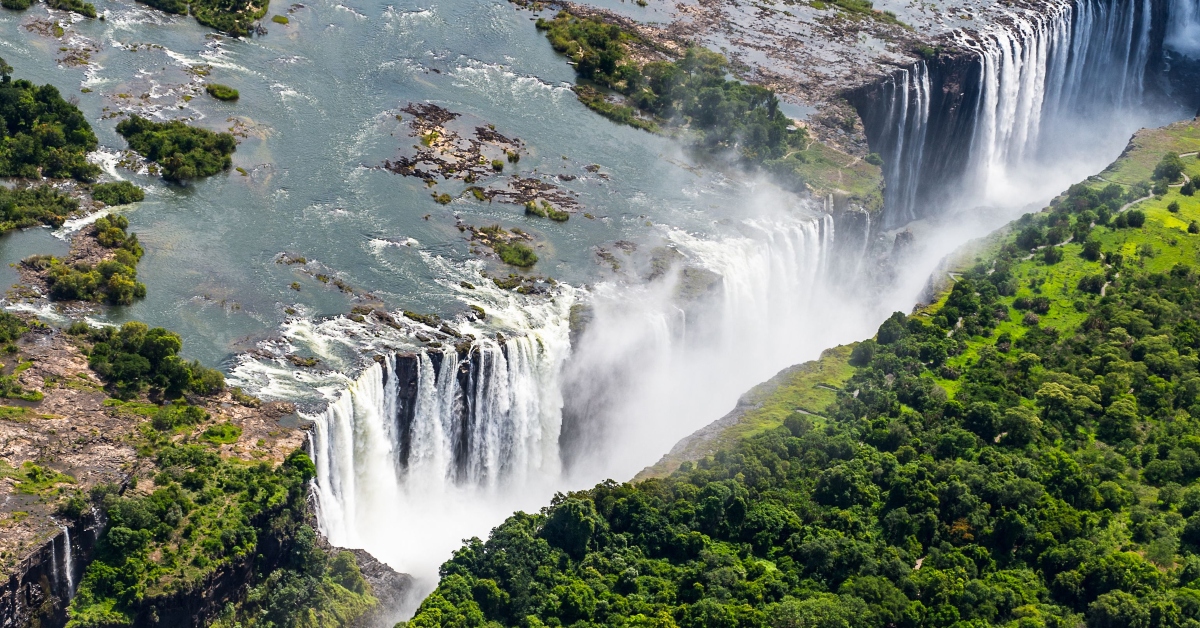
7. Blue Nile Falls: Just outside of the city of Bahir Dar are the picturesque Blue Nile Falls (or Tis Abay, in Amharic). Smaller than Niagara Falls but dazzling nonetheless, the falls are at the southern end of Lake Tana, the largest lake in Ethiopia. Islands on the lake are home to some of the world’s oldest churches and monasteries and are easily accessible by boat charter (as is Orthodox custom, women are not allowed in some of monasteries on the islands). Ask your guide to show you the best places for hippo spotting.
8. Lower Omo Valley: One of the last untouched wilderness areas on the African continent, this valley is secluded by the 14764 feet (4,500-meter) mountain range to the north, the impassable swamplands of the Nile to the west, and the desert of Kenya to the south. The valley features a diverse group of ethnic tribes within a very short distance. It is believed to have been an ancient crossroads where early humans passed during migrations to surrounding areas. Visit a Dorze village to see beehive-shaped huts, purchase local woven fabrics, and watch as craftsmen and women weave, throw clay for pottery, and forge.
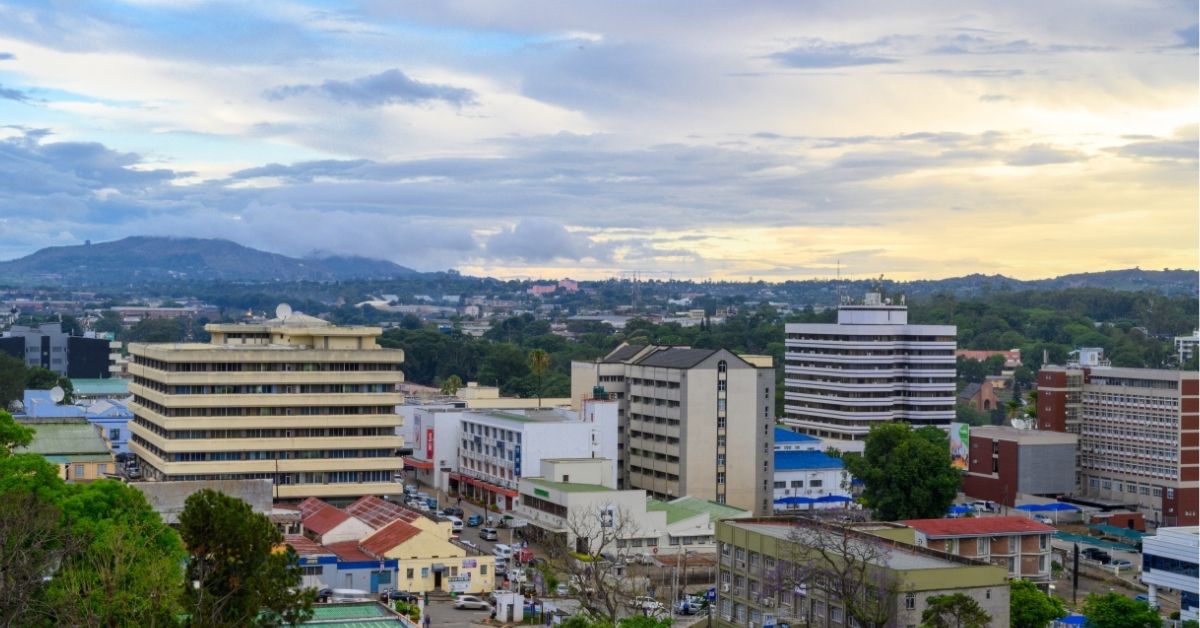
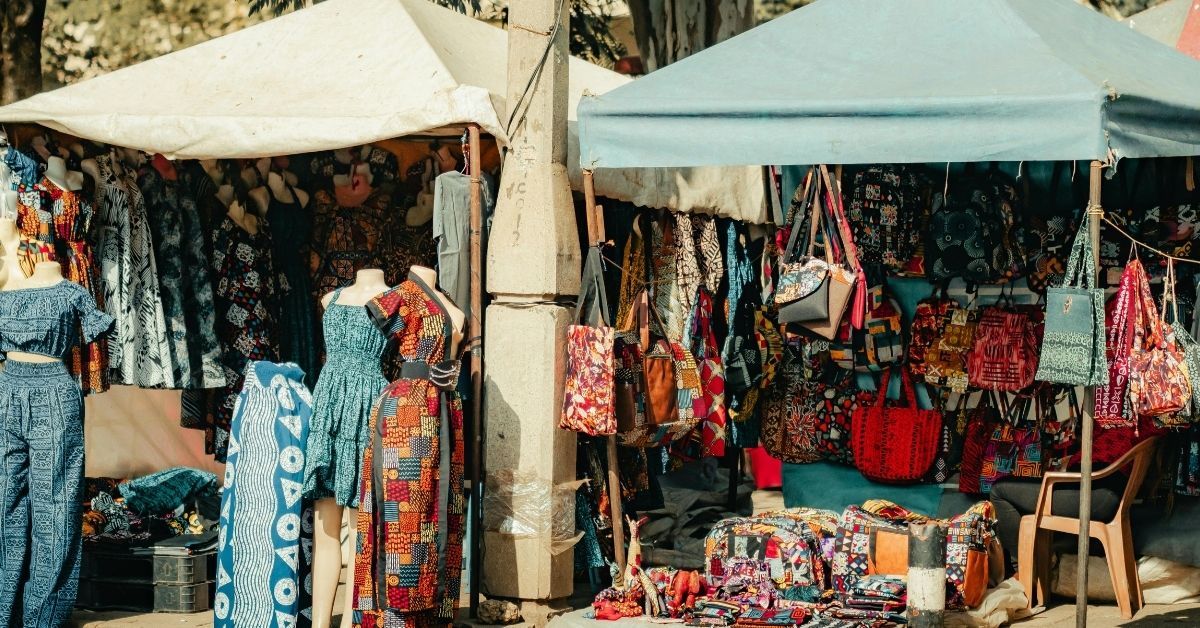
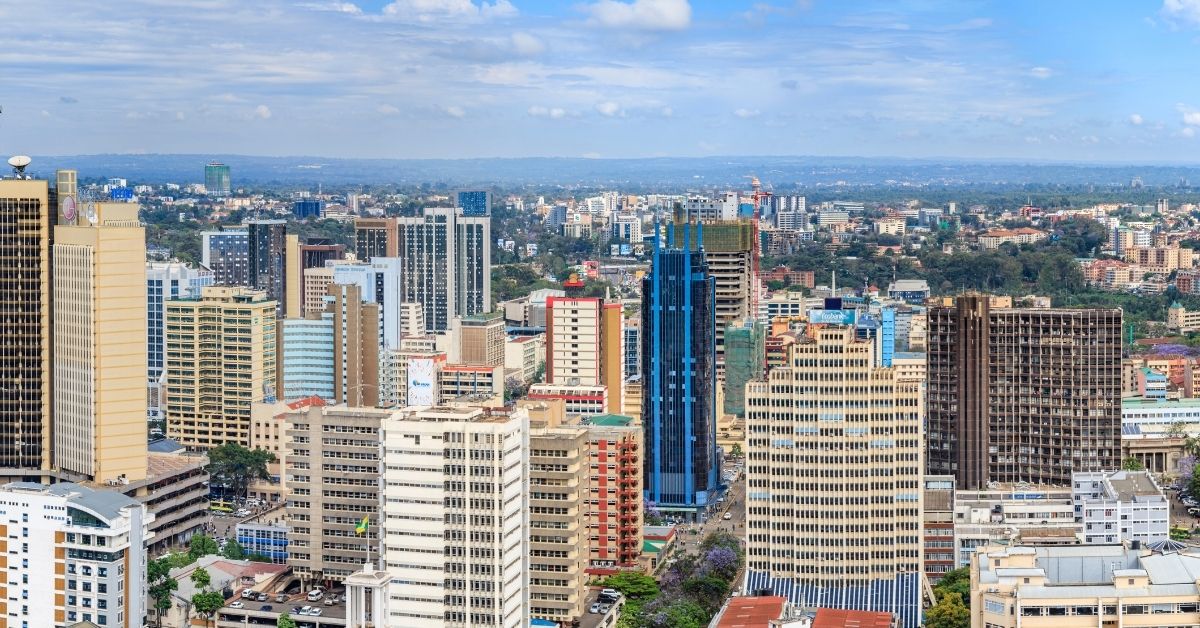
9. Addis Ababa: The capital city, Addis Ababa is the fourth-largest city in Africa and home to a variety of cultural institutions, including the National Museum, Jubilee Palace, Meskal Square, St. George’s Cathedral, and the Ethnology Museum. Merkato and Piassa are famous markets: Piassa is great for silver and clothing. Merkato is the largest market in Africa, but bring along a guide! Set aside a day or two to stroll around the city, appreciating the culture, the sights, and the friendly people.
10. Danakil Depression: Located near the southern end of the Red Sea and home to nearly 3 million Afar people, this tectonic plate junction reaches almost 394 feet (120 meters) below sea level. Landscapes reminiscent of the moon’s are a highlight of this trip, and make sure to visit the Erta-Ale shield volcano, created by almost 90 years of continuous lava flow. It can get very hot here, so dress accordingly. As well, it can be difficult to get to this site—make sure that you travel with a guide.
Ethiopia is a sun-filled country. Although the highlands, including the tourist-friendly historic circuit, receive rain from March to September, most days still enjoy a considerable amount of sunshine. A great time to go is right after October: at that time, just after the rainy season, Ethiopia is lush, green, dotted with wildflowers, and less traveled than in other parts of the dry season. If you plan on visiting the tribes of the Lower Omo Valley, try not to go in April, May, or October, when rain makes roads in this area nearly impassable.
Visas: Although Ethiopian tourist visas may be available upon travelers’ arrival at Bole International Airport in Addis Ababa, we strongly recommend obtaining an Ethiopian visa prior to your vacation to prevent any delay or confusion.
Transportation: Ethiopia has 24,000 km of roads, but only about 3,300 km of them are paved. That means that even primary roads connecting Addis Ababa to other cities and towns across the country are gravel. The good news is that the Road Sector Development Programme is in the process of upgrading paved and nonpaved roads, and 75 percent of government infrastructure spending is aimed at improving road transportation.
A railroad connects Addis Ababa to the port of Djibouti, which carries more than 800,000 travel passengers per year, for now the passenger services have been discontinued. Taxis are available in Addis Ababa and other metropolitan towns, but fares aren’t metered, so negotiate before you travel. Your best bet for traveling from city to city within Ethiopia is by utilizing a car with a driver, with which the National Tour Operation can help you.
Ethiopia has two international airports: one in the capital city of Addis Ababa and the other in Dire Dawa. Approximately 40 smaller domestic airports are scattered throughout the rest of the country. We recommend buying your flights directly with Ethiopian Airlines, not a codeshare: prices can get expensive, but if you buy all your flights together, the airline will give customers a discount.
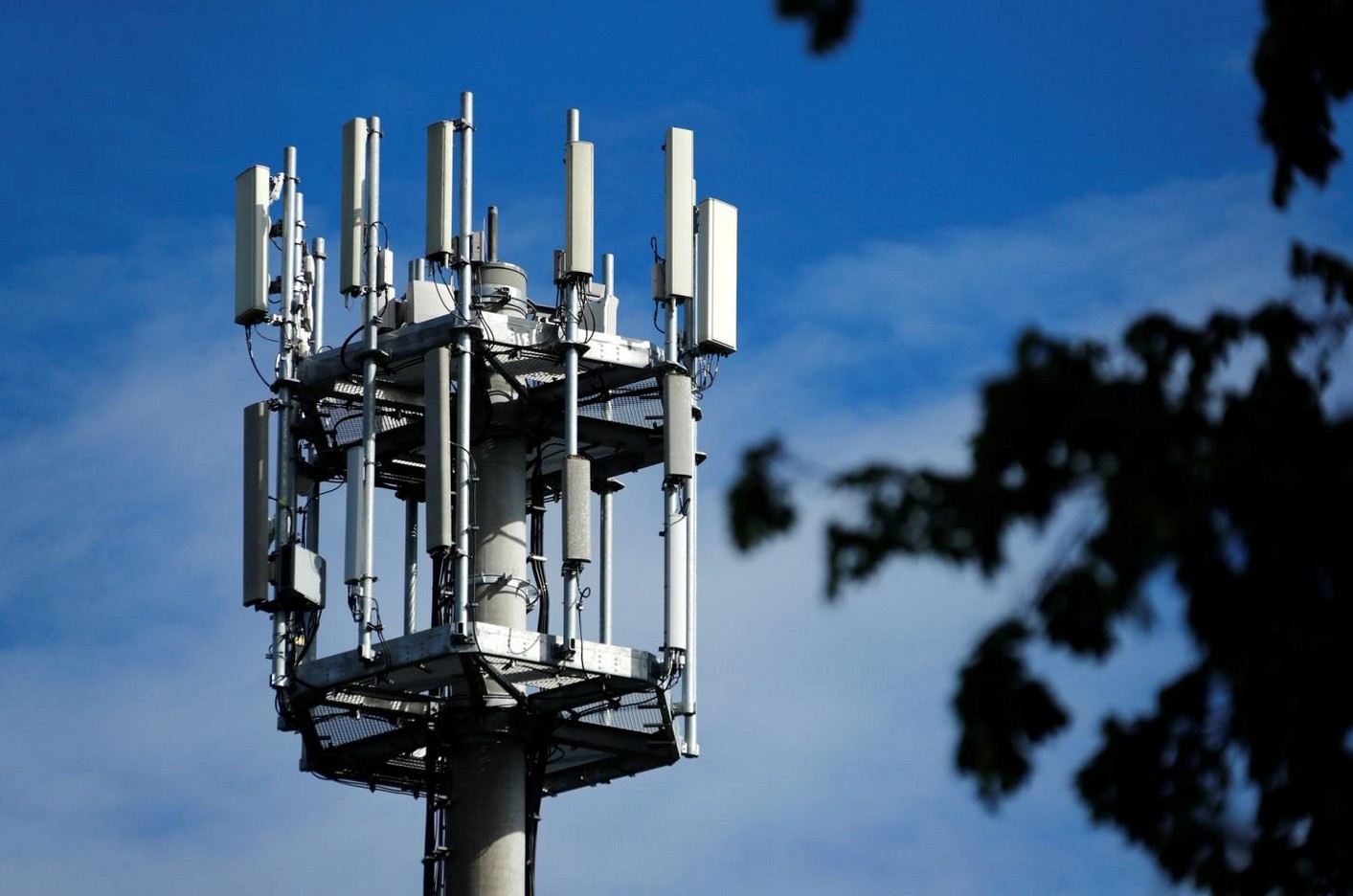
Mobile Phones: There is decent phone coverage around major cities like Addis Ababa, Dire Dawa, Adama, Bahir Dar, and Awasa. You can buy a SIM card from any place that sells phones, but be prepared to show at least two forms of identification and have an extra passport photo handy.
Ethiopia is a relatively stable country, but it’s best to use your good judgment in any travel situation. Make sure to do your research, and be sure to exercise heightened caution especially when traveling to any remote area of the country, including borders near Eritrea, Somalia, Kenya, and Sudan. The U.S. Department of State’s website on Ethiopia is a great place to check for any rare advisories.
The Mo Ibrahim Foundation has created a security ratings system called the Ibrahim Index, wherein scores are based on each country’s quality of government. Before traveling to Ethiopia or anywhere on the continent, check the index and do your research.
Ethiopia’s ties to ancient culture were confirmed with the discovery of Lucy, an early hominid that dates back 3.5 million years. As early as 7000 B.C.E. hunting tribes were present in the area, and some of them created domestication processes for indigenous plants. The Sabaeans migrated to the area from the Arabian peninsula during the first millennium B.C.E., bringing with them their own Semitic language and writing systems, and Christianity was introduced in the early fourth century under the banner of Byzantine orthodoxy; Orthodox Christianity is an important part of Ethiopian cultural identity today.
The modern history of Ethiopia generally begins in 1855 with the emperor Tewodros II, who united the kingdom after local warlords divided the monarchy. Emperor Minelik II successfully defeated Italy’s attempt at Ethiopian colonization in 1896, granting the Italians the right to their northern province, which they named Eritrea. Through a series of battles, Minelik created the borders of present-day Ethiopia, and the ascent in 1930 of his cousin Haile Selassie opened the doors to Western influence and technology. Few of his reforms took place before war broke out with Italy in 1935, and despite the emperor’s dramatic appeal to the League of Nations in 1936, Italy occupied Ethiopia from 1936 to 1941.
After World War II, the French-educated emperor Selassie I again attempted to reform Ethiopia and successfully pursued the annexation of Eritrea in 1962. A 1974 mutiny by low-ranking army officials led to the fall of the monarchy and the ascension of the Derg (or committee, in Amharic), a group that imposed on the area a military rule that lasted for 17 years. During this period, the Derg established a socialist agenda with military authority. Cracks in the Derg’s rule, however, began to show when the Tigray People’s Liberation Front began to seek regional autonomy.
In the late 1980s the TPLF combined forces with Eritrea’s EPLF (who were attempting to throw off the Derg’s control from their own country) and orchestrated attacks that led to the collapse of the military regime in May 1991. In 1993 the Eritreans voted almost unanimously for their independence, and Ethiopia unenthusiastically granted it. The political party formed during the liberation movement, the Ethiopian People’s Revolutionary Democratic Front (EPRDF), established a multiparty democracy, and the constitution of the Federal Democratic Republic of Ethiopia was adopted in 1994. A bitter border war with Eritrea erupted in 1998. Despite international arbitration that returned the disputed land to Ethiopia, the two nations remain hostile.
1. Ethiopia is divided into nine states and two special city administrations, Addis Ababa and Dire Dawa. These states are subdivided into zones, districts, and subdistricts.
2. Ethiopia’s currency is the birr, which is divided into 100 cents. The government has slowly been devaluing its currency since 1992 from a previous rate of 2.07 birr per American dollar. The current average rate is 16.5 birr to the American dollar, making Ethiopia an excellent place for Americans to travel.
3. Among the major newspapers in Ethiopia are Addis Zemen, the Daily Monitor, and the Ethiopian Herald. There are 18 licensed radio stations in the country, broadcasting in a variety of languages. The major radio broadcasting stations are Radio Ethiopia, Radio Voice of One Free Ethiopia, and the Voice of the Revolution of Tigray. There is one television network in the country, Ethiopian Television. The Ethiopian government controls all of these, although small, privately funded media have been proliferating since 1991.
4. Ethiopia does not have an official language: at least 70 different languages are spoken as “mother” tongues in the country. Approximately 33 percent of the population speaks Amharic, and about 32 percent speaks Oromigna. Most of the other languages are of Semitic, Cushitic, or Omotic origins, and a smaller portion speaks dialects of the Nilo-Saharan family of languages. Many people speak English, as it is a major foreign language taught in a number of schools. If you can pick up a few words and phrases in Amharic, it will help you, especially if you plan to spend a good portion of your trip in Addis Ababa.
5. An estimated 40 percent of the population of Ethiopia is Muslim, 40 percent Orthodox Christians, and approximately 10 percent Protestants. Indigenous religions are also practiced.
6. Ethiopia operates on a different clock than many countries: sunrise is clocked at 12 a.m., and sunset is clocked at 12 p.m. Therefore, the time in Ethiopia is six hours behind European time zones—for instance, if it’s 5 p.m. in Europe, it is 11 a.m. in Ethiopia. Take care to get to know the timing differences, especially when flying or scheduling tours.