africa


This copy is for your personal, noncommercial use only. © Africa.com LLC. All Rights Reserved.

Arusha

Travel to Arusha by Africa.com

Right Now

Arusha is hard to avoid on any trip to Tanzania, and fortunately, no one would want to: with a perfect climate year-round, friendly locals, easy access to its stunning natural surroundings, and a vibrant, diverse nightlife, you may never want to leave. Those who do, though, will be richly rewarded. Just outside the city lie Mount Meru, Mount Kilimanjaro, Serengeti National Park, the Ngorongoro Conservation Area, and a slew of traditional villages that you can visit through a guide or a “cultural tourism” program.

Tourists generally stay in Uzunguni, known to locals as “White People District,” and although the best accommodations are here, staying elsewhere may provide a more authentic experience of the city. The best thing to do, though, is to take advantage of the town’s gorgeous surroundings. If Kilimanjaro is beyond your skill level, consider climbing Mount Meru or a hike in one of the nearby national parks.

The Top 8: What to Do in Arusha

1. Mount Meru: A good alternative to Mount Kilimanjaro, Meru, the second-highest mountain in Tanzania, can be climbed by climbers with very little experience, and offers spectacular views of Arusha and the surrounding countryside. Fairly deserted by tourists, it takes two days to reach the summit, and rental facilities are limited, so bring a warm sleeping bag and tent.

2. Via Via: This café, located at the Natural History Museum, is an extraordinarily popular social space, where expats mingle with locals and enjoy live music, drinks, and dancing during the evening.

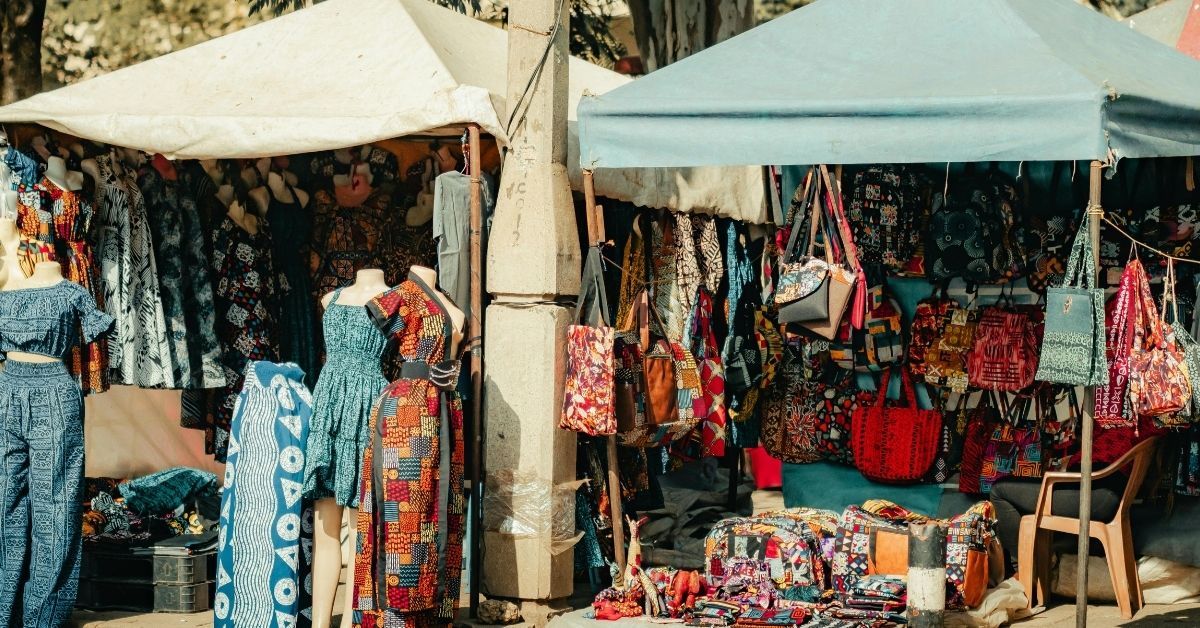
3. Markets: Although you are better off buying art and handicrafts in the villages or in one of Arusha’s upmarket specialty shops, the city’s open-air markets are worth visiting for the experience alone. Clothing, knickknacks, food, books, and electronics can all be had here, often sold by extremely aggressive vendors. The biggest and best market is at Ngarantoni on Thursday and Sunday.

4. Nane Nane: This annual agricultural show attracts thousands to Arusha every August 8th; farmers use it as an opportunity to sell animals and crops, as well as exchange expertise and enjoy music and dancing.

5. International Criminal Tribunal for Rwanda: Housed in the center of town, the trials of those responsible for the genocide during Rwanda’s civil war have been in progress since 1994. The hearings are free and open to the public on certain days of the week. Visitors can watch the proceedings from behind glass and headphones translate everything into a variety of languages. You must bring your passport.

6. Declaration and Natural History Museums: Even by African standards, Arusha is relatively light on museums, but the Declaration Museum and Natural History Museums are good picks for those interested in learning some background about the city. The Declaration Museum hosts several displays about the history of Tanzania since independence. The Natural History Museum has several fossils and the popular café Via Via in the back of its grounds.

7. Masai Tours: Although some may be uncomfortable with the voyeuristic elements of these guided tours of outlying villages, there is no better way to learn about the lives and customs of the Masai and Meru ethnic groups, who are very proud of their culture and traditions. Locals, who also serve as interpreters, usually lead tours. Roy Safaris offers excursions out of Arusha.

8. Century Cinema: This cinema, part of a modern shopping complex, shows mostly Western films, and offers a break from the organized chaos of Arusha. The shopping area is a good place to observe Arusha’s wealthier set, if that’s your thing, and also offers several good restaurants.

When to Go

Although Arusha itself can be visited year round, the best time is from June to October, during the dry Tanzanian winter. If you want to climb Mt. Kilimanjaro, it might be wise to visit during the off-season, between December and March—temperatures in the rest of the country will be scorching, but the mountain will be slightly warmer.

Getting In and Around

Visas: It is possible to obtain a visa upon arriving in Tanzania, but we highly recommend that you arrange that before you travel. Tourist visas are issued as single- or multiple-entry permits and cost about $100.

It is highly recommended that visitors get cholera and malaria vaccinations before their trip. If you are traveling to Tanzania from a surrounding country, it may be necessary to certify that you have been vaccinated against yellow fever as well.

Transportation: Most travelers will fly into the country via Dar es Salaam, Kilimanjaro, or Zanzibar. The national airline is ATC (Air Tanzania Corporation). ATC and Precision Air are the main providers of domestic flights and link most of the major towns in the country.

Public transportation within Arusha is limited, although several long distance buses to other cities pass through here. Your best bet is to hire a taxi or a driver, although walking is fine during the day, so long as you avoid the slums.

Safety and Security

Because of Arusha’s proximity to tourist magnets such as Kilimanjaro, touts and tourist scams are common. If you want to hire a guide, take an organized tour, or go on a safari or mountain trek, arrange for it through an accredited agency, preferably before you arrive.

The U.S. Department of State’s consular website has good advice about staying safe in Tanzania, and warns travelers to be sensible when choosing transportation—the more run-down buses and minibuses in Arusha and elsewhere are often sites of theft. Whenever you are in out in the city, be careful with your valuables, use common sense, and do not travel on foot at night.

Additionally, the Mo Ibrahim Foundation has created a security ratings system called the Ibrahim Index, according scores based on each country's quality of government.

The Top 3: Local Advice

1. Although some Swahili will be useful outside of Arusha, within the city you can get by very well in English. Locals here are some of the friendliest—some might say “overbearing”—in the world, and will often approach you in English. Although many are touts, it is not uncommon for Tanzanians to simply befriend foreigners, and some will even invite you to eat with their families. If you accept a dinner invitation, dress modestly and bring a gift.

2. Although tipping is traditionally not expected in Tanzania, most locals expect tips from tourists, and if you have received good quality service, a tip will certainly be appreciated. Food servers should be tipped 10 to 15 percent, and one or two dollars for porters is a good amount. Note that it is common for people in Tanzania to carry your bags, clean your windshields, or more without being asked; they will expect a tip for this. If you don’t want the service, firmly explaining that you’re not willing to pay will usually shake them off.

3. ATMs are easy to find in Arusha, and certain vendors accept credit cards, most commonly Visa and Mastercard. It’s best to carry a supply of Tanzanian shillings just in case. Most major banks will exchange cash.