Ghana


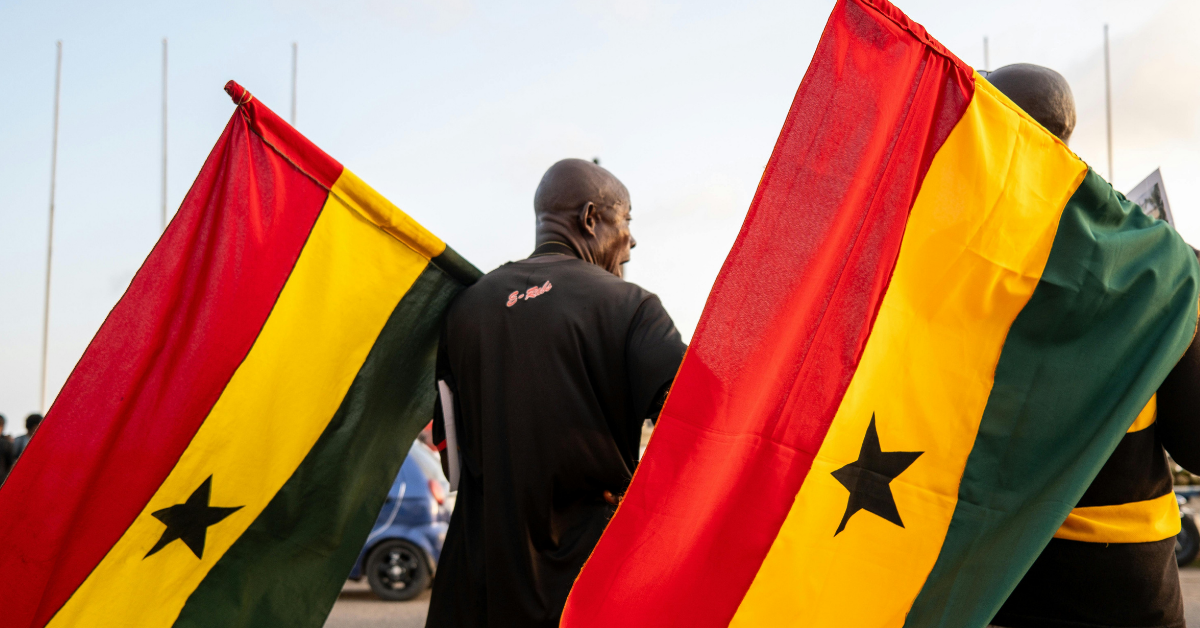
Flag of Ghana
   

Ghana

Video Source: Youtube
Flag Source: CIA World Factbook

Right Now


Often hailed as one of Africa’s post-colonial success stories, a model of political stability and economic soundness in a region plagued by civil strife and violent unrest, Ghana has a rising profile on the world stage thanks to a budding energy industry (the recent discovery of oil has helped), an unfettered and active free press, a countrywide compulsory education system, vibrant fashion and music scenes, and a growing reputation as a tourism hot spot on the African continent.

Ghana has something to satisfy every traveler’s appetite. If you seek a bustling, cosmopolitan urban center by the beach (why not, right?), check out Accra. If you’re itching to go on safari, scratch that itch by camping in Mole National Park, where you can watch a herd of elephants pass by from the comfort of your tent. Or perhaps you want to celebrate the rich ethnic and cultural heritage of
Ghana with the locals? Don’t leave Ghana without experiencing one of its memorable festivals. Take it from us: the natural beauty, colorful landscapes, and warm hospitality of Ghana’s people are not to be missed.

The Top 10: What to Do in Ghana


1. Cape Coast and Elmina: Go back in time and gain a greater understanding of the African slave trade by touring the castles and forts, the nerve centers of the British slave trade, of Cape Coast and Elmina. Cape Coast Castle and Elmina are both UNESCO World Heritage sites and offers excellent museums with guided tours. After a day of soaking up some serious history, kick back with a few cocktails oceanside at the Oasis Beach Resort in Cape Coast.

2. Beaches: If you like chilling on the beach, you’ll love Ghana. With 530 kilometers of coastline, Ghana has every type of beach you could imagine, and it’s relatively easy to hop down or up the coast from one to another. A few we like are Axim Beach, Kokrobite, Takoradi, Busua, EG White Sands, La Palm, and Biriwa. If you’re looking for a more relaxed, calm ocean vacation, we recommend researching resorts. Otherwise, much of the water off Ghana’s beaches is rough and more conducive to surfing than swimming. As well, you might be sharing the ocean with fishermen as they haul their catches, which is a fascinating sight itself if you’re up for it.

3. Mole National Park: Ghana’s largest national park is home to 90 species of mammals, including elephants, baboons, antelope, and more. The truly adventurous may rent a tent at the Mole Motel, where they’ll sleep in less than first-class accommodations, but it’s well worth the sacrifice for the priceless view: a much frequented animal watering hole.

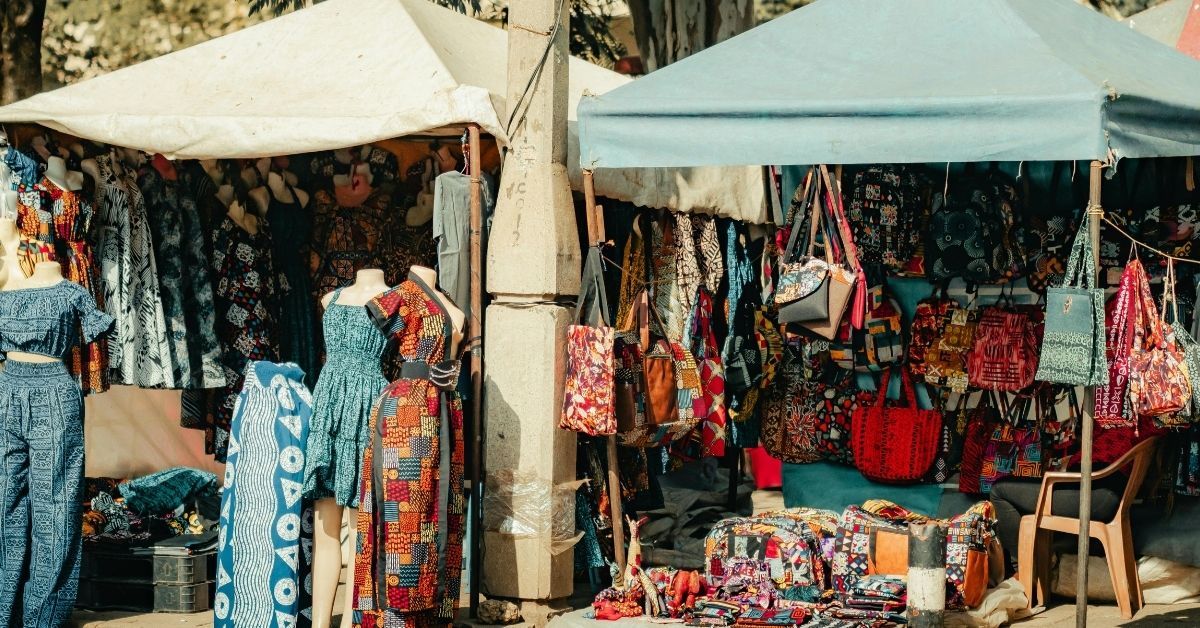
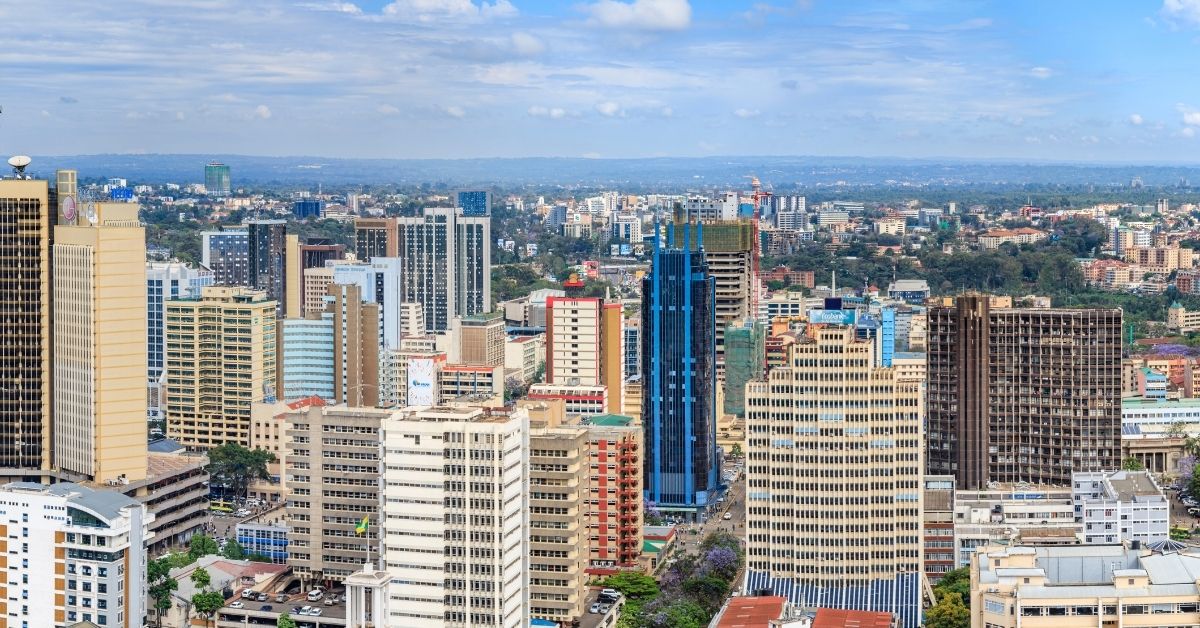
4. Accra: This hectic, inviting city is at the heart of a modernizing Ghana. To get a taste for what it means to be a Ghanaian in the 21st century, hang out in Accra. Visit the frenetic, open-air Makola Market to shop, the National Museum for a history fix, or the Osu Might Market, where hundreds of outdoor food stalls offer dinner in the Ghanaian style, by candlelight.

5. Kumasi: Home of the Ashanti people and the so-called spiritual capital of Ghana, Kumasi has one of Africa’s largest central markets. Traders from all across Africa descend on the market to sell their wares. For a view into the life of a traditional African democracy, spend some time in the public courtroom of the Palace of the Asantehene, the seat of the Ashanti king.

6. Volta Region: Ghana’s most easterly region is a virtual a paradise of scenic beauty, notably the Wli waterfalls, the monkey sanctuaries of Tafi Atome, and the ancestral limestone caves of Lipke.

7. Kakum National Park: The park is situated in one of the last living rain forests in the world. To experience the ecosystem firsthand, take the round tour via Canopy Walkway; at as much as 40 meters (130 feet) up, the visitor can approach the plants and animals in their living space.

8. Bonwire: The birthplace and home of Asanta Kente weaving, this is the place to buy and view extraordinary Kente cloth, worn and sold all over the world.

9. Ahwiaa: This town in central Ghana produces exceptionally carved wood figures and artifacts. Visit Mampong Road to see skillful carvers who produce Ashanti stools, masks, symbolic figures, bone and ivory beads, and walking sticks.

10. Academy of African Music and Art (AAMA): Rhythm and drumming play a large role in traditional Ghanaian life, and the beat of West Africa has influenced music the world over for centuries. To get a crash course in the Ghanaian beat, visit AAMA, located in a fishing village outside of Accra. AAMA was founded by one of Ghana’s most famous musicians, the master drummer Mustafa Tettey Addy. It’s the place to learn the basics of traditional Ghanaian music, drumming, and dance.

When to Go


Ghana has a tropical climate, thanks to its proximity to the equator, which means it’s hot pretty much year-round, with some seasonal rains. While temperatures vary with region, season, and elevation, the temperature generally falls between 70 and 90 degrees Fahrenheit (21 and 32 degrees Celcius,) with high levels of humidity. The coastal region of Ghana has two rainy seasons, one peaking in May or June, the other in October. In the north, the single rainy season starts in May or June. High tourist season lasts from June to August.

123


africa

About Us | Contact Us | Careers | Privacy Policy | Terms of Service | Digital Millennium Copyright Act | Newsletter Africa.com Newsletter | RSS Feed Africa.com RSS | Advertise With Us

Copyright © Africa.com 2012. All Rights Reserved.