Monday, June 22, 2026 - 14:34:29
Loading weather…
Your trusted source for daily news, politics, business, innovation and culture from across the continent.
Business & Innovation




Features & Opinion
Arts, Culture & Society
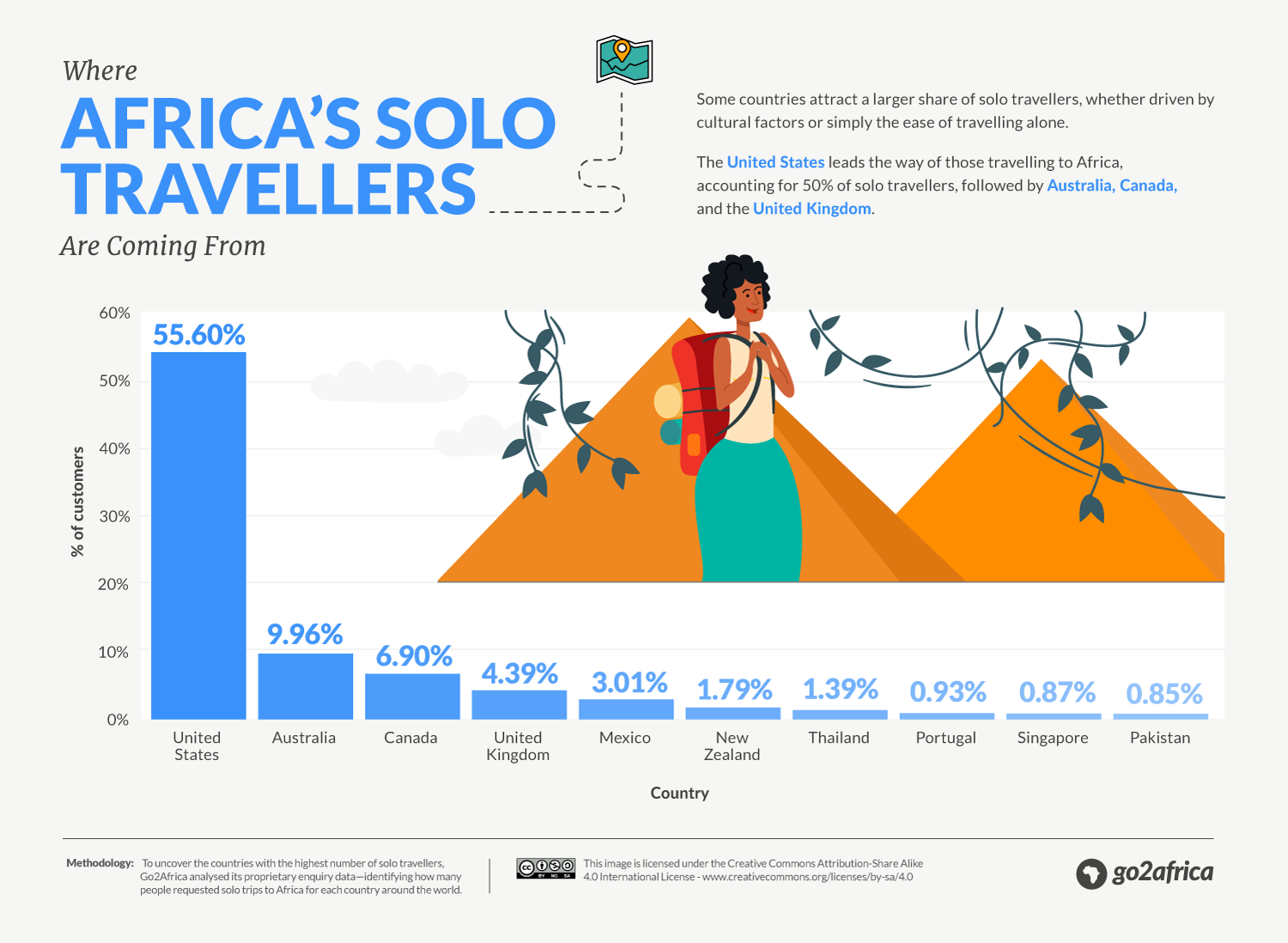
Solo travel is more than just a fad. More and more people every year are choosing to travel alone, whether to ...

Growing pressure on United Nations peacekeeping budgets, driven largely by declining US contributions, is forcing Africa to reconsider how security operations ...

Benin and Niger have formalized a commitment to reopen their shared border, closed since Niger’s 2023 coup, following talks between Benin’s ...

RTsim is a Dubai (UAE)-based technology company with nearly 30 years of experience in mathematical modeling and digital simulator development for the Energy Industry. While developing industrial operator training simulators for refineries and gas processing...
Presented by Kia for Groundbreaking Ocean Conservation and Storytelling The Nature, Environment and Wildlife Filmmakers (NEWF) proudly announces that the National Geographic Society has named Silindile Mbuyazi, a celebrated Dive Master and NEWF Dive Instructor,...
By Olivier Bustin, Projects and Finance Partner, Pinsent Masons Francophone Africa is emerging as a critical pillar of global mineral supply chains. The DRC supplies 70% of global cobalt and Guinea controls 25% of global...
Tuberculosis (TB) is not a medical mystery, writes AI Diagnostics CEO, Braden van Breda. It’s a detection failure. And with technology like AI at our disposal, he believes the MedTech industry has the power to step...
Kenya has appointed the Trade and Development Bank and the Africa Finance Corporation to arrange financing for a $1.2 billion expansion of Nairobi’s Jomo Kenyatta International Airport. The project aims to increase annual passenger capacity...
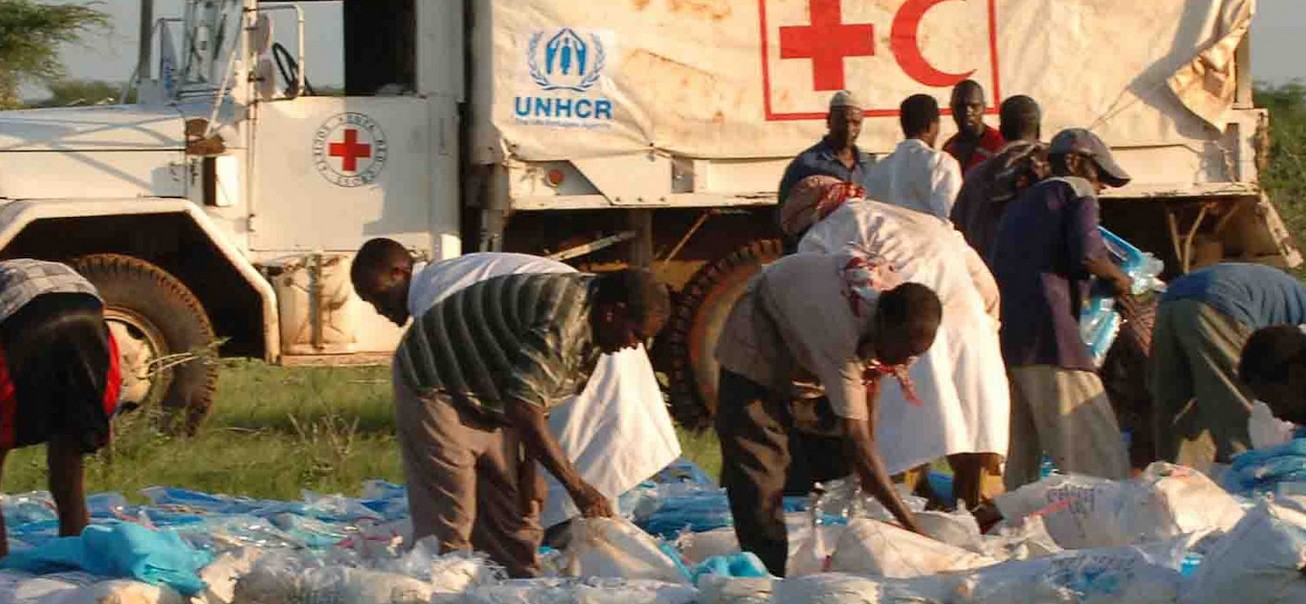
Kenya is pursuing an ambitious policy shift, the Shirika Plan, to gradually convert refugee camps into self-sustaining municipalities where refugees and ...
Happening
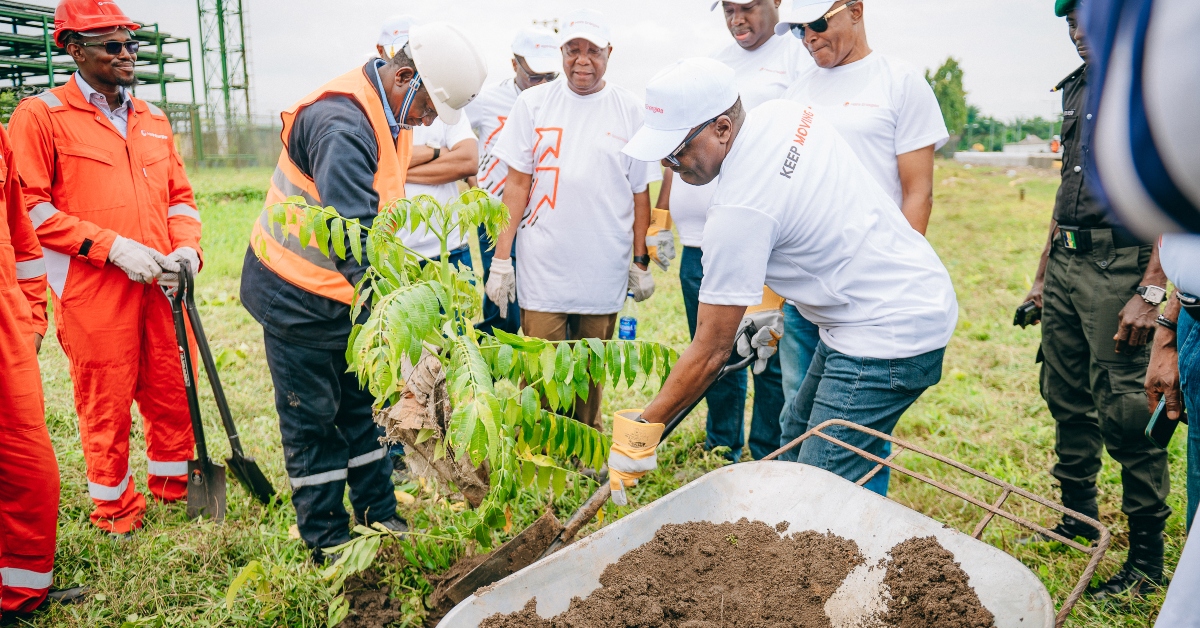
Heirs Energies has launched the Agbada Green Corridor Initiative, a tree-planting programme aimed at enhancing environmental sustainability, supporting biodiversity and strengthening ...
Headlines
Marketplace
Latest News