Eritrea


Flag of Eritrea
   

Eritrea

Video Source: Youtube
Flag Source: CIA World Factbook

Right Now


Eritrea’s location, between Africa, Europe, and the Middle East, has fostered political ties to all four corners of the world, and the ancient topography of the country makes for fertile soil that’s hospitable to abundant and diverse flora and fauna. Eritrea faces some political and environmental challenges; since its emancipation from Ethiopia in 1993, it is Africa’s youngest country.

Eritrea is also one of the safest countries in Africa, and many of its recent initiatives make it an emerging eco-friendly destination. In 2006, President Isaias Afwerki announced that Eritrea would be the first country in the world to place its entire coastline under environmental protection. The nation is also famous for its annual Tour of Eritrea, a multiday bicycle race held throughout country. Almost 80 percent of the population participates in subsistence agriculture, as the national economy is largely based on farming and her
ding.

Today the government is investing heavily in the Wefri Warsay Yika’alo program, an ambitious series of undertakings aimed at postwar recovery after a 30-year battle with Ethiopia that led to Eritrea’s emancipation in 1993. Its projects include improving ports, paving roads, and repairing educational, health, and economic infrastructures damaged during the war.

The Top 10: What to Do in Eritrea


1. Harnet Avenue: Central to Italy’s colonization of the area in the 1900s, Harnet Avenue is the most famous street in Asmara. It is a long, wide avenue lined with palm trees and bordered with buildings in perfect condition. We recommend taking a walking tour of this street’s amazing architecture, featuring Art Déco, rationalist, cubist, expressionist, futurist, and neoclassical styles from the Italian era, often all on the same block. Stops should include the governor’s palace, the opera house, and the Catholic cathedral, with its iconic bell tower.

2. Filfil: Sixty-one kilometers north of Asmara is Filfil, Eritrea’s last tropical forest, featuring plantations of coffee and fruit trees. This lush, green area is best seen from October to February after the rainy season, when you can catch glimpses of monkeys, baboons, gazelles, and leopards. At times the area is off-limits to travelers, so make sure to check with the Ministry of Tourism in Asmara before you head out.

3. Debre Bizen Monastery: Located in Nefast, east of Asmara, this site was founded in 1368 and contains more than a thousand manuscripts and relics. Mesmerizing views of the Dahlak Islands and Red Sea can be had from the monastery’s walls, and although it adheres strictly to the Orthodox custom of non-admittance for any females—including women, hens, and even donkeys—it is still worth a trip just for the views.

4. Keren: North of the capital is the third-largest Eritrean town, Keren, where camels outnumber humans and locals may rest in the shade of ancient baobab and acacia trees. A highlight of this otherwise quiet town is the central market, often called the most interesting market in the country. Here you can find traditional silversmiths near the centralized covered area, where daily items like fruits, vegetables, and household goods are sold. Back alleyways lead to cloth merchants, and farther past the well-maintained Italian cemetery is the grain market. On Mondays the riverbed is home to a scenic wood and camel market, providing an opportunity to experience the camels up close. At press time, northern Eritrea was closed to travelers, but check with the Ministry of Tourism because rules can change at a moment’s notice.

5. Qohaito: The archaeological ruins of Qohaito serve as reminders of Eritrea’s ancient commercial history. Home to remnants from a trade city between ports in the north and the former capital, Aksum, in the south, this site remains as much as 90 percent unexcavated. Among its current highlights are the Great Canyon, the Temple of Mariam Wakiro, an Egyptian tomb, the Saphira Dam, and the Adi Alauti cave and gorge, which contain ancient cave paintings. The walk to the cave features a great view of Mount Ambasoira, Eritrea’s highest peak.

6. Debre Libanos: One of our do-not-miss recommendations for Eritrea is Debre Libanos, often referred to as Debre Hawariyat. Dating to the sixth century A.D., this monastery, carved into the side of a dramatic cliff, is accessible only from the isolated village of Hamm. A two-hour hike by foot from nearby Haaz involves a steep and challenging descent into this must-see site, worth the hassle for its breathtaking view. As is customary, this monastery strictly enforces the Orthodox rule that forbids women to enter the site, so plan accordingly.

7. Massawa: For centuries this city has been home to one of the world’s most important ports. Today the “Pearl of the Red Sea” has Massawa Island, where you might grab a coffee and lose yourself in the alleys and side streets, which feature whitewashed palazzi and a 17th-century coral block house.

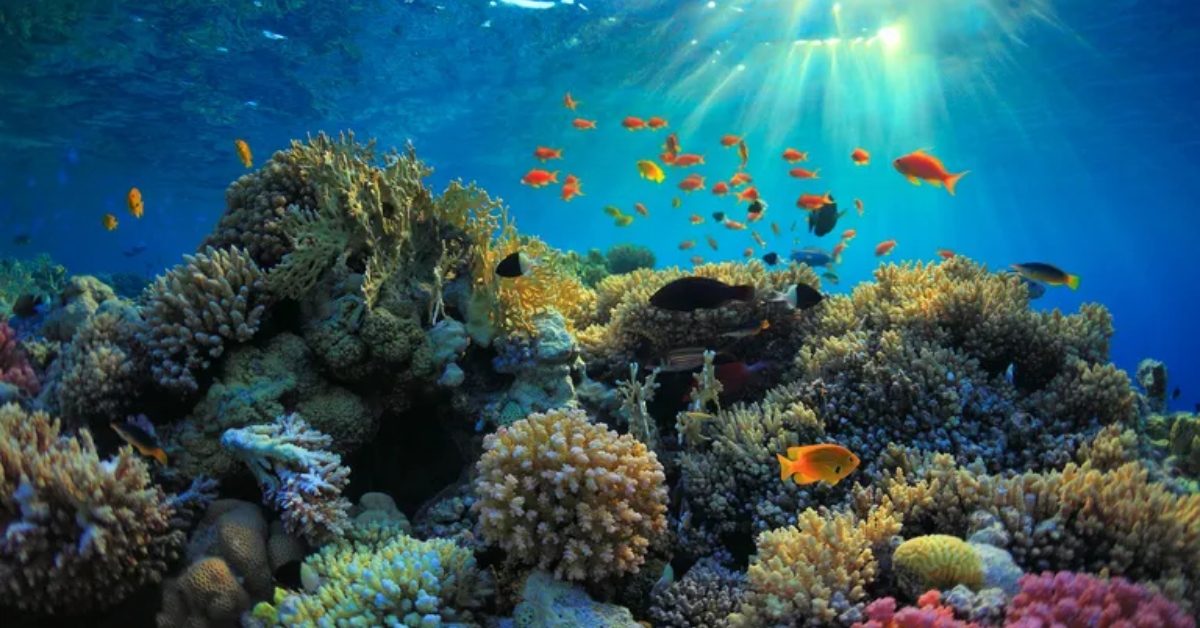
8. Dahlak Islands: Scuba-diving trips to the Dahlak Islands of the Red Sea offer an alternative to the kind of overpriced, pampered excursions found elsewhere, and they appeal specifically to those with an adventurous bent. The reefs around the islands are nearly untouched by tourists, and nearby diving offers glimpses into history, with World War II Italian warships, Russian tankers, and Ethiopian cargo boats. This area is best known for its huge populations of fish species.

9. Birding: Bird watching is a popular tourist activity all over Eritrea. Migration patterns increase the species count on the coast from February to April and September to November, and visiting twitchers can often return home having sighted more than 250 species.

10. Passeggiata: A trip to Eritrea is not complete without a cappuccino in Asmara and a viewing of the daily ritual of passeggiata, from about five to six-thirty in the evening. A well-positioned seat at a sidewalk café grants the sight of locals slowly walking up and down the streets, chatting, catching up, window shopping, and gossiping. The women in Asmara take pride in looking their best for this daily activity, and the men don’t disappoint, either, in their bespoke suits and Borsalino hats. This easygoing exchange is a throwback to the times of Italian colonialism and makes a great way to end a day in the capital city. 

When to Go


The hottest month of the year is May, although regional temperatures vary widely. The capital city of Asmara, located on the highest landmass of the African continent, has an average temperature of 86 degrees Fahrenheit, while the port city of Massawa, on the Red Sea, can reach as high as 122 degrees Fahrenheit (50 degrees Celcius.) The Denakil Depression, on the coast, is the country’s lowest point, at 426.5 feet (130 meters) below sea level, and is considered one of the hottest places on Earth. Try to avoid the two rainy seasons: the first is marked with scattered storms from March through April. The second, wetter rainy season begins in June and extends to September.

123


africa

About Us | Contact Us | Careers | Privacy Policy | Terms of Service | Digital Millennium Copyright Act | Newsletter Africa.com Newsletter | RSS Feed Africa.com RSS | Advertise With Us

Copyright © Africa.com 2012. All Rights Reserved.