Wednesday, June 10, 2026 - 04:18:34
Loading weather…
Your trusted source for daily news, politics, business, innovation and culture from across the continent.
Business & Innovation




Features & Opinion
Arts, Culture & Society

Celebrate the Release Live at Emperors Palace on 13 June Multi-award-winning South African singer-songwriter Bongeziwe Mabandla has announced his new album, ...
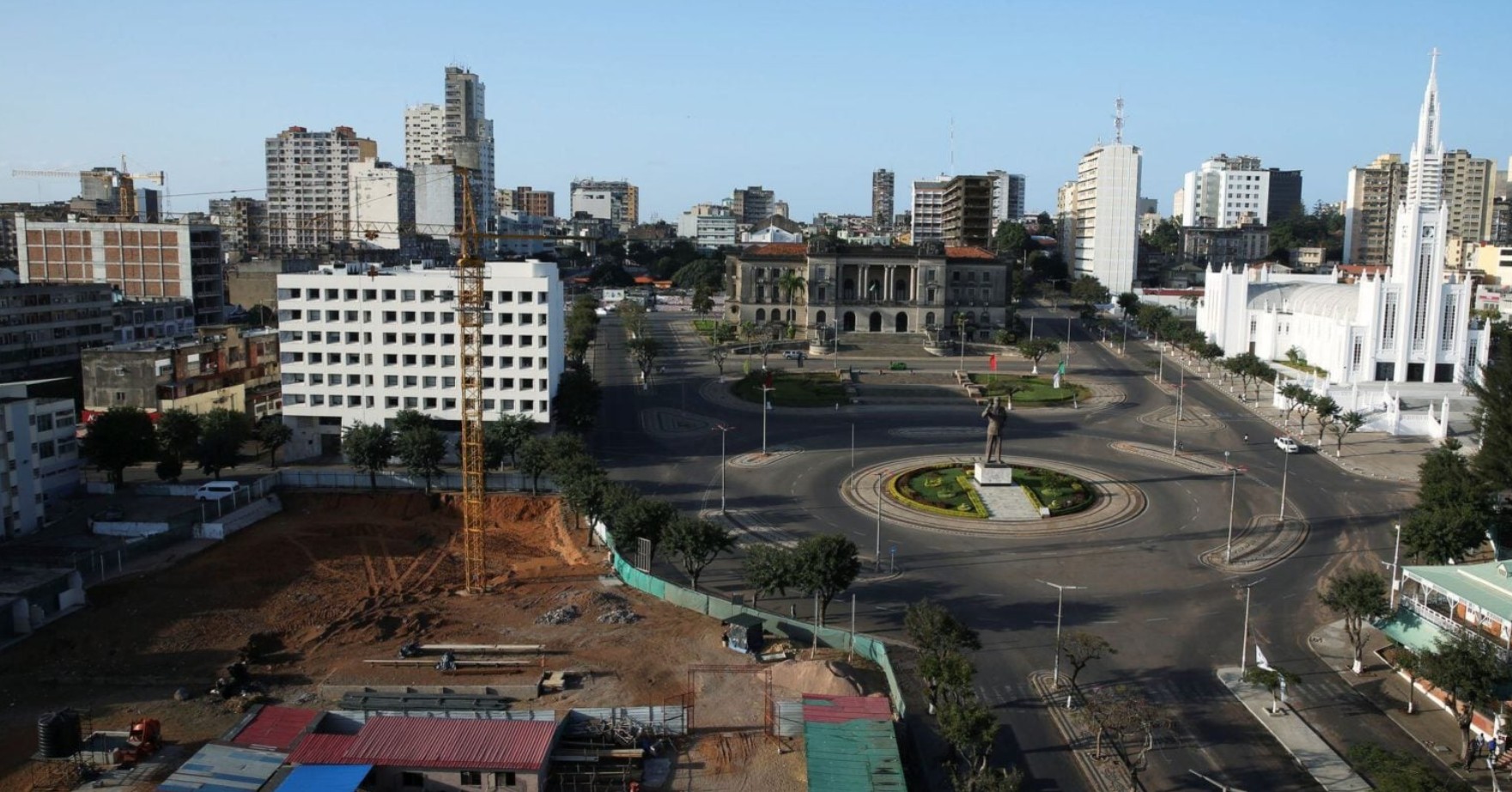
Mozambique has introduced a new mining law requiring the state to hold a minimum 15% stake in all mining ventures and ...
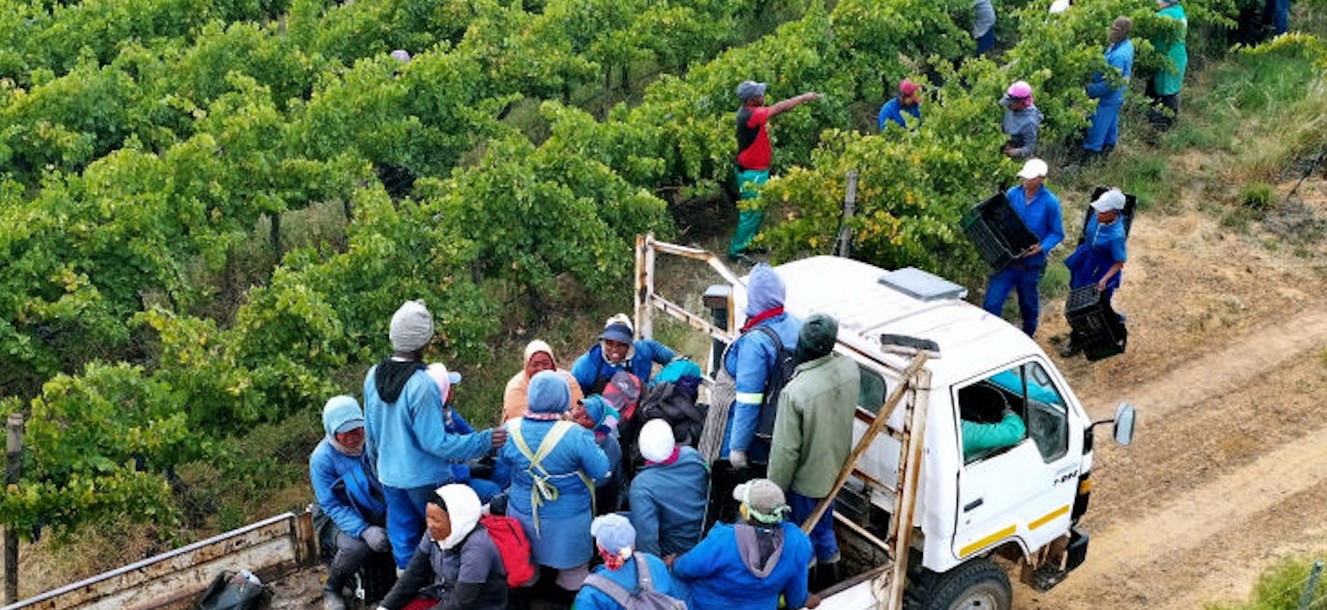
New research suggests that tackling poverty among workers in global supply chains requires bigger structural changes than traditional compliance programs. Although ...

By Dr Mbongiseni Buthelezi Africa Month cannot be reduced to an annual ritual of pride, symbolism and memory. It must be a moment of reckoning. It should compel us to ask a difficult but necessary...
The traditional pathway from education to employment is breaking down. South Africa needs to reckon with that before the window closes. By Riaz Moola, CEO at HyperionDev At a time when global employers are struggling...
By Eric Osiakwan Africa’s richest man Aliko Dangote is planning a London listing of his cement business this year, after announcing a multi-exchange African listing of his refinery. Dangote Cement which is already listed on...
Deep within the Greater Kruger region, premium travel is undergoing a profound evolution. Today’s discerning traveller looks far beyond world-class game drives and plush suites; they seek an experience that respects the soil beneath their...
By Shola Khosa, Senior Solutions Architect at Data Management Professionals South Africa Traditionally, cyber recovery planning has been centred on data, systems and infrastructure, yet the one element that determines whether any recovery can actually...
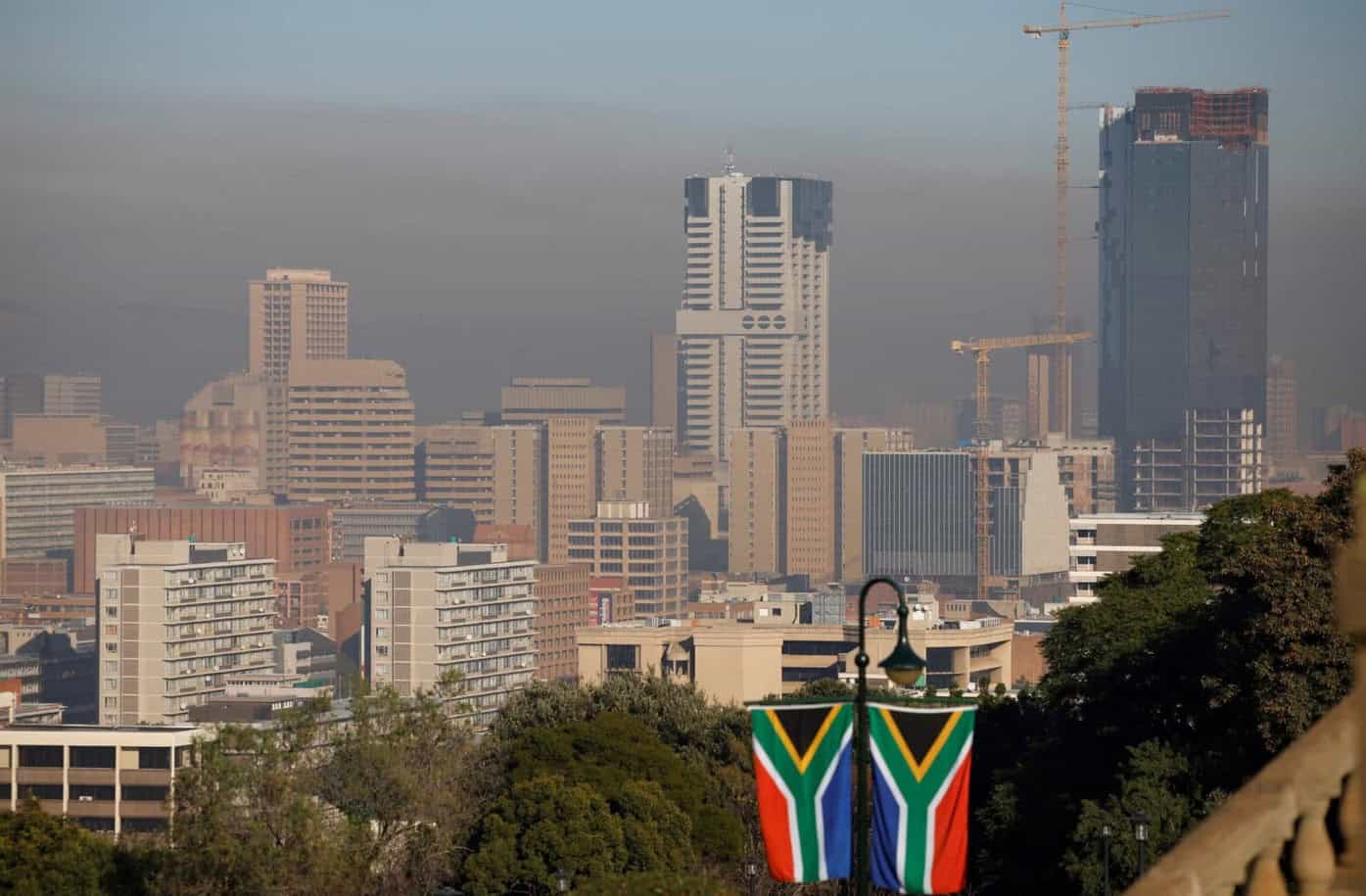
Africa recorded strong growth in the number of high-net-worth individuals in 2025, according to the Capgemini Research Institute’s World Wealth Report. ...
Happening

Africa possesses vast natural resources and growing ambition. Now is the time to ignite the power revolution. Ministers, utilities, investors, developers, ...
Headlines
Marketplace
Latest News