Cameroon


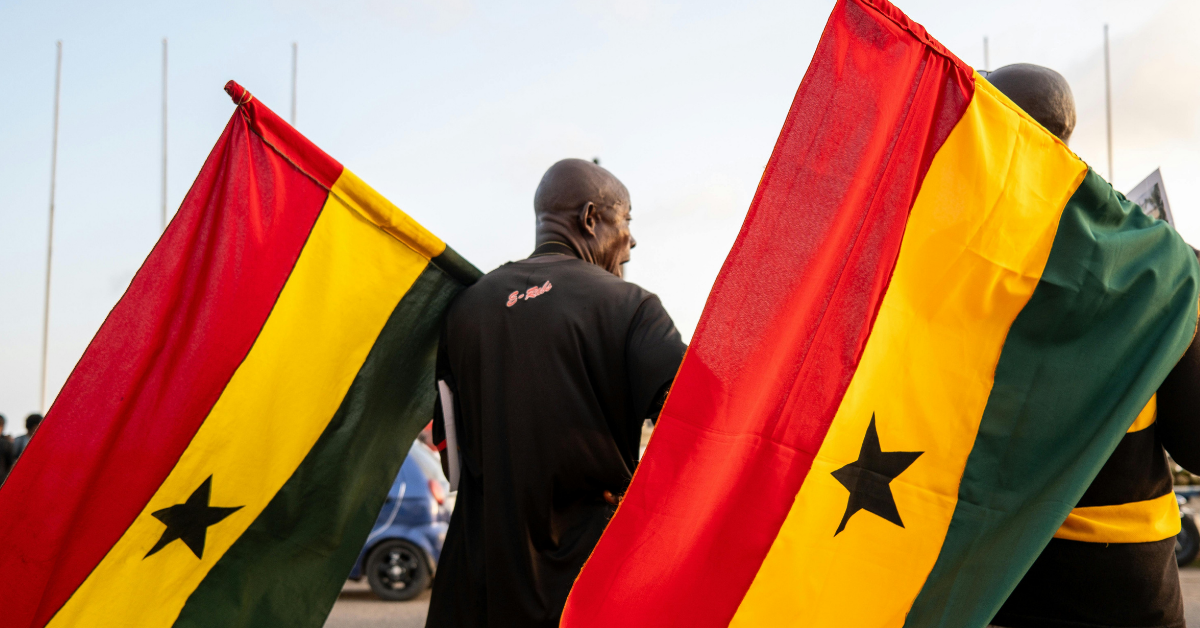
Flag of Cameroon
Learn more about
Cameroon

Visit Africa.com's
Facts & Figures Section
   

Cameroon

Video Source: Youtube
Flag Source: CIA World Factbook

Right Now


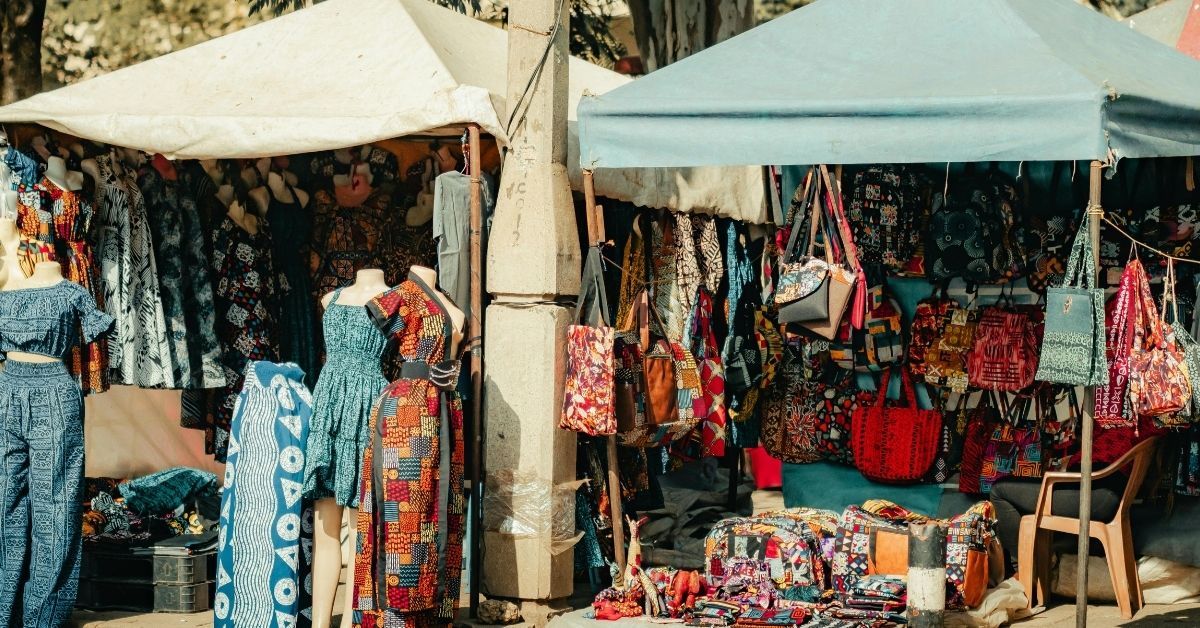
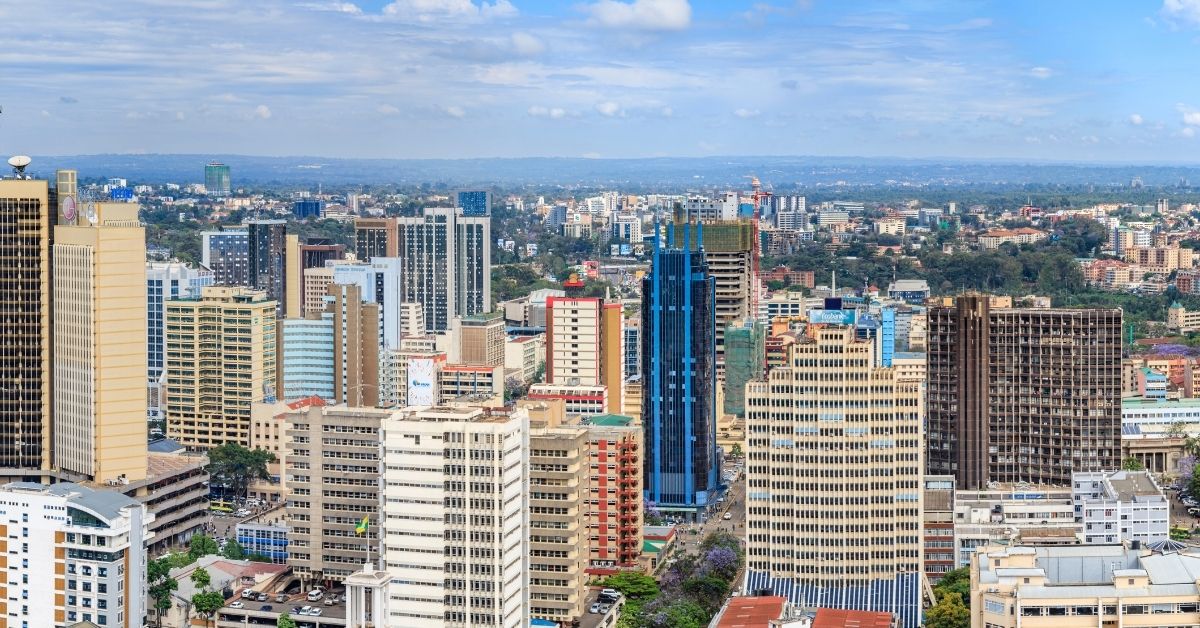
Often referred to as “Africa in Miniature,” this California-size country offers plenty to do within its borders. Cameroon's largest city, Douala, is one of the most important economic centers in Central Africa, and Yaoundé, Cameroon's capital, is over 100 years old and full of stories. In addition, Cameroon has a diverse landscape ranging from gorgeous tropical beaches to breathtaking mountain vistas. Cameroon's Atlantic coast alone has been an important and scenic sailing destination for hundreds of years. The country is not only rich in wildlife and flora; with more than 200 ethnic groups living under one flag, Cameroon is steeped in cultural heritage, arts, crafts, and history.


The Top 5: Local Advice


1. Musée de Douala: A must-see for art aficionados, this museum is located inside Douala City Hall, also known as the Hôtel de Ville de Douala. Featuring collections of Bamoun and Bamileke art, the Musée de Douala contains thrones, statues, and more relics from the country’s precolonial period. The building also has a shopping area with wood and brass sculptures available for purchase.
 
2. Limbe Botanical Garden: Founded by a group of Germans in 1892, the Limbe Botanic Garden served initially as a test center for crop species foreign to Cameroon, among them coffee, cocoa, rubber, and sugarcane. A 1988 renovation of the garden brought a new focus on conservation to the organization, encouraging the protection of Cameroonian forests and sustainable agricultural practices. It makes for a peaceful escape from bustling Limbe and features thematic gardens, large trees, and picturesque views of nearby Mount Cameroon.
 
3. Mile Six Beach: In the Southwest province, along the coast of the South Atlantic Ocean, lies Mile Six Beach, renowned for its perfect surfing waves. Not too crowded but close enough to be convenient, Mile Six offers a calm setting for picnicking, sunbathing, and other beach activities. Nearby Korup National Park has more than 50 species of mammals and three forest reserves.
 
4.  Mangrove Swamps: One of the most easily accessible West African bird-watching locations, Cameroon’s mangrove swamps are also some of the richest. Because of its 900-some species of birds, we recommend covering a combination of both highland and lowland areas for the best mixture of specialty and endemic species.
 
5. Hike Mount Cameroon: Mount Cameroon, at 13,353 feet (4,070 meters,) is the highest point in Cameroon. It rises almost straight out of the coast, through a tropical rain forest, and has a bare summit that is sometimes dusted with snow. An active volcano, Mount Cameroon trickles lava down almost all the way to the sea, although it’s difficult to see the peak of the mountain because of cloud cover. Debuncha, at the southwestern corner of the mountain, is said to be the second-wettest place in the world.
 
6. Korup National Park: Recognized as Africa’s oldest and most diverse rain forest, Korup National Park is located in the Southwest province of Cameroon at the base of Mount Cameroon. The park features more than 620 species of trees and shrubs, 480 species of herbs, 400 species of birds, and an astonishing 1,000 species of butterflies. Known for its large selection of primates, Korup contains a variety of rare and endangered monkeys like the chimpanzee, red-capped mangabey, and red-eared monkey. Over 160 types of mammals live in the park, along with 130 kinds of fish. Mangrove swamp tours by boat around the Pelican Islands afford a peek into the fishing villages situated on the riverbanks.
 
7. Ring Road: The path that connects the most well-known attractions of Cameroon is known as Ring Road. Located in Bamenda in the Northwest province of Cameroon, the area has a picturesque, hilly horizon and an English-speaking population. Ring Road makes for an easily accessible (but slightly bumpy) way of seeing a number of attractions in a defined setting.
 
8. Parc National de Waza: Open from November until June, Waza National Park can claim the prize as Cameroon’s most famous national park.  Featuring snapshot-worthy animals, the park can be viewed by automobile (a park guide is required for each vehicle). While camping isn’t allowed within the confines of the park, accommodations are available in the nearby village of Waza.
 
9. Kribi: A relaxing beach resort and seaport on the Gulf of Guinea coast, Kribi is located near the mouth of the Kienké River, approximately 49.5 miles (80 kilometers) south of Doula. Among the nearby attractions are the Lobé Waterfalls, and roads inland extend as far as Lolodorf, through the Littoral Evergreen Forest. A great spot for tanning and relaxing on sandy beaches, Kribi is a good halfway point to Gabon and Equatorial Guinea via the border town of Ebolowa.
 
10. Dja Faunal Reserve: Listed as a UNESCO World Heritage Site, Dja Faunal is a protected rain forest with an assortment of flora and fauna. Ninety percent of the area having been left undisturbed, the reserve is guarded by the Dja River, which creates a natural barrier against the outside world. With its 107 mammalian species, this area protects five endangered ones. 


When to Go


The best months for travel to Cameroon are January through April, when temperatures are moderate and the climate is dry. Luckily for you, the lowest airfares can also be found during that time. Be mindful of your terrain. Often, the mountains and plateaus can register a significant drop in temperature or a change in weather, while the coast is often warmer and more humid.

123


africa

About Us | Contact Us | Careers | Privacy Policy | Terms of Service | Digital Millennium Copyright Act | Newsletter Africa.com Newsletter | RSS Feed Africa.com RSS | Advertise With Us

Copyright © Africa.com 2012. All Rights Reserved.