Cairo
Video Source: Youtube
Flag Source: CIA World Factbook
Right Now
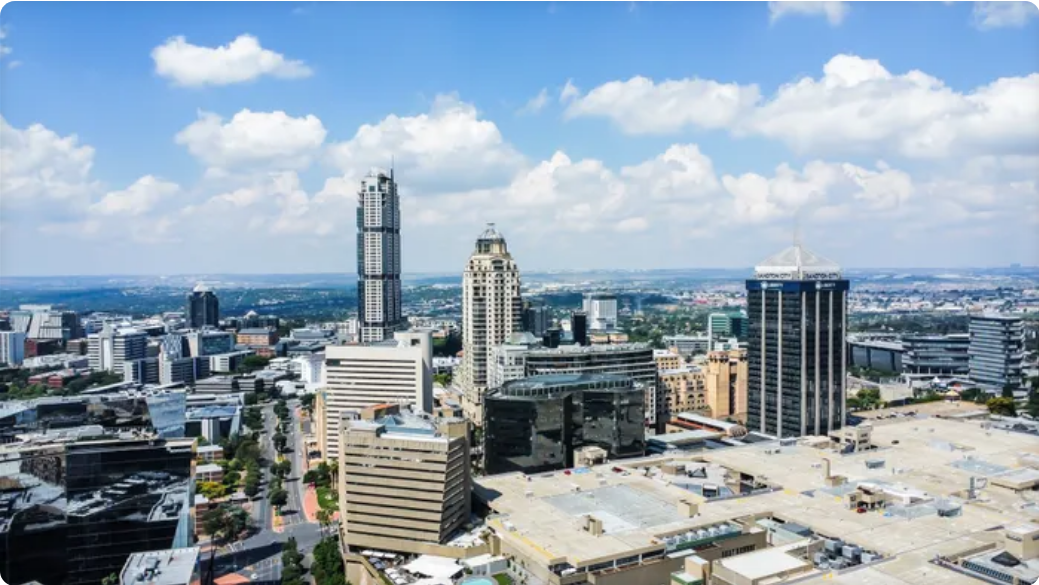
Meaning “the victorious city,” Cairo is the capital of Egypt and the largest city in Africa, populated by more than 18 million people. Spanning both banks of the Nile River in northern Egypt, the area has been home to numerous Egyptian civilizations spanning as far back as 6,000 years and is only a short drive away from the world famous pyramids of Giza. Known locally as “Misr,” the Arabic word for Egypt, the city is central to Egyptian life and is home to a fascinating mix of old world tradition and modern technology.
The Top 10: What to Do in Cairo
1. Felucca Ride on the Nile: One of the best ways to experience the river that has nourished Egypt’s population since its inception is by sailing on one of these flat bottomed boats. A felucca is an ancient Egyptian traditional sailing boat, and their billowing white sails can be seen smoothly gliding along riverbanks all over the city.
2. Pyramids and the Sphinx: While undoubtedly crowded, no trip to Cairo would be complete without a trip to nearby Giza to gawk at these giant ancient monuments. An unforgettable sight, just remember to bring your water and some sunscreen, as there is little respite from the sun’s scorching rays in this area.
3. Egyptian Museum: The gallery of artifacts in this collection can at first seem overwhelming: not only are they historically priceless, but the sheer volume of pieces can be mind-boggling! Opened in 1902, the building contains 107 chronologically divided halls featuring mummies, jewels, and other artifacts from ancient ages. Try to find a guide that will lead you on a tour of the awe-inspiring highlights.
4. Bab Zuweila Gate: Set slightly past one of the most sacred sites in Egypt, the Sayyidna al-Hussein Mosque, is a bustling street market full of treasures to be discovered. Located within this market is the gate of Bab Zuweila, the only gate remaining from the southern wall that bordered the old city. A paradox of old and new set against each other, this gate serves as a meaningful reminder of the city’s ancient origins.
5. Khan Ali-Khalili: Cairo’s biggest open-air market, this bazaar features row after row of souvenirs, spices, perfumes, jewelry, and more. Established in the 14th century, many of the vendors have been in the business for generations. The price on the label is never fixed, so hone your bargaining skills and come explore.
6. Cuisine: A favorite for locals and travelers, the restaurant Felfela is a chain that features delicious Egyptian cuisine in a well-maintained, authentic atmosphere. Known for its friendly wait staff, expert chefs, and extensive menu options, Felfela provides a memorable culinary experience for tastes that range from tame to the most adventurous of palettes.
7. Mosques: Located in the neighborhood of Midan al-Hussein, Al-Hussein Mosque is easily one of Cairo’s most beautiful. Featuring high vaulted ceilings, gray marble pillars, and hanging chandeliers, slow-walking pilgrims often circle the shrine to Hussein chanting their daily prayers.
8. Old Cairo: Also known as Coptic Cairo, this quiet neighborhood features two important sites, the crypt of the Holy Family under St. Sergius Church, and the Nunnery of St. George. Of particular interest in this area is the Ben Ezra Synagogue, rumored to be the exact spot where baby Moses was hidden among the reeds in the Bible’s Old Testament. A visit to the Old Cemetery completes an afternoon of quiet reflection on this city’s diverse ethnic heritage.
9. Babylon Fort: This fort serves at the entrance to the neighborhood of Coptic Cairo, the area settled by the very first Arab armies. Named Kheraha in ancient times, the city’s name was eventually changed to Babylon, and Persians built the fort to protect their city from invading Romans. All that remains today are the large towers that guarded the fort’s entrance, a skeleton of which you can see to the left if you’re facing the Coptic Museum. The Greek Orthodox Church of St. George is built atop the ruins of the second tower to the right.
10. Arab Music Festival: Each November, Cairo becomes home to this carnival of Middle Eastern-influenced artists. Housed in the Cairo Opera House, concerts include classic, traditional, and orchestral selections with Western and jazz influences.
When to Go
Cairo experiences two seasons per year: a relatively warm winter from November to April, and a scorching summer that begins in May and extends until October. Your best bet is to travel to the city between November and March to take advantage of the cooler temperatures. Cairo receives very little rainfall, so no need to worry about a rainy season when determining your travel plans.