Burkina Faso
Video Source: Youtube
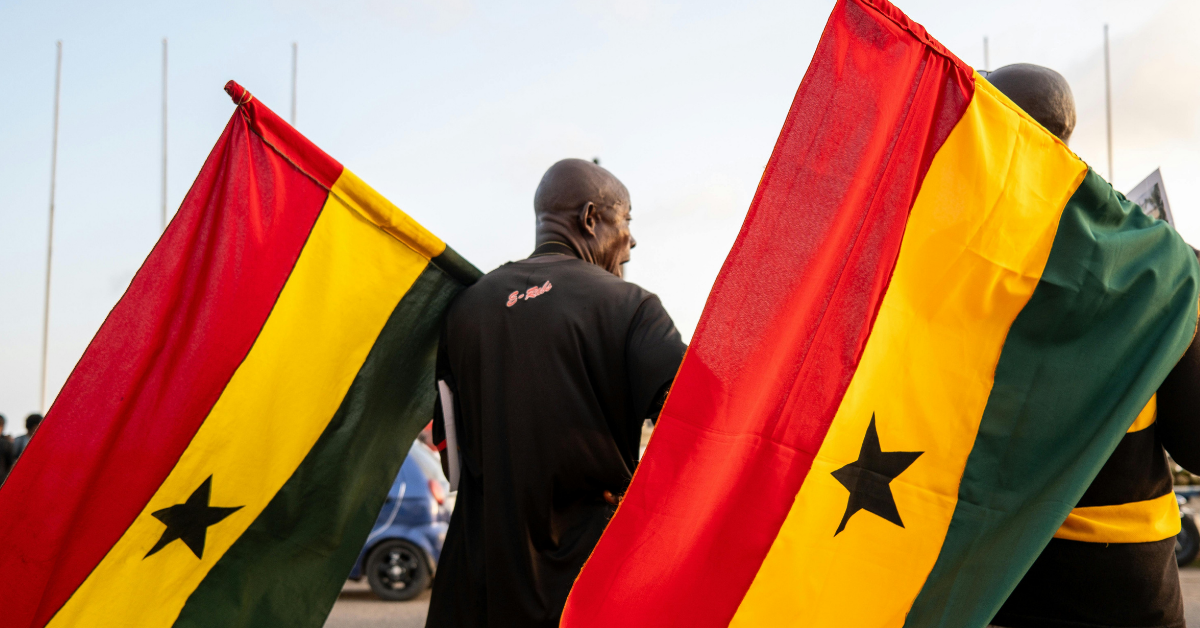
Flag Source: CIA World Factbook
Right Now
Some might call Burkina Faso, a West African nation formerly known as Upper Volta, one of the lesser-known nations on the continent. That’s certainly no reflection of the cultural and natural marvels this small country has to offer. Despite a struggling economy, a series of droughts, and an unpredictable political scene, the Burkinabe are relentlessly friendly and fiercely proud of their cultural heritage, which make Burkina Faso such a wonderful place to visit. With mud-built mosques, troglodyte villages, and the largest elephant population in West Africa, this jewel of a nation shines as brightly as the smiles of its people and will leave a lasting impression in the hearts and minds of any who visit it.
The Top 10: What to Do in Burkina Faso
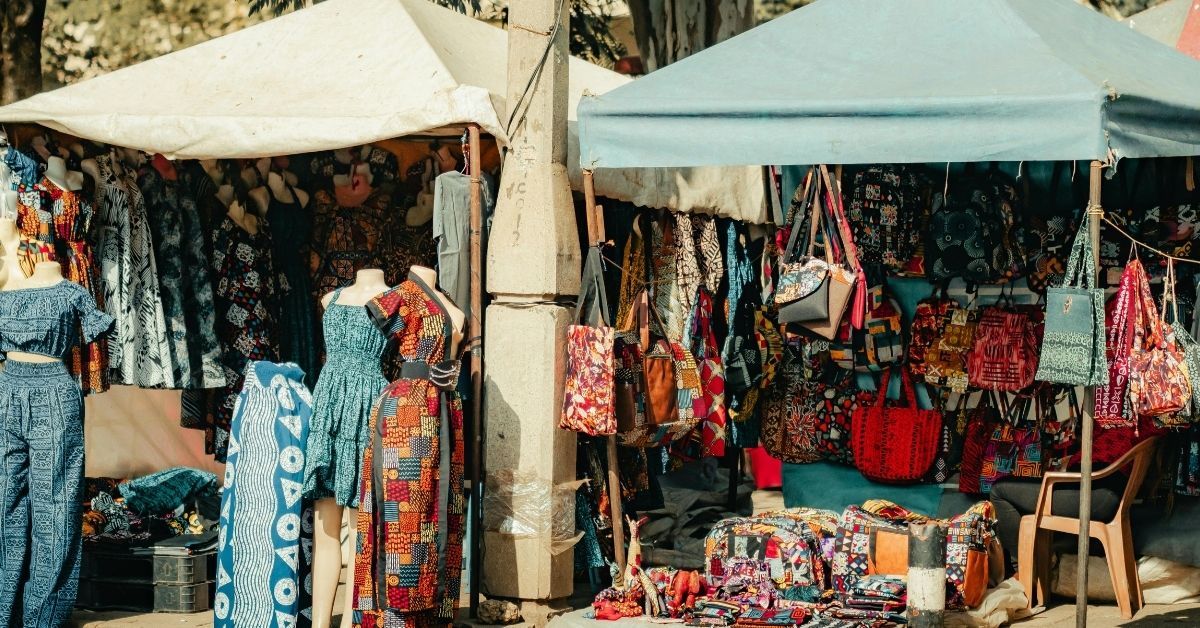
1. Bobo Dioulasso: Referred to simply as “Bobo” by most Burkinabe and visitors, the second-largest city in Burkina Faso is also a thriving cultural center, drawing musicians and artists from all over Burkina and from surrounding countries. Every other year in March, over a thousand artists and musicians attend the Semaine Nationale de la Culture (National Culture Week), which highlights and encourages the nation’s spirited way of life. Bobo is a beautiful town with tree-lined streets, shady courtyards, and creeping bougainvillea. Take a private tour of the Sudanese-style Grand Mosque, constructed in 1880; amble through the Marché Central, where vendors sell jewelry, crafts, clothing, and food under canvas awnings; visit the Musée Houet, where artifacts and crafts recall the city’s past, and enjoy an evening performance by local musicians in a maquis, the West African version of a nightclub. Bobo is charming, timeless, and a must-see for anyone visiting Burkina Faso.
2. W National Park: The name of this park in eastern Burkina Faso comes from the shape the Niger River forms in the northern end of the park. It is the largest trans-border wildlife reserve in West Africa (the park extends to nearby Niger and Benin) and is a major ecotourism destination. W is home to elephants, lions, cheetahs, hippopotamuses, buffalo, antelope, and hundreds of bird species. The tourism infrastructure on the Burkina side is a little primitive, and the best way to explore the park is by camping overnight. Though the safari experience here may not be as comfortable as those on the big East African game reserves, you’re guaranteed to see plenty of impressive animals up close and in their most natural state.
3. Sindou Peaks and Niang Sokoné: These unusual rock formations, not far from Banfora in southwestern Burkina, are craggy peaks that look like the teeth of a saw. Hire a guide onsite to give you a tour of the area. A guide can also take you onward to Niang Sokoné, a troglodyte village an hour from the Sindou Peaks. The village, made up of boxlike dwellings leaning against the cliffs, is perched at the top of a small escarpment and was once where the Ouara people took refuge from the Senoufo. The climb up to the village is steep, but the breathtaking views are worth it.
4. Banfora: Banfora, the second-largest town in the southwestern region of the country, has the charm of a small village. Merchants from around the region flock to Banfora’s market on the weekends. Hire a guide to take you to the Karfiguéla Falls, and bathe in the pools above the falls. After that, take a small walk to the Fabédougou Domes; these tall, eroded granite rocks resemble mushrooms.
5. Lobi Country: Located in southern Burkina Faso, close to the Ivory Coast, is the homeland of the Lobi people. Seven ethnic groups make up the Lobi society, each with a different language but all with similar styles of architecture and a strong devotion to animism. A visit to a Lobi village might include a viewing of local pottery making and blacksmithing.
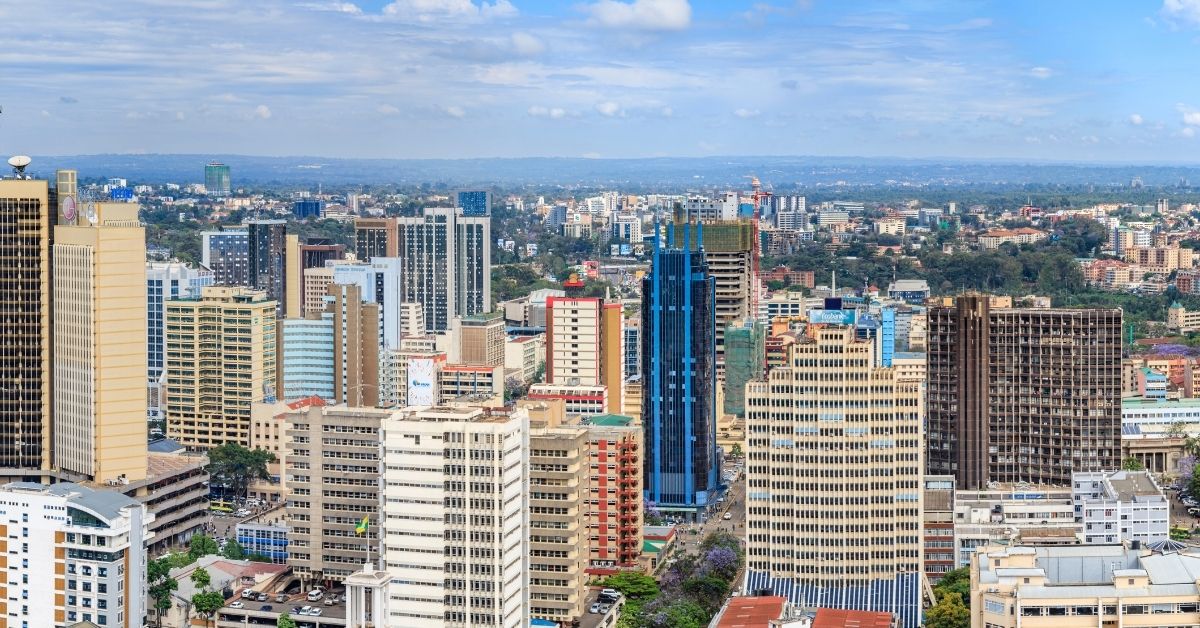
6. Ouagadougou: Burkina’s capital city, a bustling metropolis with a modern West African vibe, serves as the political and cultural core of the nation. The FESPACO and SIAO festivals both take place here, and theater, fine arts, music, and literature also thrive in Ouaga. Wander through the vibrant Grand Marché, visit the unrivaled Musée de la Musique (Music Museum), or see a Burkinabe film at one of Ouaga’s several cinemas. Despite the air pollution and the crowds, Ouaga’s spirit is purely Burkinabe.
7. Sahel Camel Safaris: In the north of Burkina Faso is the Sahel. Not quite a desert, this region is wild, dry, and dusty and is home to a few nomadic societies. Hire a guide to take you on a camel excursion from a number of local villages. The excursions can last anywhere from a few hours to several days, camping included.
8. Nazinga Ranch Game Reserve: Located three hours by car from Ouagadougou, Nazinga Ranch is the best place in Burkina, and possibly in all of West Africa, to see elephants, antelope, monkeys, baboons, crocodiles, and warthogs. Two Canadian brothers who shared a love for wildlife and a fear for the future of Burkina’s protected animals at the hands of poachers created the reserve in the 1970s. There is a camp with bungalows, apartments, and a dormitory for overnight visitors.
9. Gorom-Gorom: If you are traveling north to experience the Burkinabe Sahel, make a stop in Gorom-Gorom, the capital of its region, which has easy access to other towns in the region, such as Makoye and Oursi. The climate in Gorom-Gorom is extremely hot, dry, and dusty. This is par for the course in the Sahel, especially during the Harmattan season, when the wind blows sand south from the Sahara. On Thursdays, merchants from surrounding villages, as well as nomadic Tuareg and Peul peoples, flock to Gorom-Gorom for the market. The streets are packed with colorfully dressed vendors, horses, and camels. There is also a lively cattle market where one can purchase cattle (including the humped zebus), horses, donkeys, and goats.
10. Crocodiles at Bazoulé: If the trek to Nazinga or W is too far for you, head to Bazoulé, a short drive from Ouagadougou. The town is home to the most famous crocodile pond in all of Burkina Faso, with roughly 50 sacred crocodiles. The entrance fee to the pond is small, and for another small sum the brave can feed the wild beasts lunch.
When to Go
Burkina Faso has four “seasons.” The early dry season is from September to November; the middle dry season is from December to February, the late dry season is from March to May, and the wet season is from June to September. We recommend going between November and February, when the weather is dry and not too hot, and we discourage you from planning a trip during the late dry season and the start of the wet season before the rains come, as the heat can be intense and very uncomfortable.
You cannot go wrong with a visit to Ouagadougou in February of any odd-numbered year when FESPACO (Panafrican Film and Television Festival of Ouagadougou), the largest film festival in Africa, takes place. In October of any even-numbered year SIAO (International Art and Craft Fair), one of the largest crafts fairs in Africa, is worth a visit. Visit Bobo-Dioulasso in March of any even-numbered year for the Semaine Nationale de la Culture (National Culture Week).