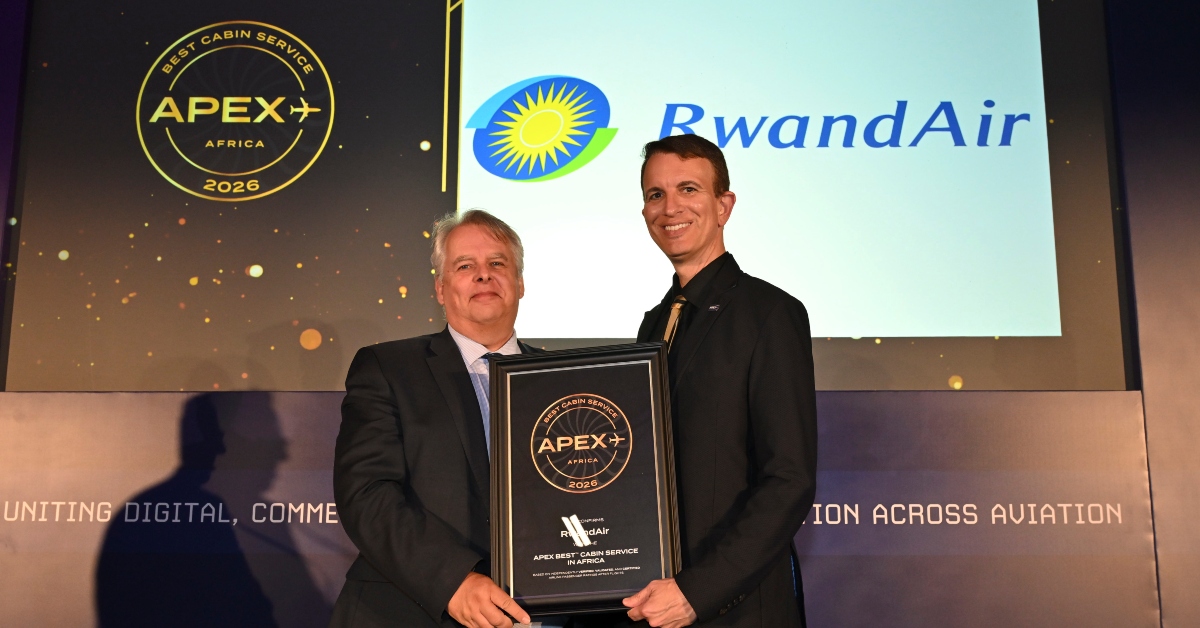
Wednesday, June 17, 2026 - 11:08:44
Loading weather…
Your trusted source for daily news, politics, business, innovation and culture from across the continent.
Business & Innovation




Features & Opinion
Arts, Culture & Society

Angela Yeung spent 50 days climbing Everest via the North Side and turned every metre of it into an act of ...

A significant share of the countries targeted by the Trump administration’s expanded immigration restrictions are African nations that rank among the ...
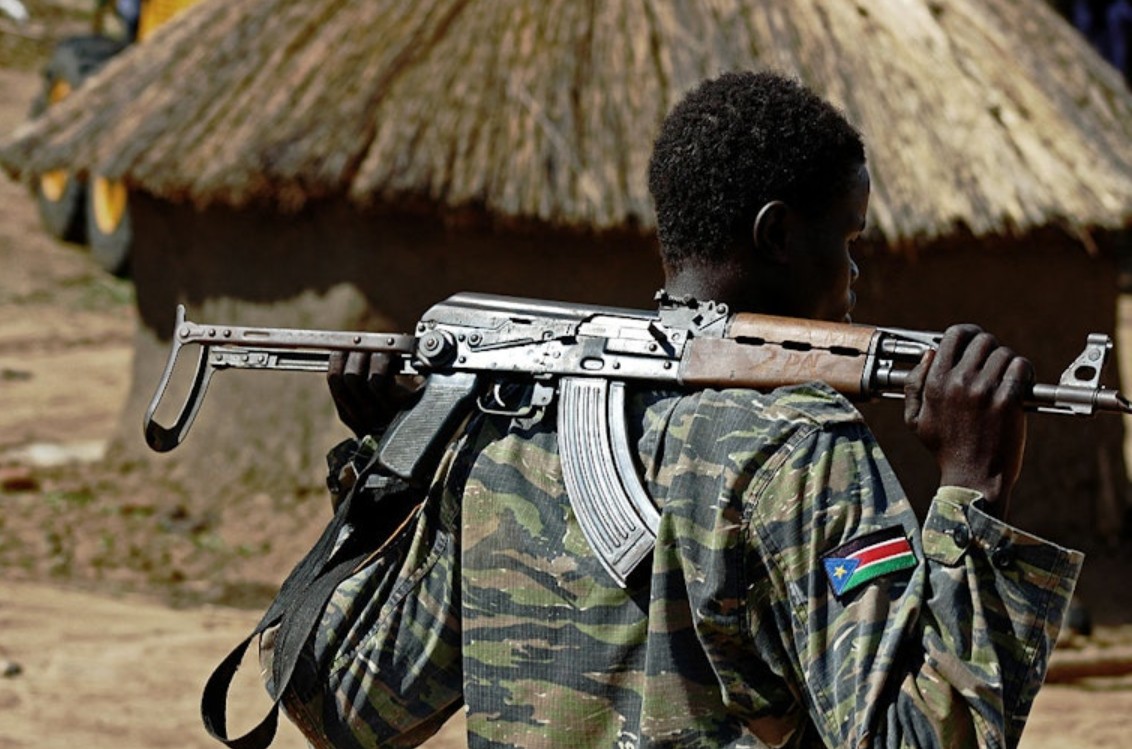
New research cross-referencing USAID disbursements with conflict data across 870 African regions has linked the abrupt reduction of US foreign aid ...

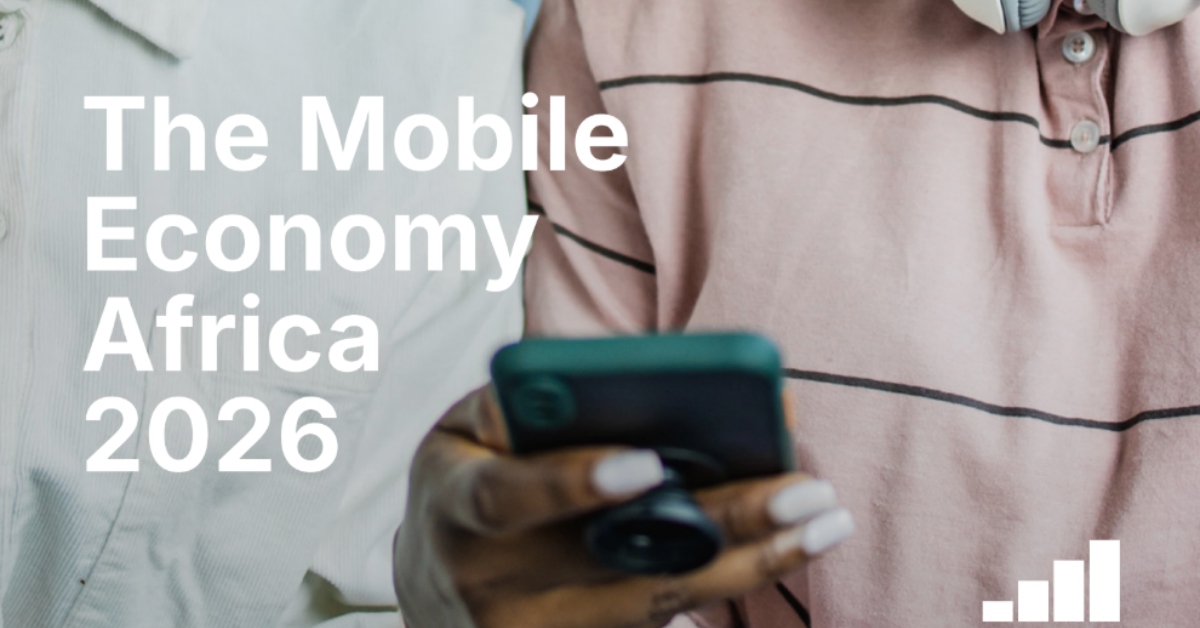
As The Continent Enters A New Phase Of Digital Transformation New GSMA report highlights how AI, digital services and mobile connectivity are driving economic growth across Africa, while affordability remains a key barrier to digital...
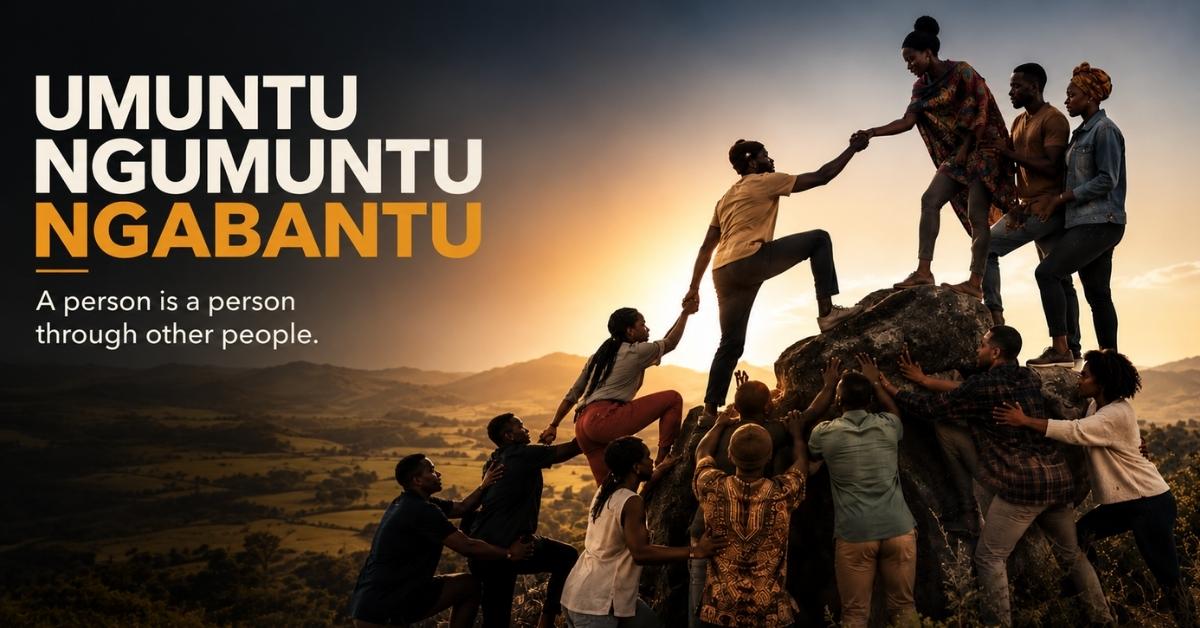
The media is replete with reports of leadership crises. On the contrary, South Africa does not have a leadership crisis. It has a humanity crisis in leadership. This is not a dramatic claim. It is...
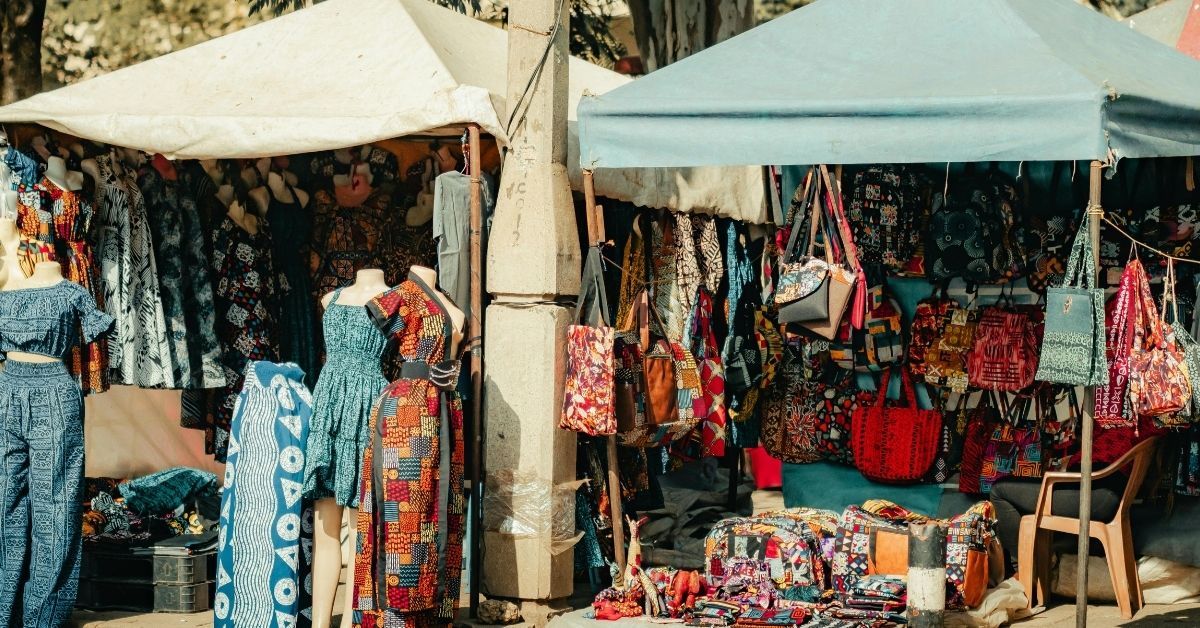
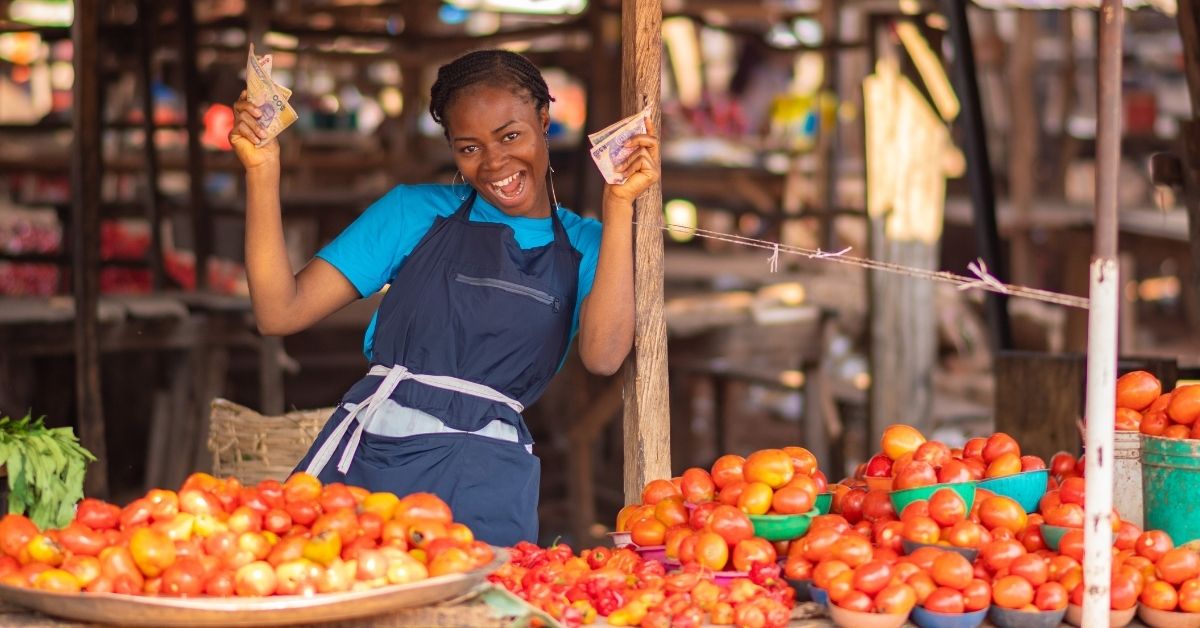
Across rural Kenya, women run the most reliable small businesses in their communities — and for decades, traditional banks called them too risky to lend to. In 2014, a small Nairobi-based social enterprise called Cherehani...
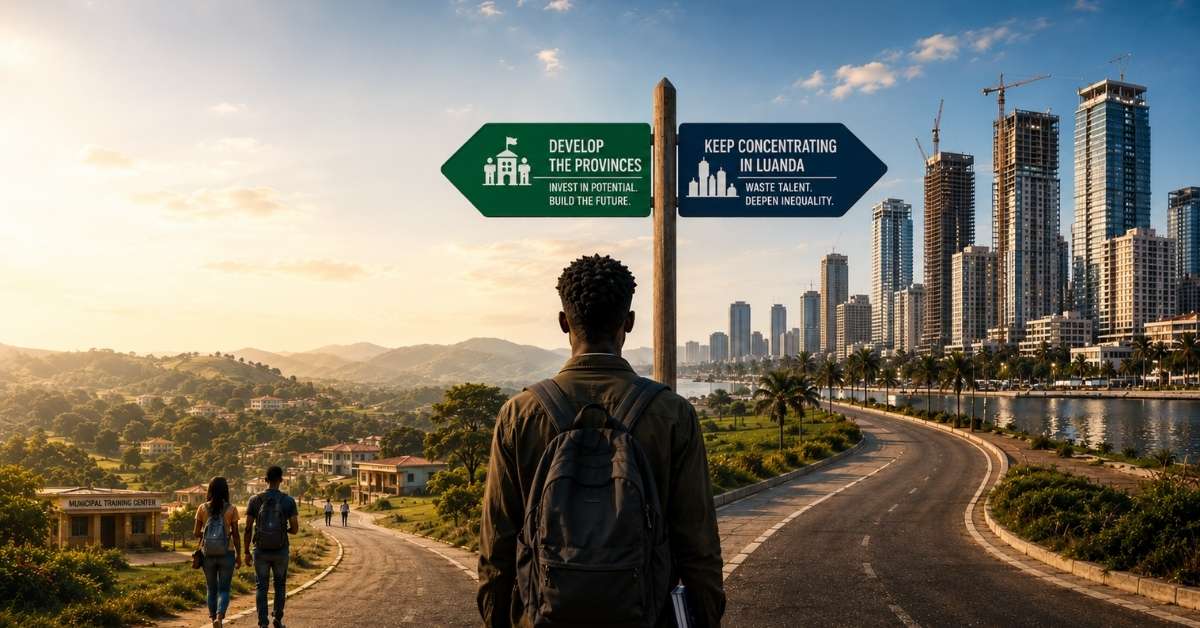
A legal framework already exists. A municipality already proves it works. What’s missing is the political will to implement it. We have educated young people. We have provinces with immense needs. And we continue to...
With installed renewable energy capacity now at 18.18 GW and corporate investment continuing to rise, South African businesses are moving decisively towards cleaner power. Yet, while adoption accelerates, traditional procurement models are coming under increasing pressure. Long-term...
US Republican lawmakers have introduced legislation aimed at strengthening the State Department’s Africa-focused workforce through the recruitment of Africa specialists and ...
Happening
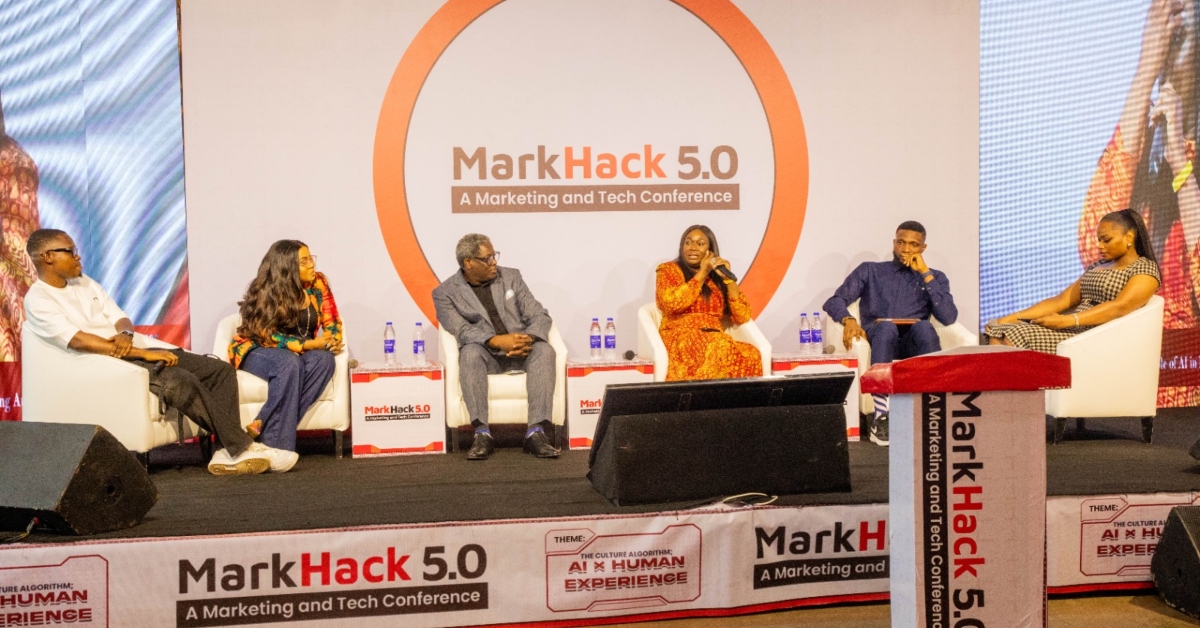
MarkHack 5.0 delivered a defining moment for Africa’s marketing, media, and technology ecosystem, convening an elite cross-section of industry leaders, innovators, ...
Headlines
Marketplace
Latest News