Arts & Culture

Turning on the Tap in Sub-Saharan Africa

If you’ve ever driven in sub-Saharan Africa, outside a major city or game park, you have probably seen women and children walking with buckets of water on their backs and heads. That’s because only 57 percent of the population has access to safe drinking water—and much of that is not even piped directly to their homes. The United Nations and the World Health Organization agree that Sub-Saharan Africa faces the greatest challenge in increasing the use of improved drinking water.

In 2008, the then-CEO of Voss Water, Knut Brundtland, saw such a sight. He was furious when he learned how many people lacked access to clean water for their most basic needs. Mr. Brundtland remembers thinking, “Somebody needs to do something…Why not me? It should be me, actually!”

He decided that, while Voss continues to sell water to people who have the luxury to choose Voss water, he would start an organization to aid those people who don’t even have such a choice. So, with the support of the water company, the Voss Foundation was founded as an independent 501c3 to raise awareness of the water crisis in Sub-Saharan Africa and facilitate access for communities in the region, allowing the beneficiaries to improve their own lives once basic needs are met.

Since it was launched in 2008, the Voss Foundation has funded eight well rehabilitations and two irrigation schemes in the Dogon region of Mali, three solar water systems in the Samburu region of Kenya, one well in the Katanga province of Democratic Republic of the Congo (at left), and three wells in the Gode and Kelafo zones of Ethiopia. In total, the Voss Foundation has helped build 21 water access points in four countries, impacting over 100,000 people.

As predicted, access to clean water has been positively life changing for these rural sub-Saharan communities, especially for the women and children.

Prior to the implementation of clean water systems, women in rural Africa had to walk as many as 10 miles a day to collect water. Their nearest water sources were unprotected and often contaminated, resulting in the spread of waterborne sicknesses such as malaria, diarrhea, and cholera. According to the WHO/UNICEF Joint Monitoring Programme for Water Supply and Sanitation, a baby in sub-Saharan Africa is almost 520 times more likely to die from diarrhea than a baby in the United States.

The long journey forced women to spend hours carrying up to 20kg of water on their heads. Voss Foundation reports found women suffering from musculoskeletal problems and miscarriages due to carrying heavy loads over long distances.

In addition to preventing waterborne diseases, the newly created water access points reduce the time spent collecting water to as little as 15 minutes. The Voss Foundation water systems in Swari and Latawken, Kenya (at right) included access points at the dispensaries, schools, and centrally-located kiosks, effectively reducing the distance to the nearest water source from five kilometers to less than one.

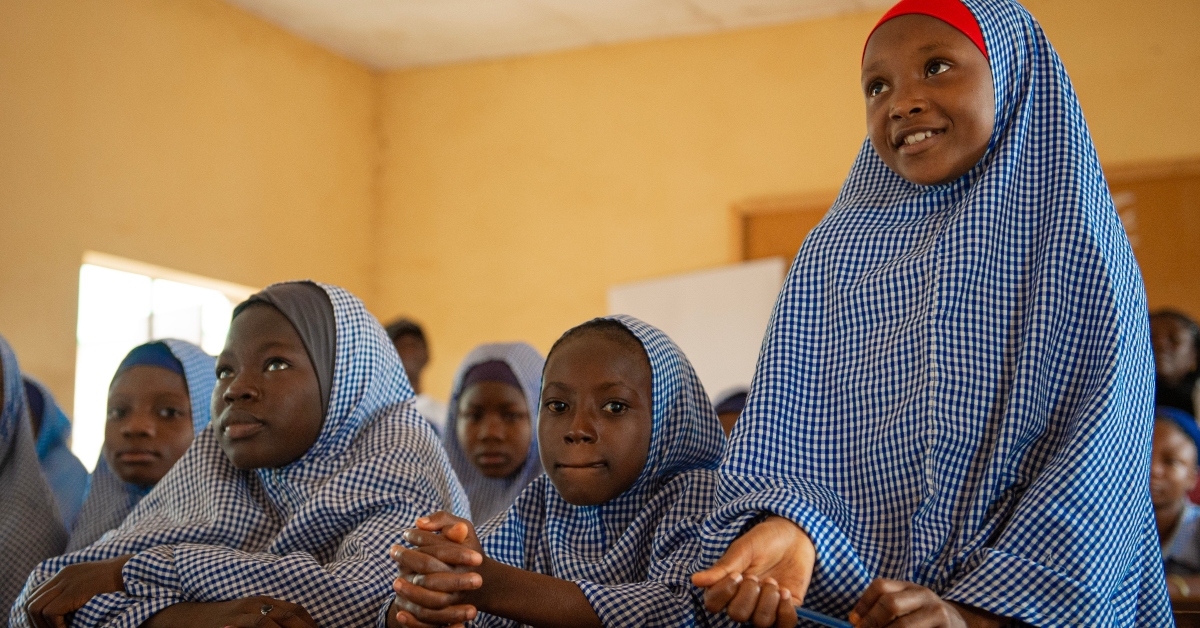
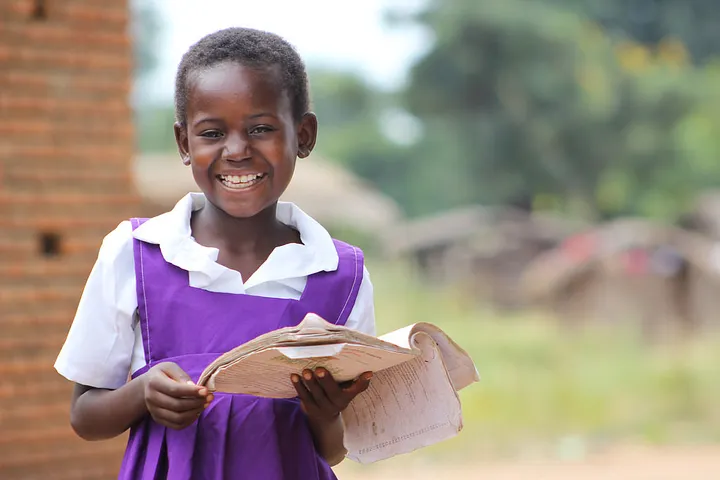
Direct access to clean water has also eliminated the need to keep young girls out of school and at home to help fetch water. A representative from Milgis Trust, theVoss Foundation’s implementing partner in Kenya, reports that the water projects “open up the opportunity for the girls to get an education.” In Latakwen, Kenya, local authorities had to build a bigger school to accommodate an increase in students after the installation of a water system in the village.

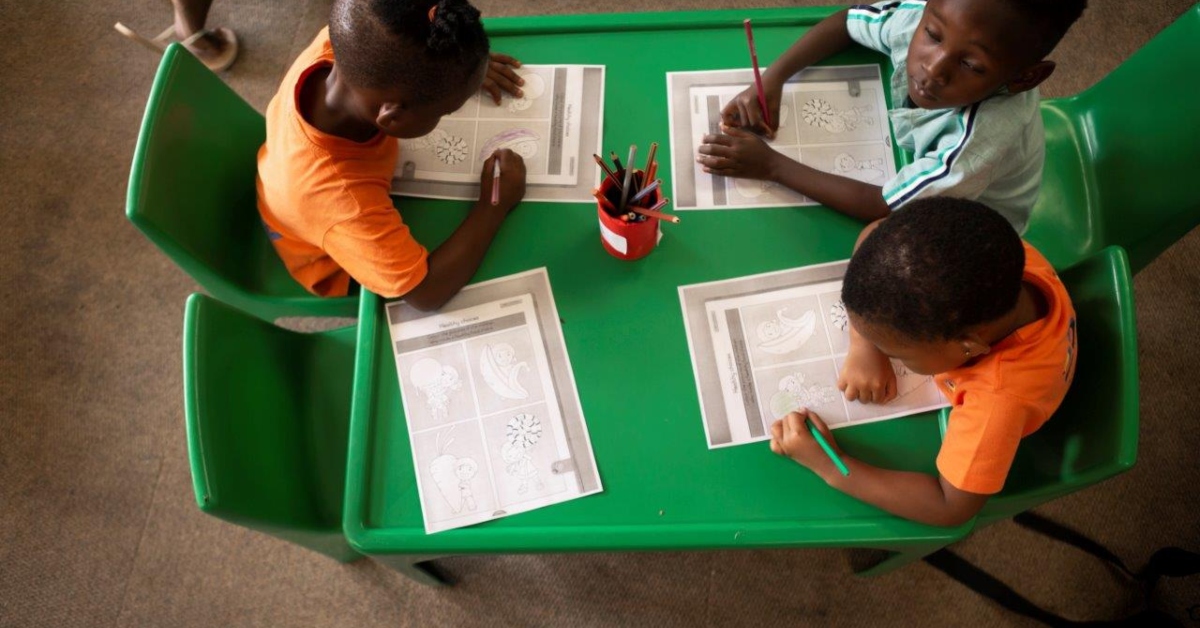
Moreover, water access points at schools have improved the overall quality of education. Pre-implementation reports showed children walking to get water through the school day, disrupting class time, impeding homework, and making the children tired and less able to learn. The Voss Foundation has found that children have more time and energy to devote to their studies when schools are given direct water access.

Some of the Voss Foundation’s projects have been directed towards empowering African women and girls through improved economic and educational opportunities that arise once a community has facilitated access to clean water.

In the village of Pel, Mali, the Voss Foundation helped install an irrigation system in the Women’s Association’s cooperative garden. Before the installation of 40 water retention structures, almost 30 percent of the garden land was undeveloped; only 60 women could farm; and the average cash income was around 20,000 CFA. Now, up to 100 women can farm, with an average cash income of between 35,000 and 50,000 CFA. The Voss Foundation also recently partnered with the Georges Malaika Foundation (GMF), an organization committed to empowering African girls through education, and built a well for the GMF School for Girls in the Democratic Republic of the Congo. The tuition-free school is set to open this fall, with an initial capacity of 104 students.

So far, access to clean water has proven to be a real engine for growth in sub-Saharan communities, leading to improvements in education, community health, economic activities, personal hygiene, and sanitation. As a Swari school girl said at the opening ceremony of the water system in her village, “Water is life.”

Raphaella Baek is currently studying Culture and Politics at the Edmund A. Walsh School of Foreign Service at Georgetown University.

Tags: