Human Rights & Civil Liberties

Jean-Christophe Rufin and Irregular Immigration

One of the striking features of Senegalese filmmaker Moussa Toure’s new film, La Pirogue, is its vivid recreation of the economic desperation at the heart of illegal immigration.

It tells the story of Baye Laye, a young boat captain from a Senegalese fishing village who faces an uphill struggle making ends meet for his poor family. The film charts his ordeal after he reluctantly agrees to smuggle 30 passengers to the Canary Islands in a bid to provide a better life for his family from Europe.

They undertake the perilous crossing in a pirogue—a small, flat-bottomed, wooded fishing boat.

Moussa says he made the film, which premiered at the Cannes Film festival in May, because young people in his home city of Dakar constantly talk of fleeing to Europe. The movie is dedicated to the 1,500 Senegalese and other Africans who perished attempting to make the crossing in 2011.

Senegalese youth are taking desperate measures to enter Europe because they feel they have no future in their country. As in other sub-Saharan African countries, Senegal is facing a demographic revolution as its population gets younger. Figures by the United Nations reveal that 15-25 year olds make up 68 percent of its estimated 12.9 million population.

Senegal’s low productivity rate, lack of education opportunities, and high illiteracy rates have resulted in critical levels of youth unemployment. The acute shortage of jobs means that many young Senegalese end up on the street hawking phone cards and used clothing, or on a flimsy boat irregularly headed for Europe in a desperate search for jobs.

african labour rights in franceThose who make it to France (their top European destination) join the estimated 200,000–400,000 undocumented workers, who are known as “sans-papiers” (without papers).

In Paris and other large French cities, they ensure offices are cleaned, streets are swept, and restaurant dishes are washed. The exploitative working and living conditions they endure has forced many to join an unprecedented French “sans-papiers” labour movement led by West Africans.

Coordination des sans-papiers de Paris (CSP75), a coalition of Parisian undocumented worker collectives that is fighting for mass legalization, is one of the most active. It is led by a Malian cleaner named Anzoumane Sissoko.

The movement is giving a voice to undocumented workers who are boldly fighting for their rights as they become increasingly aware of the value of their cheap labour to the French economy. Their struggle is being supported by French trade unions, including the General Confederation of Labour (CGT).

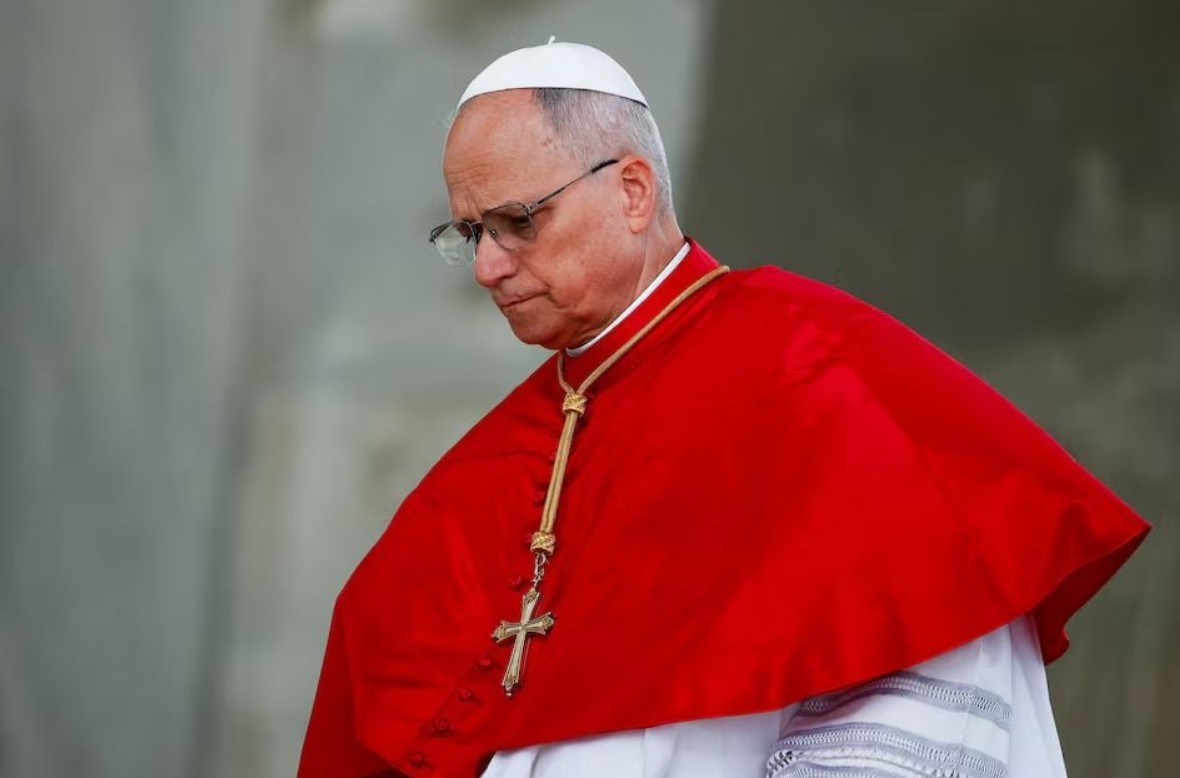
Jean-Christophe Rufin—a French doctor, writer, a former ambassador to Senegal, and one of the founders of Médecins Sans Frontières (Doctors Without Borders)—takes the long view of the sensitive question of what should done about undocumented workers that has polarised French society. He argues that immigration measures introduced in the early 1970s as a result of the oil crisis have led to a surge in de-facto labour immigration. They included the scrapping of Temporary Migrant Worker Programmes (TMWPs). Since then, France has been reluctant to officially open its labour market to non-EU workers despite the presence of a large informal sector.

“It’s like a machine for creating sans-papiers,” Rufin says. “We pretend that immigration has stopped but people continue to come here for work. They can become refugees or clandestine but they’re not allowed to work legally. It’s a great paradox.”

“There’s a blockade between the needs of the French economy, which clearly needs manpower from abroad and the political and social impossibility for French people to accept the presence of so many foreigners. For sans-papiers who work and pay taxes, the situation is crazy,” Rufin says.

I met Rufin at the prestigious Académie française (French Academy) in central Paris, where he is an elected member. The almost 400-year-old institution is charged with keeping the French language pure as it increasingly comes under attack from an invasion of foreign words.

He attributes France’s strict anti-illegal immigration measures (which include a 30,000 annual deportation quota) and robust opposition to mass regularisation to fears of african labour rights in franceincreased immigration.

“Many politicians believe if we regularise everyone, we’ll create a kind of aspirating pump and all the immigrants from other countries will come if they know they can be legalised here.

“They usually give the example of when Francois Mittérand came to power in 1981 and there was a massive regularisation of sans-papiers. But a few months later there was the same amount of sans-papiers,” he adds.

Rufin believes France has reached an important milestone in its history of immigration.

“We should either consider that nations should stay closed and immigration is completely stopped at all channels, which we’re not ready to do for economic and humanitarian reasons,” he says. “Or we should face the reality that France has become a multi-ethnic country with people of different origins and come back to our definition of citizenship and accept them as long as they accept the [citizenship] contract.”

“But each time this debate is launched, it’s generally during election times and for low political reasons. We never have it in a quiet moment. But sooner or later we’ll have to face this question,” he notes.

Low birth rates and an aging population mean France and other E.U. states will have to let in more immigrants as they face the reverse demographic challenge confronting Senegal and other African countries.

According to the U.N., French and E.U. citizens over the age of 60 will increase by 52 per cent by 2050.

But Rufin says immigration is not the answer to Senegal’s [and Africa’s] youth unemployment crisis.

“I think democracy is a very important issue,” he says. “I was very satisfied when Senegal elected a new president [Macky Sall] in very good conditions and without violence earlier this year.”

“I believe this can reduce the impression and reality of the youth that they have no future in their country. It would be a great danger to say the solution for unemployed Africans is to come here and they will be received and accepted,” Rufin says.

Efforts to discourage irregular youth immigration in Senegal include sensitization campaigns such as film shows and school competitions in highly-endemic areas like Dakar and Ziguinchor.

Young people are also being taught a range of entrepreneurial skills including fruit and vegetable farming, waste recycling, and traditional organic soap production in regions like Koussanar in collaboration with the International Organization for Migration (IOM).

This project was made possible by a fellowship from the French-American Foundation–United States. The views expressed are sorely those of the author and do not reflect the views of the French-American Foundation or its directors, employees, or representatives.

Tags: , , , , ,