Politics and Government

Is Democracy Right for Africa? Strong Men vs Strong Civic Participation

What is democracy? In its purest form, it is an ideological practice in society where each person (adult) gets an equal say on the decisions that affect his or her life. The Arab Spring, follow-up revolutions in countries such as Tunisia, Egypt, and Libya, and civil unrest in Bahrain, Syria, and Yemen are examples of democracy in its purest form.

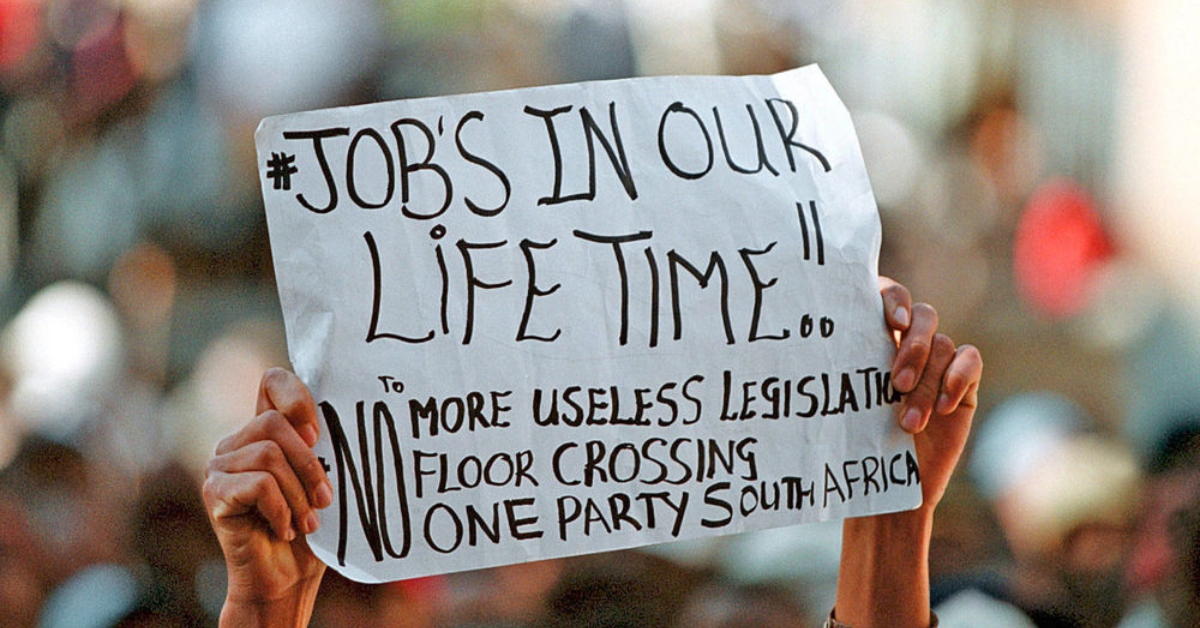
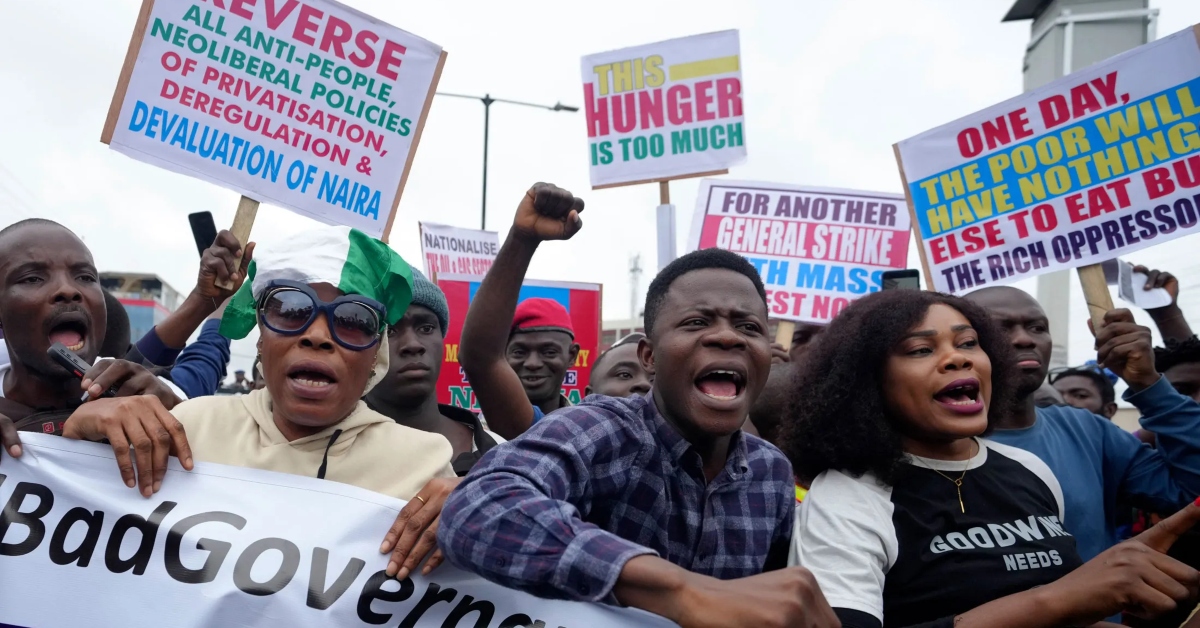
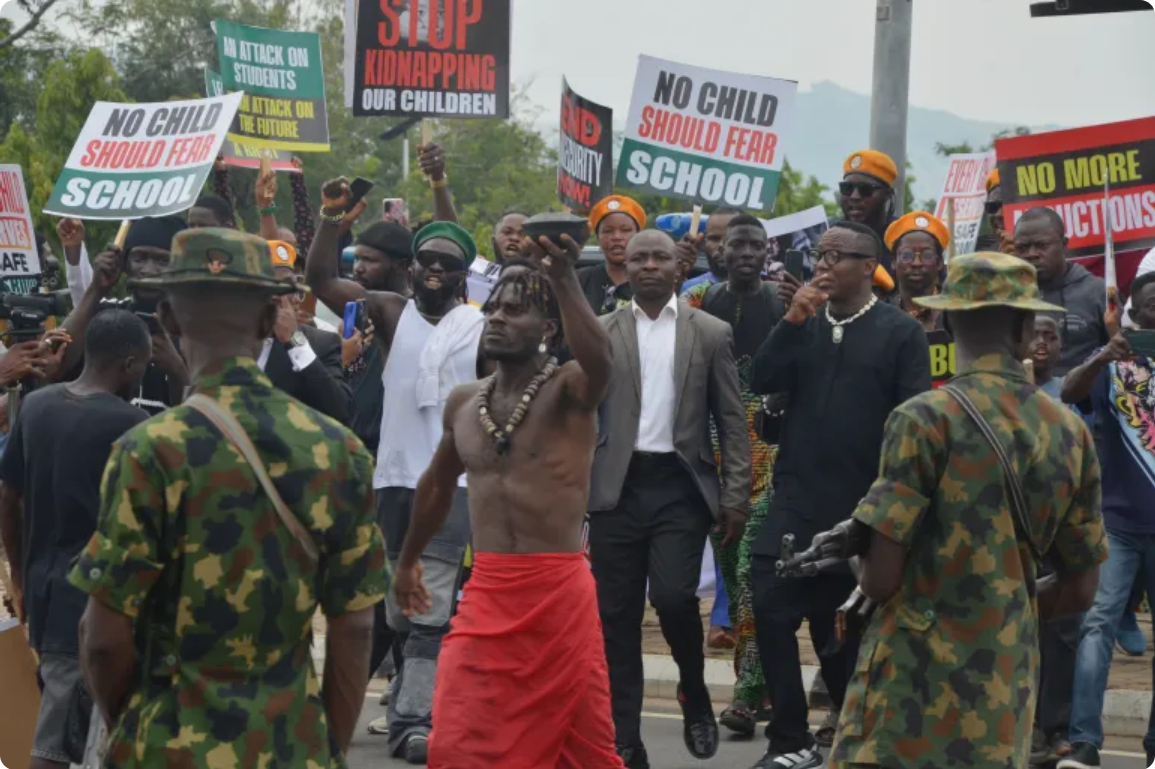
But when does freedom of speech and the right to assemble in public become a kind of civil disobedience? Apparently when they threaten the very political, economic, and social status quo in a society. Most of these revolutions were against dictator-like rulers, once revolutionaries in their own right, who oppressed their populations, hoarded wealth, and maintained political influence and control. These youth-fueled expressions of democracy, exemplify the power of the “youth bulge” where in many countries youth represent 50 percent of the population, and an African culture paradigm shift in what it means to have a voice in the decision-making processes in society. With all of the bloodshed and criticisms that these acts of civil disobedience lack specific goals, is democracy right for Africa?

In a democracy, individual rights can be expressed through, but not limited to, freedom of speech and participating in electoral voting. But what happens when the election is rigged, or rules of the electoral process change? What happens in a society when freedom of speech and the right to assemble on the streets are not cultural guarantees? There is a cultural disconnect in the adaptation of democracy when a society historically values the decision making power of spiritual leaders and “strong men” of Africa’s independence revolutions. Africa is adjusting to the fact that it is no longer fashionable to have presidents for life, as Professor Souleymane Bachir Diagne of Columbia University argues: “There is no savior in Africa. No one man will have that kind of strength again.” Democracy is bigger than any one man or ruler, and requires investments in strong institutions that facilitate and protect its very ideals.

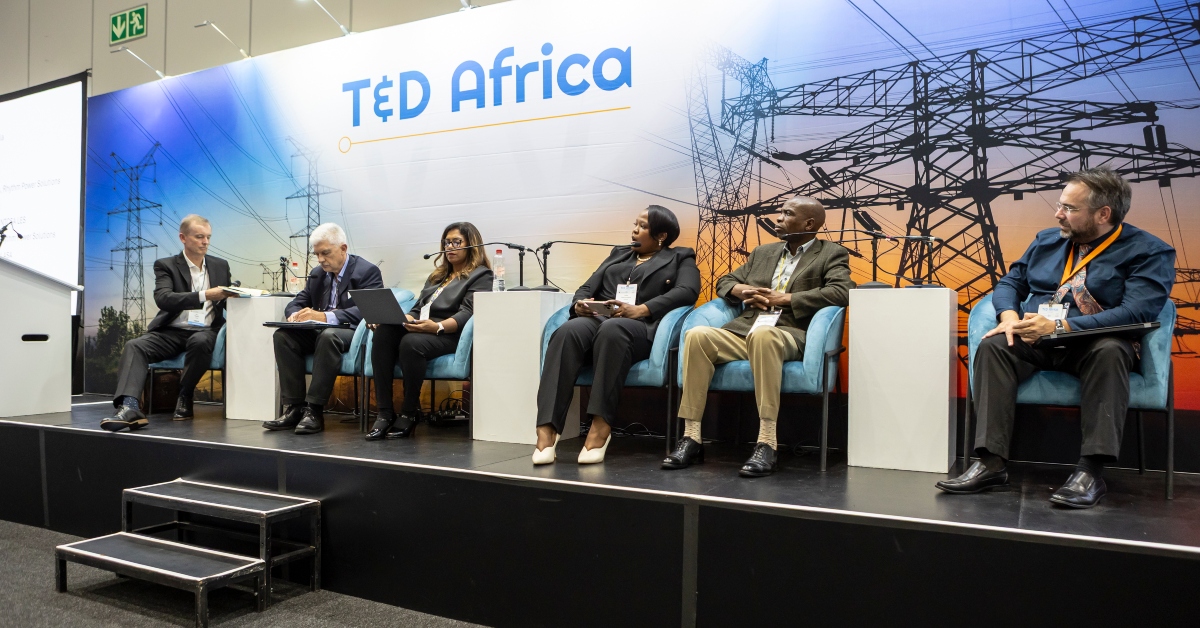
I thought about the realities of African democracy during a panel discussion held by Columbia University’s Institute of African Studies about the upcoming 2012 Senegalese elections on February 26, 2012. Since the violence in Kenya’s 2007 presidential election, each African country has prepared for presidential elections, particularly those representing major regime change, with great trepidation. Having enjoyed an 11-year reign, President Abdoulaye Wade of Senegal announced his candidacy for a third term. Dismayed by this blatant breach, protesters have taken to the streets and questioned the constitutionality of this move. And what is the cause for strife, especially when President Wade was elected in a “fair” election? He pulled a Mayor Bloomberg-esque move by amending a constitutional document to extend his two-term limit to three terms. What recourse do citizens have when a ruler changes the rule of the game? Panelist Etienne Smith argued when there is a strong ruler who seeks to keep power, “I’m not sure they can move forward with democracy and elections without violence.”

After the event, I had the opportunity speak with NYU Gallatin Professor Rosalind Fredericks, about the role of youth and civic participation. I learned about an informal grass-roots movement of youth in Dakar, Senegal that uses hip-hop as a vehicle of freedom of speech called Y’en a Marre. Y’en a Marre is not a hip-hop movement, but democracy in its purest form, being able to speak freely about matters that affect society anywhere. Y’en a Marre is apolitical, and focuses on local active participation in decision-making – absent of the influence of politicians and traditional spiritual guides. While Y’en a Marre’s effect on the election polls is yet to be seen, it is has been playing a huge role in mobilizing people to register to vote and empowering people to voice their views.

Mamadou Diouf, a professor at Columbia University and director of the Institute for African Studies, acknowledged the impact of Y’en a Marre but noted its major shortfall: “Y’en a Marre doesn’t have a solid voice. It is an apolitical class without no vision or an agenda, but needs to be transformed to an organized movement with very specific goals”. A familiar argument made of a lot of the world’s 2011 Occupy protests.

While worldwide grass-root Occupy movements have encouraged people to exercise their freedom of speech and ability to congregate in mass, these protests have been criticized of falling short of achieving specific goals. It is clear that Occupy protests such as Y’en a Marre are not just a means to a specific end, but an important end goal in itself. The mobilization of people to speak up for themselves, their rights, and the rights of their neighbors, particularly when there is social, political, or economic injustice, is an important cultural shift and important step towards Africa realizing the promises of democracy.

Is democracy right for Africa? Only time will tell, as the struggle continues between strong men, strong institutions, and growing civic participation.

Tags: , , ,