Current Events
Harnessing Energy for Sustainable Development in Africa

A great amount is at stake for Africa at the upcoming United Nations Conference on Sustainable Development (UNCSD), or Rio+20, to be held in Rio de Janeiro, Brazil. The conference’s objective is to create policies that attempt to reduce poverty, advance social equity and ensure environmental protection. In order to do so, it will focus on two themes: (1) a green economy in the context of sustainable development and poverty eradication, and (2) the institutional framework for sustainable development.

Twenty years after the original Earth summit, Rio+20 is expected to be attended by more than 130 heads of state and government, leaders in business, and non-government organizations from June 20-22. U.N. Secretary-General Ban Ki-Moon recently stated that “Rio+20 will be one of the most important global meetings on sustainable development in our time.”

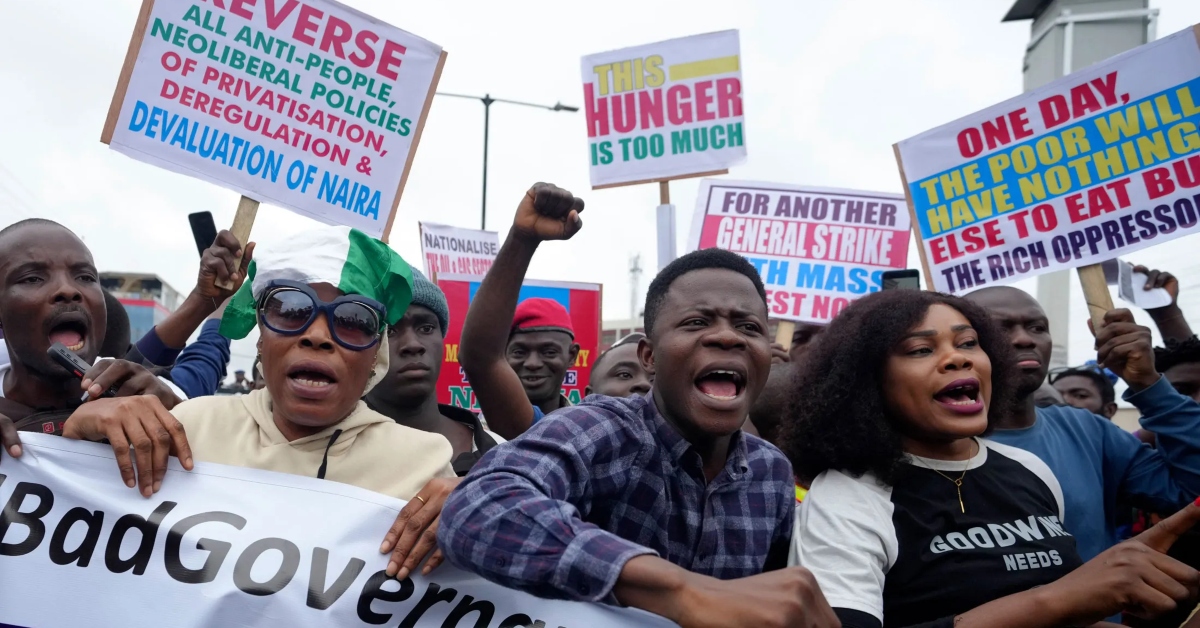
Many of Africa’s 54 dynamic nations are growing; however the benefits are not reaching all Africans. Poverty, hunger, and disparities in health and education are preventing huge swaths of Africans from fully realizing their potential. Increasing access to sustainable energy can provide a stimulant to reverse these unsightly problems and spur attaining the targets of the Millennium Development Goals, which have already helped lift millions out of poverty.

Africa’s progress towards sustainable development has been slowed due to other challenges. Principally among these is the economic crisis, fluctuations in the cost of food, the impact of climate change, increasing water scarcity, biodiversity and ecosystem loss, and desertification. One issue that is too often overlooked, but will be a focus at Rio+20, is energy poverty.

Energy poverty is when people do not have access to modern energy services. At least 1.4 billion people lack access to electricity globally, of who over 80 percent live in rural areas with the bulk concentrated in sub-Saharan Africa and South Asia. More than 2.5 billion people rely on inefficient biomass such as wood, dung and coal for cooking, heat, and light. Because of the reliance on such biomass, deforestation spreads and fertility of soil is reduced. In addition, the WHO estimates that 2.5 million women and young children in developing countries die prematurely each year from breathing the fumes from indoor biomass stoves. Such a situation stalls development, if not making it impossible.

Implementing a solution through sustainable development can alleviate the problem.

Providing access to energy by sustainable means can act as a bridge to improve the quality of education and health services, job creation, women’s empowerment, the environment, safety, and business and entrepreneurship opportunities. To emphasize these truths, the United Nations General Assembly named 2012 the International Year of Sustainable Energy for All. Just as importantly a new initiative spearheaded by the Secretary-General, Sustainable Energy For All, is engaging governments, the private sector, and civil society partners to achieve three goals (1) ensuring universal access to modern energy services (2) doubling the global rate of improvement in energy efficiency (3) doubling the share of renewable energy in the global energy mix.

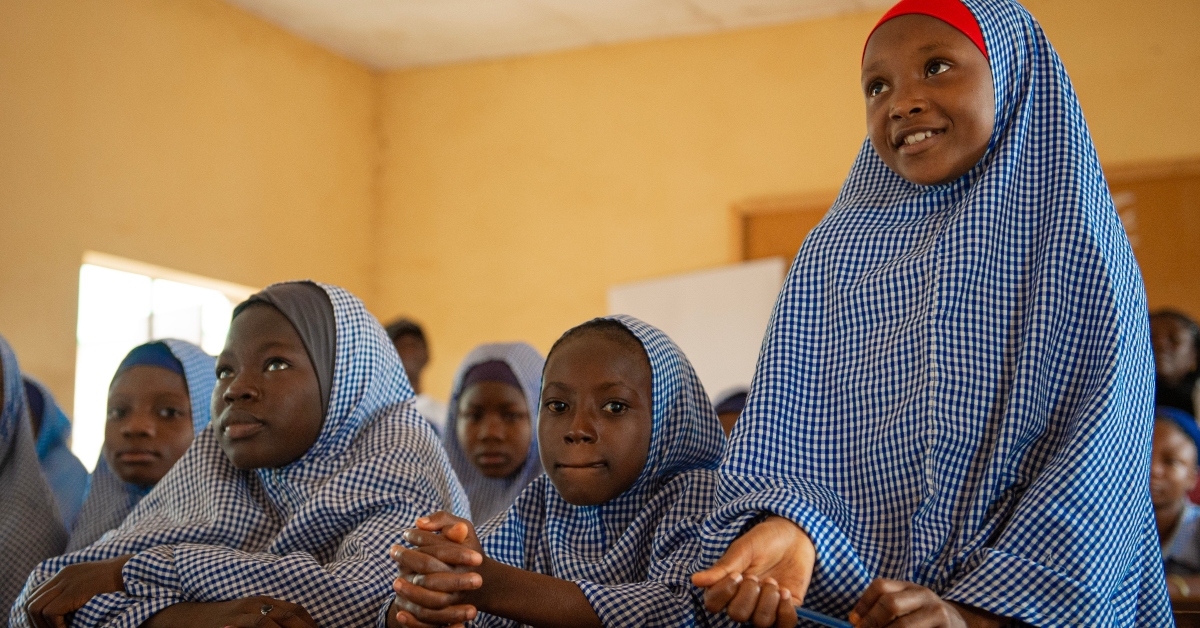
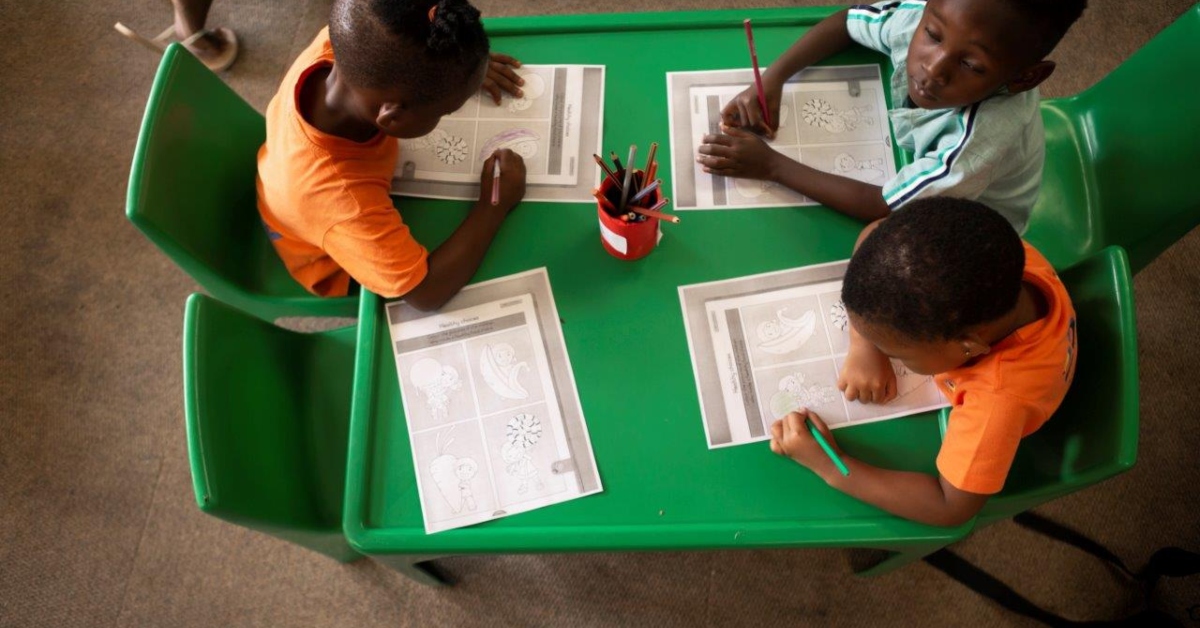
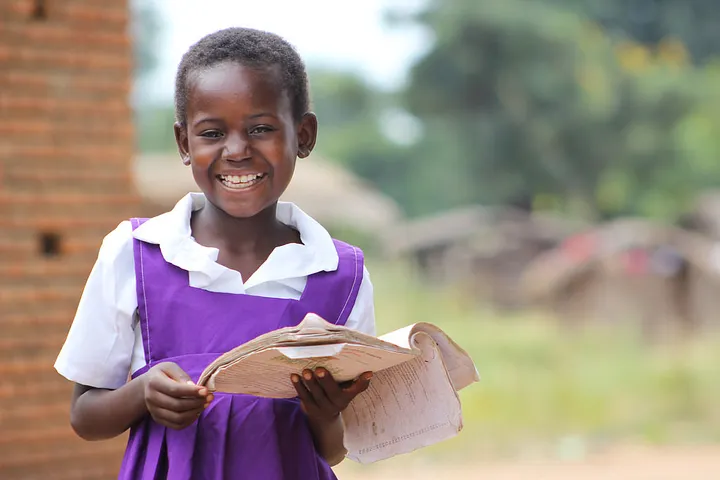
The fact remains that constructing traditional centralized (and often times polluting) power plants and infrastructure to reach small, rural communities in Africa is costly, difficult and frankly illogical. Instead, constructing decentralized renewable energy infrastructure is a key component to provide access to energy to these areas. Solar photovoltaic systems, for example, can be built independently, are scalable, they are technically reliable, will last for long period of time and are environmentally friendly. Once built, the new source of energy can aid society in many ways including: powering a refrigerator to store vaccines, providing light for children to study at night, and supplying energy for cooking and space heating reducing indoor pollution.

Many African countries are also plagued by power shortages or patchy electric supply coupled with expensive rates consuming a large percentage of household expenditure. More projects are needed to develop and integrate electricity systems, increase electricity supply, and improve system reliability. Most nations are well situated to leverage their local advantages of solar, wind, hydro, geothermal, and/or biomass to provide a reliable source of energy, which can further industry, provide employment, and drive foreign direct investment. As a continent that is heavily reliant on exporting natural resources, being reliant on external markets and potential shocks associated with such forces already makes for economic uncertainties. Harnessing local energy advantages can cushion against some of the shocks of external market forces.

While the use of renewable energy is increasing across the continent, there is immense room for growth. The opportunities for African countries and for business are enormous with rising population and growing energy demand anticipated over the coming decades. Renewable energy markets are poised to have the potential to be an engine of economic growth. A new joint report led by the International Labor Organization entitled “Working Towards Sustainable Development” concludes that by 2030 up to 60 million jobs around the world can be created if sustainable development energy policies are put in place to move away from fossil fuel.

Despite the potential, underinvestment has largely led to the failure for African nations to fully exploit their full energy potential. To move to a more reliable, wide-spread and clean energy supply, new committed funding strategies need to be continually applied. Whether it is from national programs, international strategies, the private sector or public-private partnerships, a focused effort to finance secure, reliable, clean energy should continue to be at the heart of all development agendas.

To accomplish these actions, a paradigm shift is necessary to advance the sustainable development agenda. The commitment by countries, regions and the international community to a common cause is important for success. Sustainable energy has the ability to spur economic growth and poverty alleviation, and to create a flourishing future for Africans. Dr. Kandeh Yumkella, Director-General of Director-General of the United Nations Industrial Development Organization (UNIDO) stated in reference to the importance of Rio+20, “Governments around the world must act urgently to agree the right policies and investment incentives that nurture sustainable energy champions, before it’s too late.”

Tags: , , ,