Life can make you feel numb. The atrocities and hardships that human beings have to bare in this life can seem overwhelming and disheartening.
Moreover, the media’s constant surge of negativity only makes these feelings worse. For young adults, I am even more scared, because I realize that they are just starting on this path and witnessing a world that seems to have eroded into a sour, bitter taste.
In a world in which the media is telling us, the younger generations, to go against who we are and our cultural norms, what can we do to ensure that we and younger generations will not feel obligated to neglect who they are? And is it the media responsibility to not promote youth to neglect their morals and their identities?
I believe that this is true.
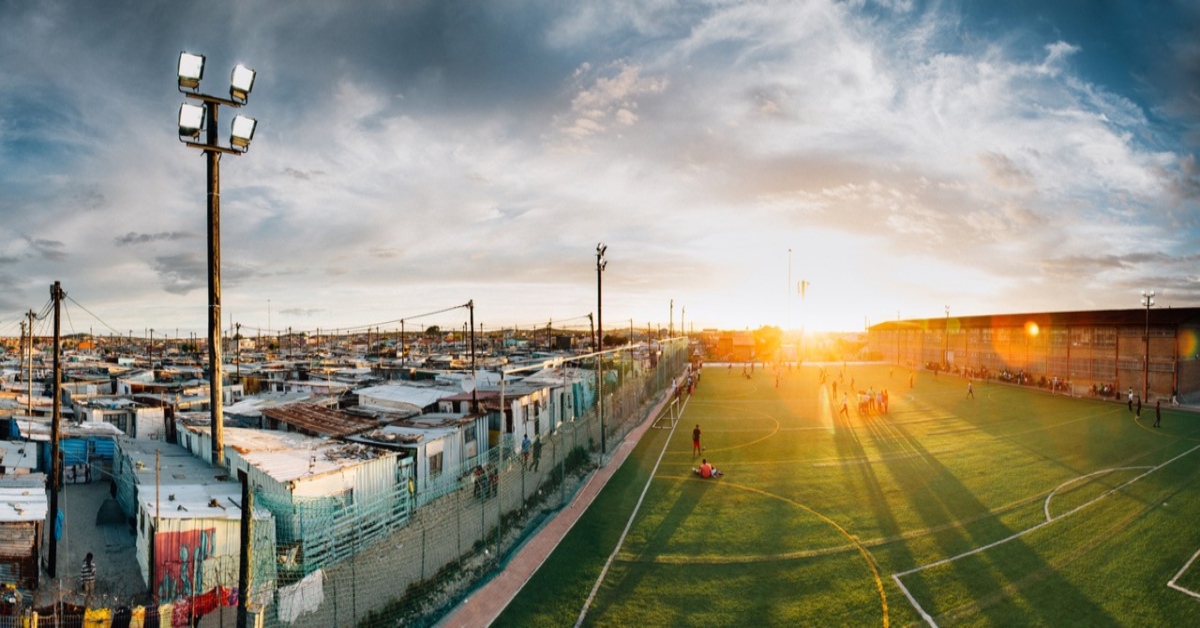
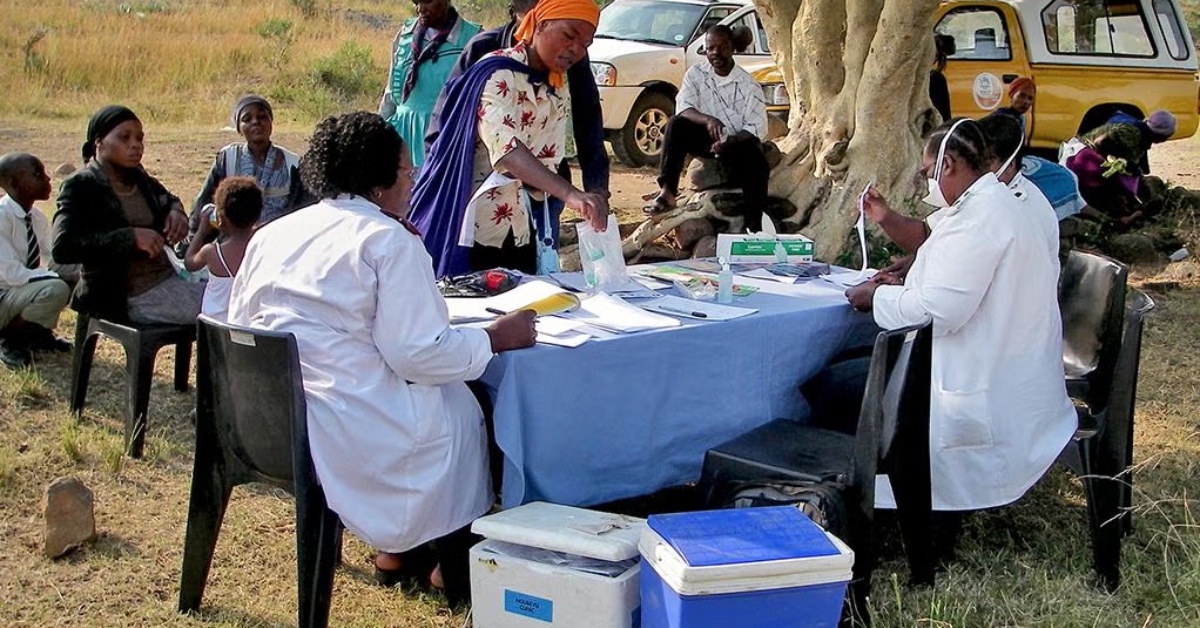
When I went to South Africa, I witnessed and experienced the wonderful feeling of youth truly embracing their roots, their heritage, and their morals instilled by their country. It was so rejuvenating for me to see that the media was not only encouraging youth to take responsibility in making the world a better place, but the media was also showcasing so many wonderful role models for youth of the country to look up to. I couldn’t understand why the media in America couldn’t also always hold itself responsible for the behavior that it encourages youth to have.
I think that minority communities especially crave and needs better role models showcased to youth. It needs role models who are encouraging them to not neglect their heritage, their identity, and to maintain the morals that they were taught.
This is particularly true for African-American youth. According to EURweb, minorities, particularly African-Americans, watch more television than other ethnicities, they are more likely to feel that they need to change who they are and neglect their race in order to fit into the White mainstream.
Even twelve-year-old Eden Sanna feels that the media needs to showcase better role models for youth, especially African-Americans.
“I think the media now is making our generation very self-conscious in what they do,” she told me. “I do think that if there were more African-Americans in media or in television in general it would help African-American children or people be less self-conscious about themselves, because when you see somebody that succeeds in life and they are just like you, you have more hope for your future. Like if she can do it, then I can do it too.”
In fact, psychotherapist Lisa Brateman agreed that African-Americans are more likelihood to be deeply impacted by what they see, because they watch television more than other ethnicities.
“African-American girls and men are more negatively influenced, because of the terrible portrayals often shown about African-Americans,” she said to me. “However, teens are our future and of we want to have a better society we need to have more positive role models for them. We cannot go on dismiss what is happening as or just saying everything is the way that it is. We need to stress morals and values, and we need to have better role models for them.”
Additionally, Anastasia Gavalas, who is the mother of five and a teacher with Family Live said that she has seen first-hand how the media can impact teens and their personal images.
“No matter how much parents try to shield their teens from the effects of media and the entertainment business, they will be exposed and swayed by things they observe by others they view as “successful,” Gavalas emphasized to me. “The entertainment business is carries so much power that parents need to consciously and continually balance all that is presented to their teens by teaching them about real-life morals they wish their children to develop. So, they [teens] need strong guidance from their parents and the community that is realistically formed around them.”
I think it is so important to talk about having better role models for youth, especially African-Americans, because I believe that connecting youth to their history and leaders of their past will connect them to wanting to take extra steps towards having a better future.
For example, I believe that the media can connect African-American youth to wanting to connect more to their identity and roots in Africa. I believe that the media can collective generate messages that cause African-American youth and adults to want to explore Africa in order to have a better vision for themselves today, tomorrow, and in the future.
My final thought is that my journey in South Africa awakened me to what could be within the world. As a society, we cannot continue to allow the collective message to say to our youth that it is ok for you to deter from your morals. That is ok to not want to engage with your history, cultural background, and heritage. I aspire to be a leader in the media who emphasizes to youth to always seek to learn about their history and identity by traveling to places like South Africa. By doing this, they will awaken to whom they could be, who they should be, and what their purpose is within this amazing, extraordinary world.
These opinions do not reflect those of NBC, but are the sole opinions of the author.
Can Media Help Youth Rediscover Their Roots and Morals?
Posted by Ashley Michelle Williams on April 9, 2012 at 8:34 pmLife can make you feel numb. The atrocities and hardships that human beings have to bare in this life can seem overwhelming and disheartening.
Moreover, the media’s constant surge of negativity only makes these feelings worse. For young adults, I am even more scared, because I realize that they are just starting on this path and witnessing a world that seems to have eroded into a sour, bitter taste.
I believe that this is true.
When I went to South Africa, I witnessed and experienced the wonderful feeling of youth truly embracing their roots, their heritage, and their morals instilled by their country. It was so rejuvenating for me to see that the media was not only encouraging youth to take responsibility in making the world a better place, but the media was also showcasing so many wonderful role models for youth of the country to look up to. I couldn’t understand why the media in America couldn’t also always hold itself responsible for the behavior that it encourages youth to have.
I think that minority communities especially crave and needs better role models showcased to youth. It needs role models who are encouraging them to not neglect their heritage, their identity, and to maintain the morals that they were taught.
This is particularly true for African-American youth. According to EURweb, minorities, particularly African-Americans, watch more television than other ethnicities, they are more likely to feel that they need to change who they are and neglect their race in order to fit into the White mainstream.
Even twelve-year-old Eden Sanna feels that the media needs to showcase better role models for youth, especially African-Americans.
“I think the media now is making our generation very self-conscious in what they do,” she told me. “I do think that if there were more African-Americans in media or in television in general it would help African-American children or people be less self-conscious about themselves, because when you see somebody that succeeds in life and they are just like you, you have more hope for your future. Like if she can do it, then I can do it too.”
In fact, psychotherapist Lisa Brateman agreed that African-Americans are more likelihood to be deeply impacted by what they see, because they watch television more than other ethnicities.
“African-American girls and men are more negatively influenced, because of the terrible portrayals often shown about African-Americans,” she said to me. “However, teens are our future and of we want to have a better society we need to have more positive role models for them. We cannot go on dismiss what is happening as or just saying everything is the way that it is. We need to stress morals and values, and we need to have better role models for them.”
Additionally, Anastasia Gavalas, who is the mother of five and a teacher with Family Live said that she has seen first-hand how the media can impact teens and their personal images.
“No matter how much parents try to shield their teens from the effects of media and the entertainment business, they will be exposed and swayed by things they observe by others they view as “successful,” Gavalas emphasized to me. “The entertainment business is carries so much power that parents need to consciously and continually balance all that is presented to their teens by teaching them about real-life morals they wish their children to develop. So, they [teens] need strong guidance from their parents and the community that is realistically formed around them.”
I think it is so important to talk about having better role models for youth, especially African-Americans, because I believe that connecting youth to their history and leaders of their past will connect them to wanting to take extra steps towards having a better future.
For example, I believe that the media can connect African-American youth to wanting to connect more to their identity and roots in Africa. I believe that the media can collective generate messages that cause African-American youth and adults to want to explore Africa in order to have a better vision for themselves today, tomorrow, and in the future.
My final thought is that my journey in South Africa awakened me to what could be within the world. As a society, we cannot continue to allow the collective message to say to our youth that it is ok for you to deter from your morals. That is ok to not want to engage with your history, cultural background, and heritage. I aspire to be a leader in the media who emphasizes to youth to always seek to learn about their history and identity by traveling to places like South Africa. By doing this, they will awaken to whom they could be, who they should be, and what their purpose is within this amazing, extraordinary world.
These opinions do not reflect those of NBC, but are the sole opinions of the author.