africa

Search Africa.com

Angola

SHARE [+]

Angola Flag
   

Angola

Video Source: Youtube
Flag Source: CIA World Factbook


Right Now


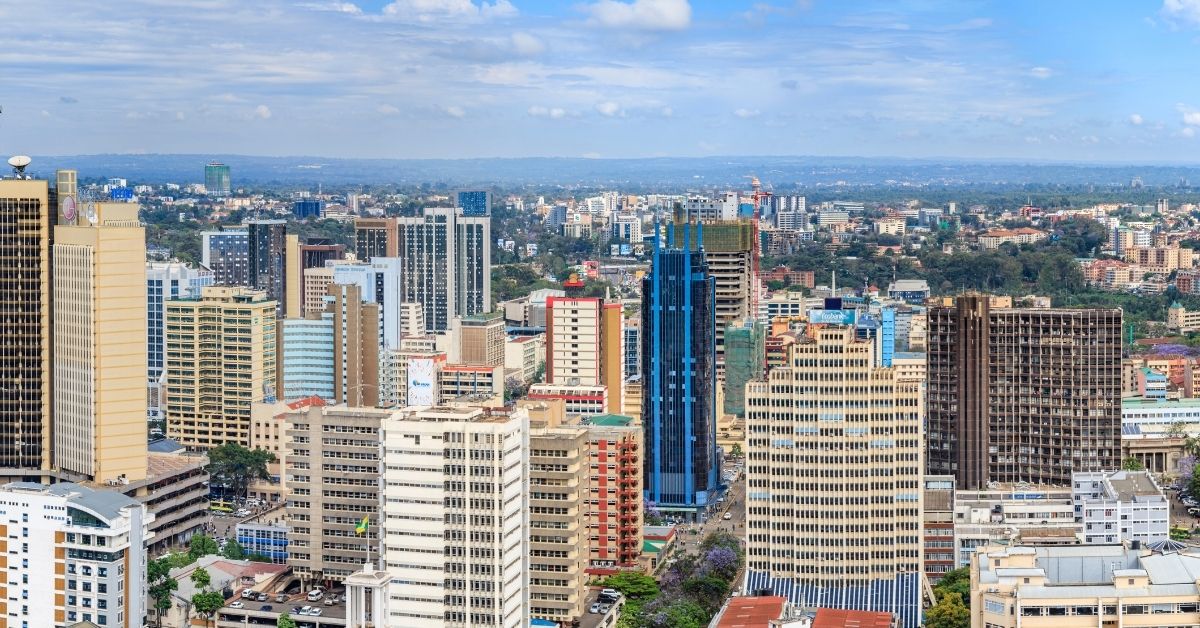
Angola has had a history of slavery and civil wars, but today the country enjoys a general sense of redevelopment and progress. A colony of Portugal for many years, Angola's unique culture features a mix of Portuguese and traditional African elements. While visiting Angola, spend a few days exploring the densely populated capital, Luanda, before penetrating deeper to see the country’s numerous beaches, parks, and wildlife reserves. Unlike many other African countries, Angola has few tourists, which means you will have the authentic pleasure of experiencing life in the country as Angolans do. We hope you take the opportunity during your visit to Africa to explore a country undergoing rapid change.


The Top 10: What to Do in Angola


1. Kissama National Park: Located in northwestern Angola, Kissama National Park was the site of a massive rehabilitation project called Operation Noah’s Ark. In 2000, sixteen elephants were flown from South Africa to the park; they were followed by zebras, ostriches, wildebeests, and giraffes. While the park is still recuperating from years of neglect, it is easily accessible today and is a great place to spend a day exploring. There are accommodations within the park for overnight stays.

2. Benguela: The Benguela Railway used to connect the city to the Congo and Zambia, but civil wars destroyed the railroad’s infrastructure. While the railroad is slowly being repaired, the only functioning segment is the strip connecting Lobito to Benguela. We recommend taking the train trip and spending a day exploring the streets of Benguela, which boasts colonial Portuguese architecture and sites.

3. National Slavery Museum: This museum is not large, but it packs a big punch. Located just 11 miles (18 kilometers) south of Luanda, it is housed in a small, 17th-century chapel and tells the story of Angola and its involvement in the slave trade. The most intense experience to be had at the museum is the realization that, in that very chapel, millions of slaves were baptized before being sent across the Atlantic Ocean on slave ships. We highly recommend visiting this small but powerful museum.

4. Cangandala National Park: It is the smallest national park in the country, but its woodland environment attracts a large number of birds. The park was founded in 1963 to protect the giant sable antelope, but today it is primarily a great place to hike and see some of Angola’s natural beauty.

5. Calendula Waterfalls: Also called the Duque de Braganca Falls, these amazing waterfalls are located in the province of Malanje. The Calendula falls are some of Africa’s highest and make for a spectacular photo shot.

6. Mussulo Peninsula: If you are looking for a good place to stroll along the water and see the fishing culture of Angola, visit the Mussulo Peninsula, where local fishermen work every day. Located just outside of Luanda, the peninsula offers a great escape for a few hours. We recommend packing a picnic, relaxing next to the water, and going swimming for an afternoon.

7. Santiago Beach: Located 30 miles (45 kilometers) north of Luanda, Santiago Beach bears the nickname “Shipwreck Beach,” because of the massive old ships beached in the shallow water. (One infamous vessel is the Karl Marx.) The ships provide an extraordinary photo opportunity. You can rent a fishing pole and go fishing farther down the coast, where the beaches are pleasant and free of rusty wrecks.

8. Lubango: Surrounded by mountains and blessed with a moderate climate year-round, Lubango is a great place to stop over for a few days. There are daily flights between Lubango and Luanda; you can also hire a car for the six-hour drive. Shopping and dining are activities that visitors usually indulge in during their stay in this high-up city.

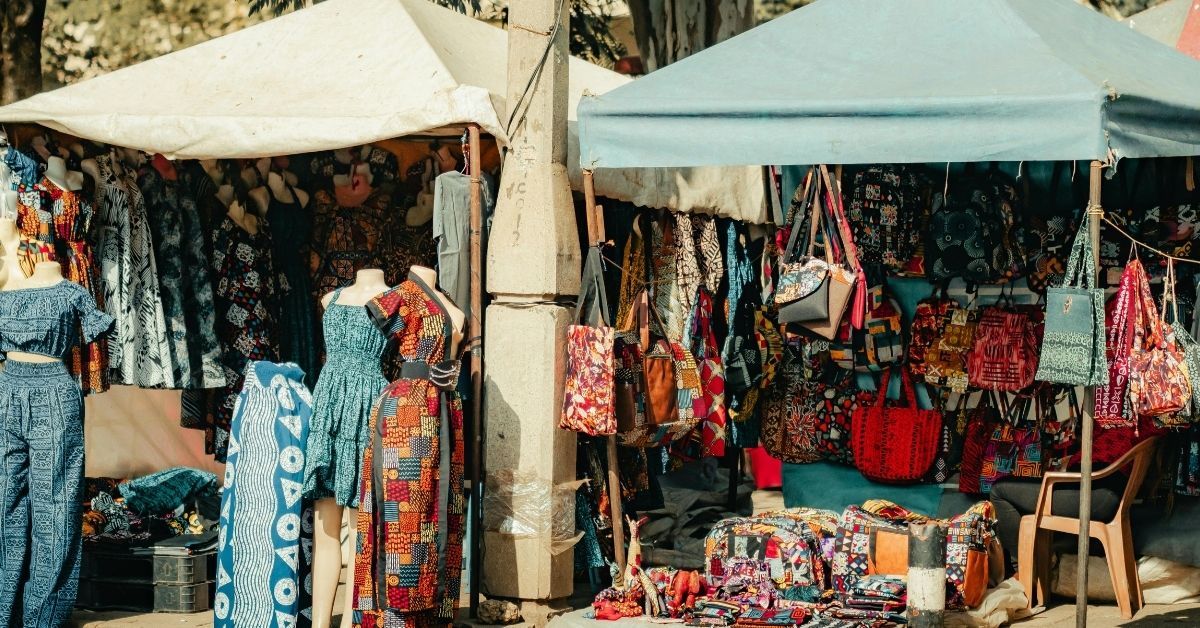
9. Benfica Market: This Luanda-based market is full of paintings, animal skins, jewelry, carvings, masks, and more. Unlike at many African markets, the vendors are not known for their aggressiveness; still, feel free to haggle before you make your purchase. Be sure to ask vendors where their goods were created, as much of the art on sale isn’t made in Angola itself.

10. Fort San Miguel: Built in the 16th century by the Portuguese, this former fortress is now a massive tribute to the country’s past. Within the white, fortified walls are ceramic tiles detailing Angola’s history, as well as cannons and old prisoners’ cells. The Museum of the Armed Forces is also within the fort and is definitely worth a visit. 

When To Go


The weather varies throughout the country, so be sure to check out forecasts for the specific region you plan on visiting. During the summer season (November to April), the north of the country gets hot and wet, while the south is warm throughout the year. The winter months (May to October) will generally be cooler and drier throughout the country. We recommend traveling during the winter: you’ll be at lower risk of getting caught in the rain.

123


africa Africa.com | Contact Us | Privacy Policy | Terms of Service | Digital Millennium Copyright Act | Home | Africa Finance | Africa Video | Africa Radio | Shopping | Get Involved | South Africa Hotels | Africa Travel | Ibrahim Index | Africa Countries | Africa Blog | Africa News | Africa Maps | Facts and Figures by Country | Human Rights Reports by Country | African Leaders by Country | Travel by Country | Travel Health | Africa Quotes | Africa FAQ | Newsletter Africa.com Newsletter | RSS Feed Africa.com RSS | For Advertisers

Copyright © Africa.com 2012. All Rights Reserved.